
Vietnam’s long-standing tradition of holding wealth in gold is becoming a financial burden for many households as global gold prices continue to soar.
From his newly built three-storey home on the outskirts of Hanoi, Trinh Tat Thang says the rising cost of gold has left him under heavy financial strain. Like many Vietnamese families, Thang did not borrow cash from a bank to build his house. Instead, relatives loaned him gold.
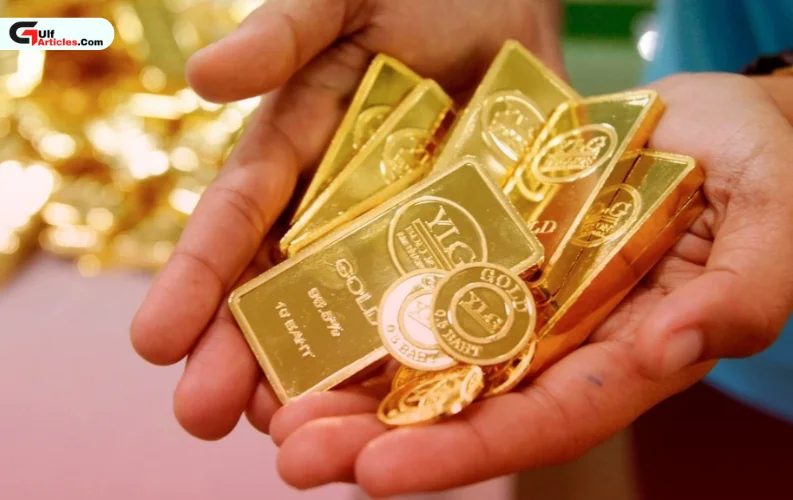
In 2022, he received four one-luong gold bars, a common local unit equivalent to about 1.2 troy ounces each. At the time, the gold was worth roughly $10,000. With gold prices now nearly tripling, Thang estimates he owes more than $29,000.
“The debt must be repaid in gold, not cash,” said the 44-year-old, who earns less than $700 a month working in pharmaceutical marketing. “I truly don’t know when or how I can settle it.”
Gold prices recently crossed $5,000 per ounce on global markets, driving windfalls for many Vietnamese households that store their savings in physical gold. Bars, rings, and jewellery are widely viewed as symbols of security, luck, and protection against inflation.
However, the sharp rise has also fuelled speculation and made traditional practices such as gold loans and wedding gifts increasingly unaffordable. Informal gold borrowing, once common for home construction, has largely disappeared.
“There are probably very few people left who would borrow gold today,” Thang said. “I have a good house, but the debt is overwhelming.”
Despite growing interest in real estate and cryptocurrency, gold remains the preferred savings method for many Vietnamese families. Government auditors estimate households hold around 400 tonnes of gold nationwide.
Seventy-four-year-old Tran Thi Lan, a retired shop owner, has collected gold jewellery and bars for decades. While she has gifted much of it to her children and grandchildren, she keeps some stored away for future needs.
“I have suddenly become very rich,” she said. “My children used to laugh at my habit of saving gold, but now they admit it worked.”
Vietnam does not have a national gold exchange, and individuals cannot trade gold through domestic banks. Instead, gold is bought directly from jewellery shops, often at a premium over global prices. Demand has surged, with buyers queuing daily and shops frequently running out of stock.
Some buyers even pay in advance for gold deliveries scheduled weeks later.
Yet for others, the rising price has turned traditional customs into financial pressure. Wedding gifts, once commonly given in gold, are now seen as a heavy burden.
“Life will be easier without being obsessed with the gold price,” said Tran Tu Linh, a 29-year-old office worker.