
Skip to content

Discover a different perspective

News

Kuwait Fund Inaugurates Solar Power Plant in Türkiye to Support Syrian Refugee Crisis Response

Kuwait Fund Inaugurates Solar Power Plant in Türkiye to Support Syrian Refugee Crisis Response
Share this article
Text size 14px
Comment

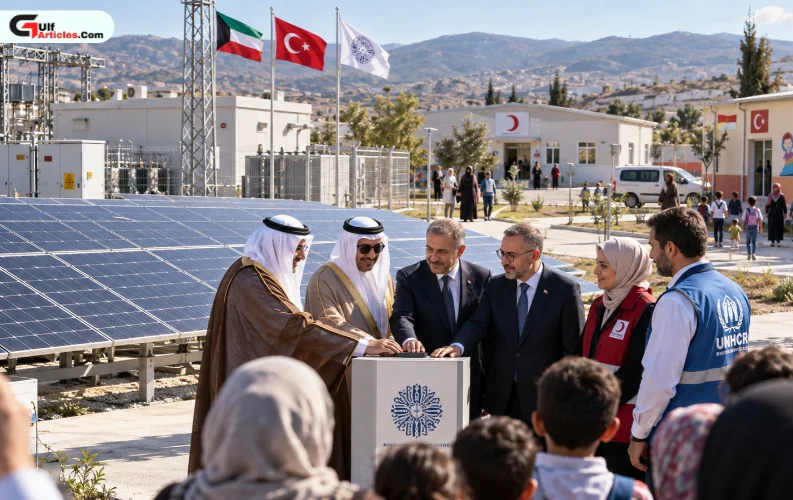
The Kuwait Fund for Arab Economic Development has inaugurated a solar power plant in Türkiye to support humanitarian efforts linked to the Syrian refugee crisis. The project aims to improve access to reliable electricity for communities affected by displacement, helping strengthen essential services and support people facing difficult living conditions.

Solar Project Aims to Strengthen Humanitarian Support

The solar power plant reflects efforts to use renewable energy to support humanitarian operations and improve access to essential services. Reliable electricity is particularly important in areas hosting displaced populations, where healthcare facilities, schools, and other public services face growing demands.

By generating electricity from solar energy, the project can help support local infrastructure while reducing dependence on conventional energy sources. It also highlights the role of international development partnerships in addressing the long-term needs of vulnerable communities.

Supporting Syrian Refugees in Türkiye

Türkiye hosts millions of Syrian refugees who have fled conflict and instability in their home country. Providing access to essential services, including healthcare, education, housing, and electricity, remains an important part of the humanitarian response.

Energy projects can help improve the reliability of services used by both refugees and host communities. A stable electricity supply can support medical facilities, public institutions, and other essential operations, particularly in areas experiencing pressure on existing infrastructure.

Renewable Energy Gains Importance in Humanitarian Efforts

Solar power is increasingly being considered for humanitarian projects because it can provide electricity without relying entirely on conventional fuel supplies. Renewable energy installations may also help reduce operating costs and improve energy security over time.

For development organisations, these projects offer an opportunity to combine immediate humanitarian needs with longer-term sustainability goals. Their effectiveness, however, depends on proper maintenance, reliable equipment, and continued support for local infrastructure.

Long-Term Impact of the Initiative

The inauguration highlights cooperation between Kuwait and Türkiye in supporting communities affected by the Syrian refugee crisis. By investing in renewable energy infrastructure, the initiative aims to contribute to more reliable essential services and strengthen humanitarian support.

The project's long-term benefits will depend on how effectively the electricity generated is used to meet local needs. It also reflects the growing importance of sustainable energy solutions in humanitarian and development programmes.


You may also like that news:-
 

Comments 0

No comments yet. Be the first to share your thoughts.

Leave a comment

Your email is never published. All fields are required.

Related Stories

Continue reading from Gulf Articles

Tristar Group Signs Agreement for Aegis Logistics to Become Majority Shareholder

Tristar Group Signs Agreement for Aegis Logistics to Become Majority Shareholder

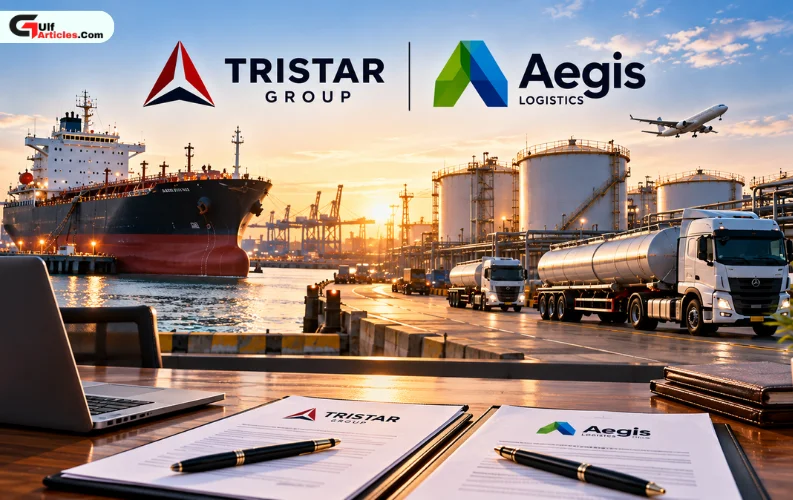
Tristar Group has signed an agreement that will allow Aegis Logistics to become its majority shareholder, marking a significant development in the companies' business relationship. The proposed transaction is expected to strengthen their position in the logistics and energy supply chain sectors, with potential implications for regional operations and future expansion.

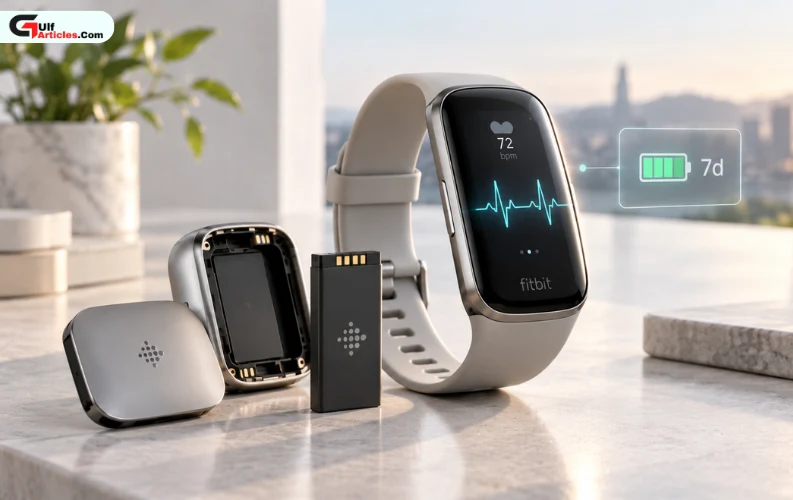
Fitbit Edge Launched with Replaceable Battery, 7-Day Life and ECG for $180

Fitbit Edge Launched with Replaceable Battery, 7-Day Life and ECG for $180

Fitbit has introduced the Fitbit Edge, a wearable device featuring a replaceable battery, up to seven days of battery life, and electrocardiogram (ECG) functionality at a price of $180. The device focuses on practical health tracking and longer-term usability, offering an alternative for consumers who want smartwatch features without frequent charging or the need to replace the entire device when its battery wears out.

UAE Recalls 1,983 Toyota Highlander Vehicles Over Seat Safety Defect

UAE Recalls 1,983 Toyota Highlander Vehicles Over Seat Safety Defect

The United Arab Emirates has announced a recall of 1,983 Toyota Highlander vehicles after identifying a potential defect in the second-row seat mechanisms. The issue could prevent seatbacks from locking securely, increasing the risk of passenger injuries in the event of a collision. The recall was announced by Al-Futtaim Motors in coordination with the UAE's consumer protection authorities.

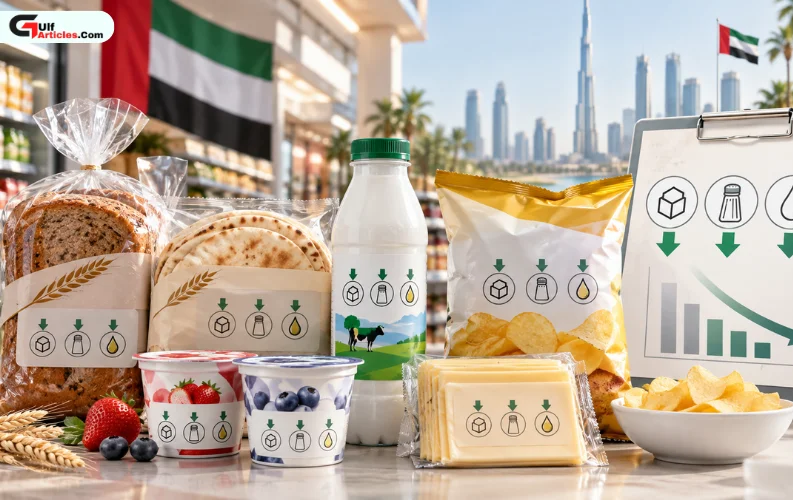
UAE Sets New Sugar, Salt and Fat Limits for Bread, Laban and Chips

UAE Sets New Sugar, Salt and Fat Limits for Bread, Laban and Chips

The United Arab Emirates has started implementing new rules that set limits on sodium, sugar and fat in selected packaged foods, including bread, laban, flavoured yoghurt, chips and processed cheese. The regulations aim to improve the nutritional quality of everyday products and support healthier food choices, while giving manufacturers time to adjust recipes and production processes.

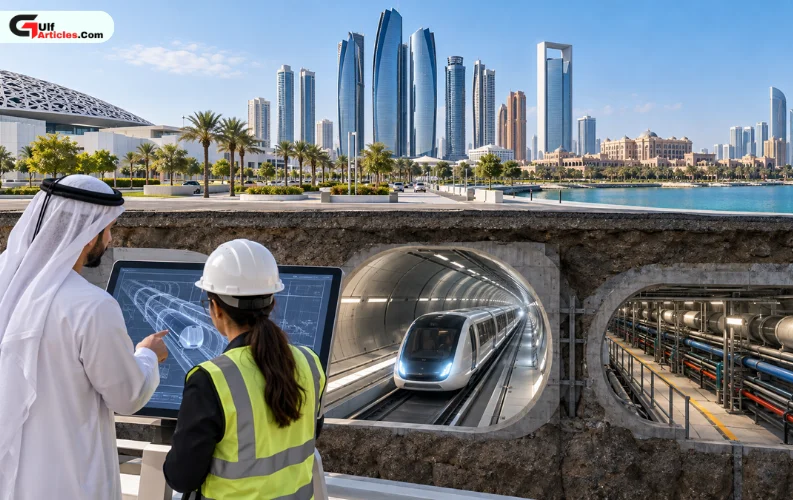
Abu Dhabi Partners With Elon Musk’s Boring Company to Explore Underground Infrastructure

Abu Dhabi Partners With Elon Musk’s Boring Company to Explore Underground Infrastructure

Abu Dhabi has partnered with The Boring Company, the tunnelling and infrastructure technology firm founded by Elon Musk, to explore underground transportation, utility tunnels and other infrastructure solutions across the emirate. The agreement, announced on October 8, 2026, aims to assess how advanced tunnelling technologies could improve connectivity, support urban growth and make more efficient use of available space.