


Air travel between the United Arab Emirates and India is expected to become more expensive as IndiGo, India’s largest airline by market share, announced the introduction of a fuel charge on both domestic and international routes starting March 14. The airline said the additional cost is being implemented due to a sharp surge in jet fuel prices across the region.
In a statement released on Friday, IndiGo confirmed that the fuel charge will apply to all new bookings made from 00:01 hours on March 14. The airline noted that the increase is linked to rising aviation fuel prices, which have surged significantly in recent weeks amid geopolitical tensions in the Middle East.
According to data from the International Air Transport Association’s Jet Fuel Monitor, fuel prices in the region have risen by more than 85 percent. Aviation turbine fuel represents one of the largest operating costs for airlines, and such a steep increase is expected to place substantial financial pressure on carriers operating international and regional routes.
IndiGo said the fuel charge has been introduced as a partial measure to manage the rising operational costs without significantly raising ticket prices. The airline indicated that fully offsetting the increase in fuel prices would require a much larger rise in fares, which could place a heavier burden on passengers.
The carrier also acknowledged that aviation turbine fuel accounts for a major share of airline operating expenses. With the current surge in global oil prices, airlines are facing higher costs for maintaining flight operations and network connectivity.
The airline added that it regrets any inconvenience caused to passengers by the additional charge but emphasized that the decision reflects a sudden shift in the global operating environment. IndiGo said it will continue monitoring fuel price trends and adjust its pricing strategy accordingly if conditions stabilize or worsen.
Under the new pricing structure, passengers will see an additional fuel charge per sector depending on the route. For domestic flights within India, the airline will introduce a charge of ₹425 per sector. The same charge will apply to routes within the Indian subcontinent.
Flights connecting India with the Middle East will carry a fuel charge of ₹900 per sector. For routes to Southeast Asia and China, the additional fee will rise to ₹1,800, while flights to Africa and West Asia will also include a similar charge.
Long-haul flights to Europe will have the highest surcharge, with passengers expected to pay ₹2,300 per sector under the new structure. The airline noted that these figures are based on current exchange rates and may vary depending on currency fluctuations.
The move comes at a time when the aviation sector is facing renewed pressure from rising oil prices and geopolitical instability affecting global supply chains. Airlines across Asia and other regions have begun introducing or increasing fuel surcharges as the cost of jet fuel continues to climb.
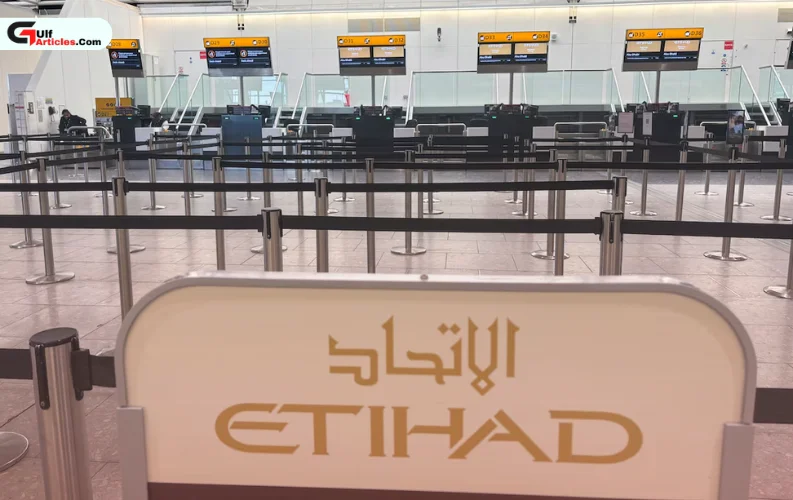
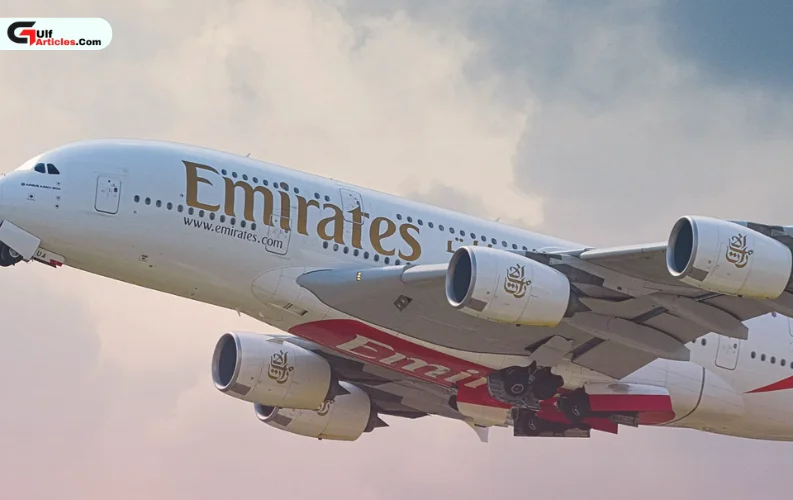
Despite the increase in operational costs, major UAE carriers have so far avoided introducing additional fuel charges for passengers. However, industry analysts suggest that if fuel prices remain elevated for an extended period, airlines across the region may eventually be forced to revise their pricing structures.
IndiGo has also been operating special flights between India and the UAE since late February following regional tensions that have disrupted travel patterns and flight routes. These operations have further increased operational demands for airlines navigating shifting airspace conditions.
Meanwhile, other airlines have already taken similar steps to cope with rising fuel costs. Air India and its subsidiary Air India Express recently introduced phased fuel surcharges on domestic and international flights beginning March 12.
Under Air India’s revised structure, domestic and regional routes will see a surcharge of ₹399. International routes will vary depending on distance, with charges rising to $60 for Southeast Asia and $90 for Africa.
The increases become more pronounced for long-haul flights starting March 18. Passengers flying to Europe will face surcharges of up to $125, while flights to North America and Australia could see additional charges reaching $200.
Hong Kong Airlines has also increased fuel surcharges across several routes, including a 35 percent increase for flights to destinations such as the Maldives, Nepal, and Bangladesh.
Industry experts say rising fuel prices are only one factor influencing airfare increases. Strong travel demand, particularly on international routes, is also contributing to higher ticket prices as airlines adjust their networks and manage capacity.
Some airlines have also rerouted flights to avoid sensitive airspace areas in the Middle East, resulting in longer travel distances and higher fuel consumption. These operational changes have further added to the financial pressure on carriers.
Global oil markets have experienced sharp volatility in recent weeks. Brent crude was trading close to $100 per barrel, while West Texas Intermediate hovered above $93 per barrel. Both benchmarks remain significantly higher than earlier levels, reflecting tightening global supply and ongoing geopolitical developments.
As fuel remains one of the aviation industry’s largest expenses, continued volatility in oil markets could keep upward pressure on ticket prices in the coming months. Travelers flying between the UAE and India may therefore see fares gradually rise as airlines adjust to the evolving cost environment.
For now, IndiGo’s new fuel charge represents one of the first clear pricing adjustments affecting UAE–India routes since the recent surge in jet fuel prices.