

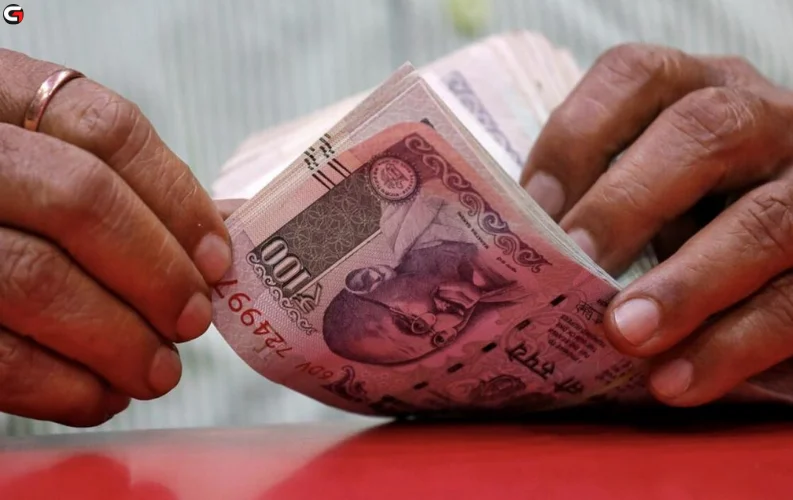
Dubai, UAE – The Indian rupee is projected to experience significant depreciation, potentially falling to 26 against the UAE dirham or 90 against the US dollar, as the Reserve Bank of India (RBI) plans to relax its control over the currency. This policy shift, expected under the leadership of the new RBI Governor Sanjay Malhotra, could prompt a steep drop in the rupee's value, which has already seen record lows in recent weeks.
The change in RBI’s stance is a move away from the previous quasi-peg to the dollar, which had helped stabilize the rupee during periods of volatility. Recent data from Bloomberg showed the rupee touching a low of 23.689 per dirham and 85.97 to the dollar, with further declines anticipated.
Economic Implications of a Weaker Rupee
The potential devaluation of the rupee could pose challenges for India's import-heavy economy, particularly with the current uptrend in oil prices. However, a weaker rupee may benefit India's export sector by making its goods more competitive on the global market, thus potentially boosting the economy in the longer term.
For Indian expatriates, the depreciation could be beneficial as it would increase the value of remittances sent home, providing more rupees for the same amount of dirhams or dollars.
RBI's Balancing Act
Analysts from Gavekal Research, Udith Sikand and Tom Miller, suggest that the rupee could devalue by up to 10% this year. They highlight the challenges the RBI faces in lowering interest rates to spur domestic growth without causing further declines in the rupee's value. According to them, adopting a more flexible exchange rate regime could lead to this necessary adjustment.
Impact on Reserves and Market Stability
The RBI's efforts to manage currency volatility have historically included accumulating substantial foreign-exchange reserves, which reached a high of $704.89 billion in late September 2024. However, with the rupee's rapid depreciation, reserves have dwindled by about $70 billion.
A shift toward a market-driven exchange rate might lead to increased volatility, which could create uncertainties for businesses and investors. While this approach allows for adjustments based on economic fundamentals, it also poses risks to economic stability.
Inflation and Economic Growth Concerns
The depreciation of the rupee could exacerbate inflationary pressures, particularly for imported goods such as crude oil, which would become more expensive. This presents a significant challenge for the RBI as it tries to balance growth stimulation with inflation control.
In summary, while a weaker rupee has mixed implications for the Indian economy, the overall adjustment might align the currency's value more closely with economic fundamentals, potentially fostering long-term stability and growth.
















Comments 0
No comments yet. Be the first to share your thoughts.
Leave a comment
Your email is never published. All fields are required.