

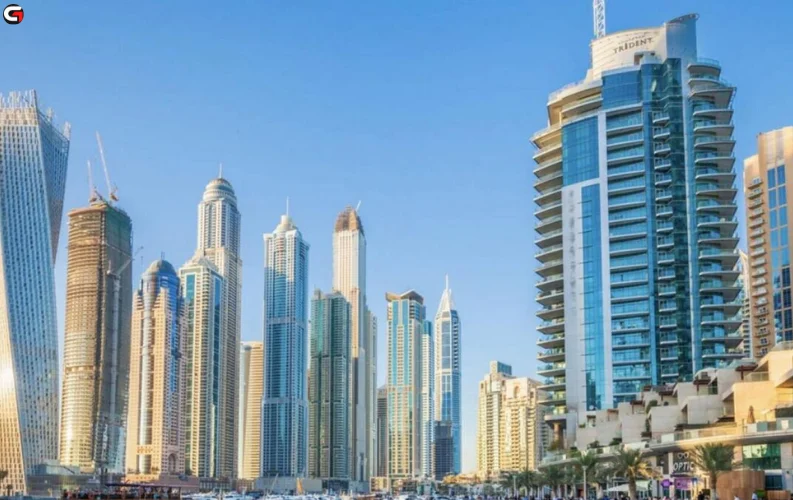
Dubai’s property market witnessed remarkable growth in 2024, with rents soaring across all segments—affordable, mid-tier, and luxury. Driven by a rising population and increased investor interest, the city solidified its status as a global hub for lifestyle and investment.
Key Highlights:
-
Affordable Housing Leads the Way:
- Rent Increases: Rents for affordable apartments rose by up to 48%, particularly for 2-bedroom flats in Deira, and villa rents surged by 44%.
- Popular Areas: Deira, Bur Dubai (apartments), Damac Hills 2, and Mirdif (villas) emerged as top choices due to affordability and connectivity via public transport, including the Dubai Metro.
-
Mid-Tier and Suburban Preferences:
- Rental Growth: Mid-tier apartments saw increases of up to 41%, with popular areas like Jumeirah Village Circle (JVC) and Business Bay. Mid-tier villas rose by up to 45%, especially in suburban communities like Town Square.
- Community Appeal: Self-sustaining communities offering suburban lifestyles gained traction among tenants.
-
Luxury Property Surge:
- Demand and Growth: Upscale villa rents climbed by up to 60%, particularly in Jumeirah for larger properties. Luxury apartment rents increased by 5-25%, with Dubai Marina and Downtown Dubai remaining highly sought-after.
- Top Villa Communities: Dubai Hills Estate and Al Barsha led the luxury villa market.
-
Rising Demand and Future Trends:
Dubai’s expat population is projected to exceed 4 million by 2025, intensifying the demand for housing. The real estate sector is expected to thrive, offering lucrative opportunities for developers and investors alike.
Areas with Highest Rental Yields:
According to Bayut’s data, rental yields (RoI) remained robust across segments:
-
Affordable Apartments:
- Top areas: Dubai Investments Park (DIP), Discovery Gardens, and Liwan.
- Rental yields: 9-11%.
-
Mid-Tier Apartments:
- Communities: Living Legends, Motor City, and Al Furjan.
- Rental yields: Above 8.7%.
-
Luxury Apartments:
- Locations: Al Sufouh, Green Community, and Al Barari.
- Rental yields: Between 7-9%.
-
Affordable Villas:
- Leading areas: Dubai Industrial City, International City, and Damac Hills 2.
- Rental yields: Over 6%.
-
Mid-Tier Villas:
- Communities: JVC, Al Furjan, and Jumeirah Village Triangle.
- Rental yields: Between 6-8%.
-
Luxury Villas:
- Top locations: The Sustainable City, Al Barari, and Tilal Al Ghaf.
- Rental yields: Exceeding 6%.
Key Drivers of Growth:
- Population Growth: A booming expat population continues to drive housing demand.
- Investor Appeal: High rental yields and strategic urban development attract global investors.
- Connectivity: Proximity to public transport and key locations boosts the desirability of affordable and mid-tier communities.
Looking Ahead:
With property prices and rents showing consistent growth, Dubai’s real estate market remains a prime choice for investors and tenants. As the city continues to redefine urban living, opportunities in affordable, mid-tier, and luxury segments are expected to expand further in 2025.










Comments 0
No comments yet. Be the first to share your thoughts.
Leave a comment
Your email is never published. All fields are required.