
Skip to content

Discover a different perspective

News

ISRO Marks 100th Rocket Launch Milestone with GSLV F-15

ISRO Marks 100th Rocket Launch Milestone with GSLV F-15
Share this article
Text size 14px
Comment

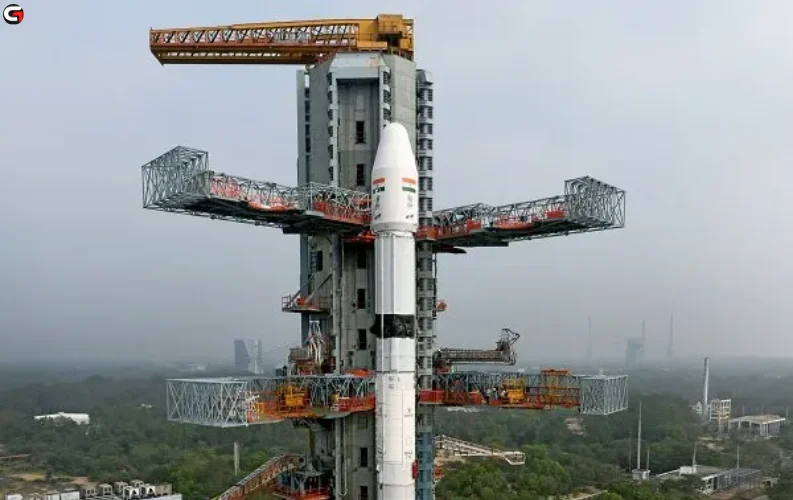
India is gearing up for a major achievement in its space program as the Indian Space Research Organization (ISRO) prepares for its 100th rocket launch on January 29, 2025. This landmark event will take place from the Sriharikota spaceport in Andhra Pradesh, where ISRO has conducted all of its major launches since 1979. The rocket making this historic flight is the Geosynchronous Satellite Launch Vehicle F-15 (GSLV F-15), which will carry the NVS-02 satellite into space. This launch marks a century of rocket launches for India, showcasing ISRO’s growth and technological advances over nearly five decades.

A Troubled History Turned Triumph

The GSLV F-15 rocket, part of ISRO’s Geosynchronous Satellite Launch Vehicle family, has had its share of challenges. Previously referred to as the ‘naughty boy’ of ISRO, it has experienced six failures in 16 launches, resulting in a failure rate of 37%. However, despite these setbacks, it has played a key role in ISRO’s achievements, particularly in the development of cryogenic engines—a technology India had to develop independently after facing obstacles in acquiring it from Russia due to external political pressures.

From SLV to GSLV: ISRO’s Rocket Legacy at Sriharikota

ISRO’s 100th rocket launch will be a testament to India’s space journey, which began on August 10, 1979, with the launch of the Satellite Launch Vehicle (SLV). Almost 46 years later, the GSLV F-15 will be the 100th rocket to lift off from Sriharikota, marking a significant achievement for India’s space exploration and technological advancements.

This launch will also see the placement of the NVS-02 satellite into a Geosynchronous Transfer Orbit. This satellite is a key part of India’s NavIC (Navigation with Indian Constellation) system, which provides precise positioning and timing services for users in India and nearby regions. The development of NavIC was a response to India’s inability to access GPS data during the 1999 Kargil conflict with Pakistan, leading Prime Minister Atal Bihari Vajpayee to vow the creation of a homegrown navigation system.

A Bright Future for ISRO’s Space Mission

With the 100th rocket launch, ISRO is not only celebrating its past achievements but also looking toward an exciting future. The space agency has overcome numerous challenges in the development of its space technology, and the GSLV F-15 launch represents another important step forward. If all goes well, this milestone will be a proud moment for ISRO and the nation as a whole.

Comments 0

No comments yet. Be the first to share your thoughts.

Leave a comment

Your email is never published. All fields are required.

Related Stories

Continue reading from Gulf Articles

UAE Faced Sleeper-Cell Threats During Iranian Missile and Drone Attacks, Says Official

UAE Faced Sleeper-Cell Threats During Iranian Missile and Drone Attacks, Says Official

The United Arab Emirates faced security threats from alleged sleeper cells during Iranian missile and drone attacks earlier in 2026, according to senior Emirati official Ali Rashid Al Nuaimi. He said hundreds of suspected members were arrested over allegations that they helped guide attacks against the country, highlighting the security challenges the UAE faced alongside aerial threats.

Tristar Group Signs Agreement for Aegis Logistics to Become Majority Shareholder

Tristar Group Signs Agreement for Aegis Logistics to Become Majority Shareholder

Tristar Group has signed an agreement that will allow Aegis Logistics to become its majority shareholder, marking a significant development in the companies' business relationship. The proposed transaction is expected to strengthen their position in the logistics and energy supply chain sectors, with potential implications for regional operations and future expansion.

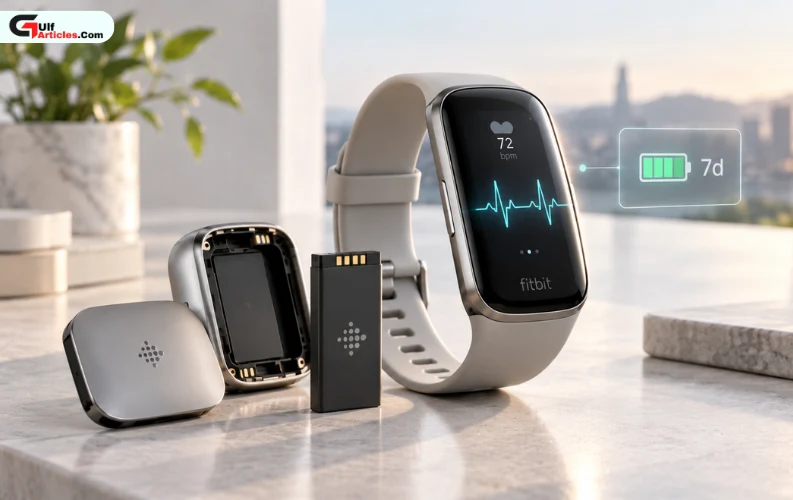
Fitbit Edge Launched with Replaceable Battery, 7-Day Life and ECG for $180

Fitbit Edge Launched with Replaceable Battery, 7-Day Life and ECG for $180

Fitbit has introduced the Fitbit Edge, a wearable device featuring a replaceable battery, up to seven days of battery life, and electrocardiogram (ECG) functionality at a price of $180. The device focuses on practical health tracking and longer-term usability, offering an alternative for consumers who want smartwatch features without frequent charging or the need to replace the entire device when its battery wears out.

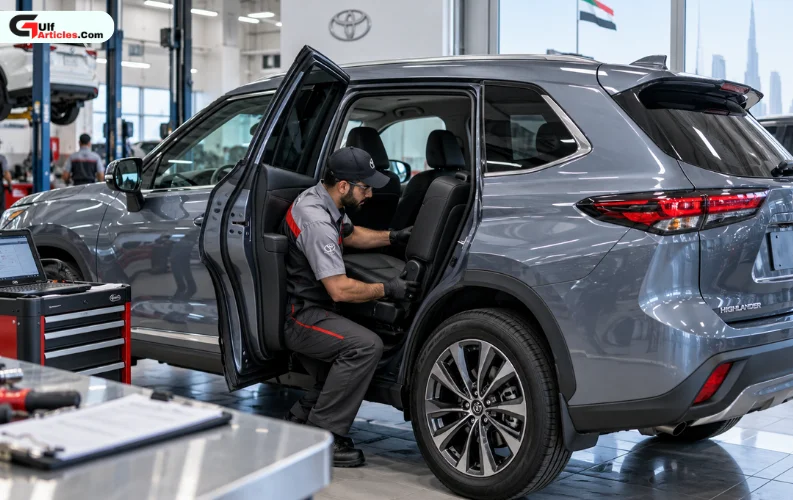
UAE Recalls 1,983 Toyota Highlander Vehicles Over Seat Safety Defect

UAE Recalls 1,983 Toyota Highlander Vehicles Over Seat Safety Defect

The United Arab Emirates has announced a recall of 1,983 Toyota Highlander vehicles after identifying a potential defect in the second-row seat mechanisms. The issue could prevent seatbacks from locking securely, increasing the risk of passenger injuries in the event of a collision. The recall was announced by Al-Futtaim Motors in coordination with the UAE's consumer protection authorities.

UAE Sets New Sugar, Salt and Fat Limits for Bread, Laban and Chips

UAE Sets New Sugar, Salt and Fat Limits for Bread, Laban and Chips

The United Arab Emirates has started implementing new rules that set limits on sodium, sugar and fat in selected packaged foods, including bread, laban, flavoured yoghurt, chips and processed cheese. The regulations aim to improve the nutritional quality of everyday products and support healthier food choices, while giving manufacturers time to adjust recipes and production processes.

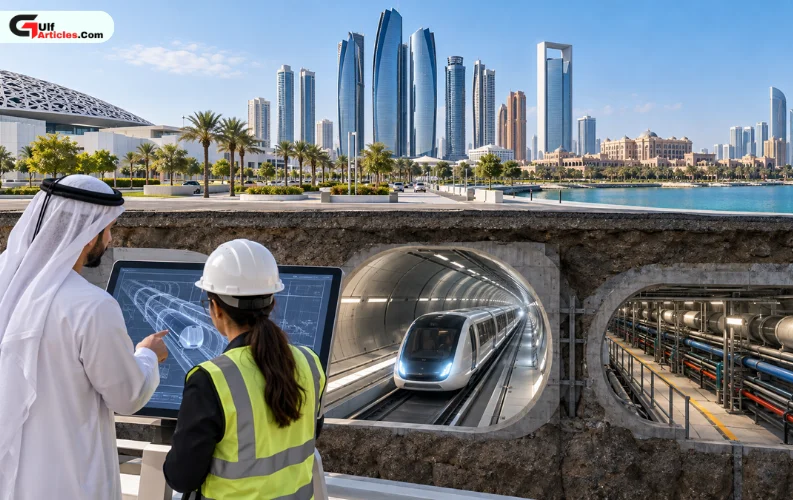
Abu Dhabi Partners With Elon Musk’s Boring Company to Explore Underground Infrastructure

Abu Dhabi Partners With Elon Musk’s Boring Company to Explore Underground Infrastructure

Abu Dhabi has partnered with The Boring Company, the tunnelling and infrastructure technology firm founded by Elon Musk, to explore underground transportation, utility tunnels and other infrastructure solutions across the emirate. The agreement, announced on October 8, 2026, aims to assess how advanced tunnelling technologies could improve connectivity, support urban growth and make more efficient use of available space.