

Airfares across global markets are expected to remain elevated as the ongoing conflict involving Iran continues to disrupt aviation routes and drive up fuel costs, placing sustained pressure on airline operations and ticket pricing. What began as a geopolitical crisis impacting energy markets has now translated into tangible consequences for the aviation industry, with airlines worldwide grappling with rising expenses and operational challenges.
Fuel Prices Surge, Airlines Feel the Pressure
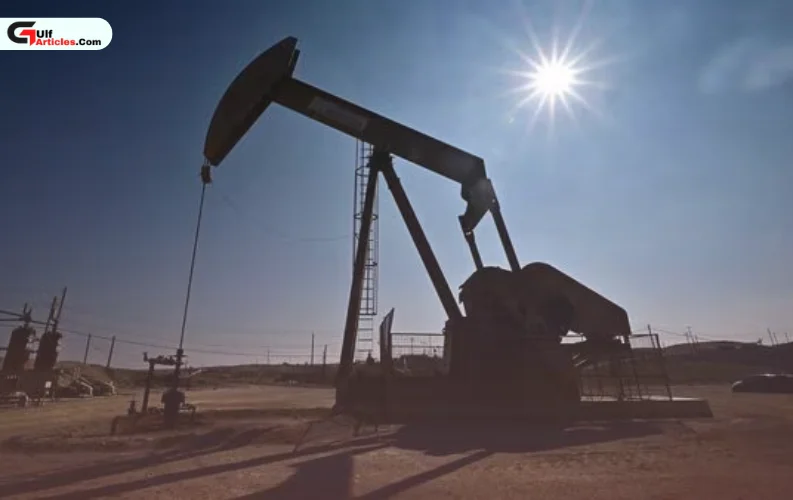
Jet fuel prices have risen sharply in recent weeks, becoming a key driver behind increasing airfares. Industry data indicates that fuel costs have climbed from approximately $85–90 per barrel before the conflict to as high as $150–200, significantly impacting airline margins.
While crude oil prices have shown some volatility — including a temporary decline following a pause in planned US strikes — they remain substantially higher than pre-conflict levels. Since late February, Brent crude has increased by around 43%, while WTI crude is up roughly 36%, underscoring the sustained cost pressure.
Notably, jet fuel prices have outpaced crude oil gains, with some markets reporting a doubling in fuel costs within a short period. This widening gap is forcing airlines to reassess pricing strategies and operational efficiency.
Airlines Pass Costs to Passengers
Major global carriers have already begun adjusting fares and flight schedules in response to rising fuel expenses. Airlines across the United States, Europe, and Asia are increasing ticket prices while also trimming capacity on less profitable routes.
Executives across the aviation sector have acknowledged that fare increases are becoming unavoidable under current conditions. At the same time, strong travel demand is enabling airlines to pass on higher costs without significantly dampening bookings.
Recent industry data suggests that ticket prices on some routes have already increased by 15% to 20%, reflecting the immediate impact of fuel cost escalation.
Flight Disruptions Add to Pricing Pressure
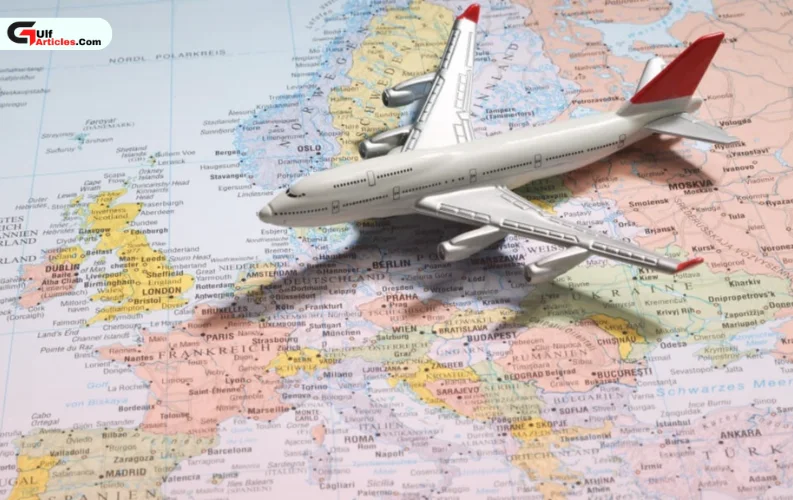
Beyond fuel costs, operational disruptions are further tightening supply. Airspace restrictions across parts of the Middle East have forced airlines to reroute flights, often adding hours to travel time and increasing fuel consumption.
These extended routes reduce aircraft availability and efficiency, limiting the number of flights airlines can operate. As a result, fewer seats are available across key international corridors, particularly those connecting Asia, Europe, and North America.
Several airlines have already taken corrective measures. Carriers have suspended routes, reduced flight frequencies, and adjusted network planning to manage rising costs and uncertainty.
Global Network Strain Intensifies
The ripple effects of the conflict are being felt across the global aviation network. Routes that traditionally pass through Middle Eastern airspace are facing the greatest disruption, leading to higher fares and reduced availability.
Even alternative routes are experiencing price increases as demand shifts, creating a broader supply-demand imbalance across international travel markets.
Industry analysts warn that prolonged disruption could lead to deeper structural challenges, including grounded aircraft and further capacity reductions.
Uncertain Outlook for Travelers
Energy analysts caution that oil prices may remain elevated if geopolitical tensions persist, adding continued uncertainty to airline cost structures. This makes it difficult for carriers to forecast pricing trends or stabilize fares in the near term.
For travelers, the impact is already visible. Ticket prices are rising, flight options are narrowing, and travel times are becoming less predictable due to rerouting.
Experts also advise travelers to reconsider booking strategies in a volatile pricing environment. Flexible ticket options, though often more expensive upfront, may offer better value by allowing changes or credits if fares fluctuate after booking.
A Volatile Phase for Global Aviation
As long as fuel costs remain high and operational disruptions continue, airfare volatility is expected to persist. The aviation industry is entering a phase where pricing, capacity, and route planning are increasingly influenced by geopolitical developments.
For now, global travel costs are likely to stay elevated — reflecting the growing intersection between energy markets, geopolitics, and the aviation sector.