
Skip to content

Discover a different perspective

News

Dubai air taxis to launch in 2026, self-driving taxis to follow

Dubai air taxis to launch in 2026, self-driving taxis to follow
Share this article
Text size 14px
Comment

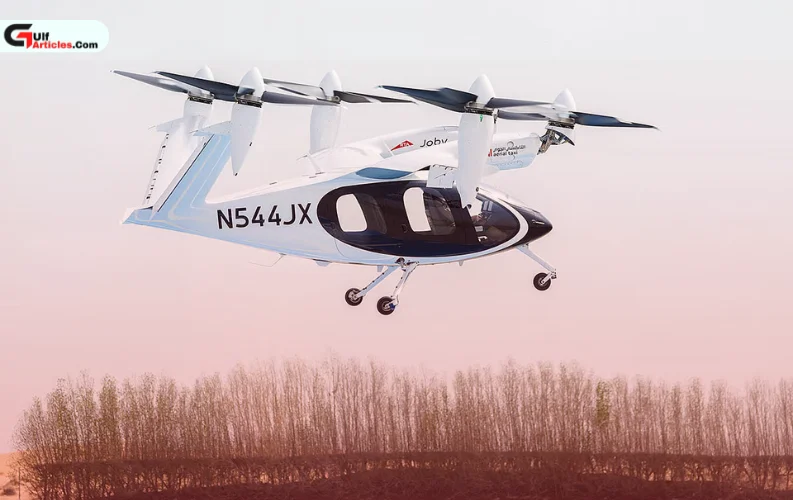
Dubai will begin commercial air taxi operations in 2026 and roll out self-driving taxis shortly thereafter, marking a major step in the emirate’s push to transform urban mobility, according to the head of the Roads and Transport Authority (RTA).

Speaking at the World Governments Summit, Mattar Al Tayer, Director General and Chairman of the Board of Executive Directors of RTA, said Dubai is rapidly moving from planning to execution on future transport projects.

“Dubai is taking a serious approach to future projects. We do what we say, and we say what we do,” Al Tayer told delegates.

Air taxi services set for commercial debut

Al Tayer confirmed that infrastructure for Dubai’s air taxi programme, developed in partnership with Skyports and international aviation partners, will be ready for commercial operations in 2026. The service is expected to offer faster travel times across the city while easing pressure on road networks.

He said the project has been refined through consultations with global experts and discussions at international platforms, including the World Governments Summit, and is now entering the deployment phase.

Self-driving taxis to begin in early 2026

Dubai will also start operating self-driving taxis in the first quarter of 2026. Al Tayer said the initiative progressed from concept to execution in just 10 months following high-level coordination led by Sheikh Hamdan bin Mohammed bin Rashid Al Maktoum.

A dedicated command and control centre has already been established and integrated with Dubai’s intelligent transport systems and telecommunications networks, enabling real-time traffic management and operational oversight.

Tackling the ‘first and last mile’

RTA is also addressing the “first and last mile” challenge by testing autonomous vehicles in selected zones. Al Tayer said the authority is working with global technology firms, including Baidu, to pilot self-driving solutions before wider deployment.

“These projects allow people to experience new technologies in real operating environments and help us convert innovation into practical services,” he said.

Infrastructure as economic backbone

Al Tayer stressed that investment in transport infrastructure is central to Dubai’s economic growth and competitiveness.

“Infrastructure is the backbone of any economy. Without it, you cannot attract businesses or build strong companies,” he said, adding that Dubai’s strategy is to translate ideas discussed at global forums into real, on-the-ground projects.


Comments 0

No comments yet. Be the first to share your thoughts.

Leave a comment

Your email is never published. All fields are required.

Related Stories

Continue reading from Gulf Articles

Tristar Group Signs Agreement for Aegis Logistics to Become Majority Shareholder

Tristar Group Signs Agreement for Aegis Logistics to Become Majority Shareholder

Tristar Group has signed an agreement that will allow Aegis Logistics to become its majority shareholder, marking a significant development in the companies' business relationship. The proposed transaction is expected to strengthen their position in the logistics and energy supply chain sectors, with potential implications for regional operations and future expansion.

Fitbit Edge Launched with Replaceable Battery, 7-Day Life and ECG for $180

Fitbit Edge Launched with Replaceable Battery, 7-Day Life and ECG for $180

Fitbit has introduced the Fitbit Edge, a wearable device featuring a replaceable battery, up to seven days of battery life, and electrocardiogram (ECG) functionality at a price of $180. The device focuses on practical health tracking and longer-term usability, offering an alternative for consumers who want smartwatch features without frequent charging or the need to replace the entire device when its battery wears out.

UAE Recalls 1,983 Toyota Highlander Vehicles Over Seat Safety Defect

UAE Recalls 1,983 Toyota Highlander Vehicles Over Seat Safety Defect

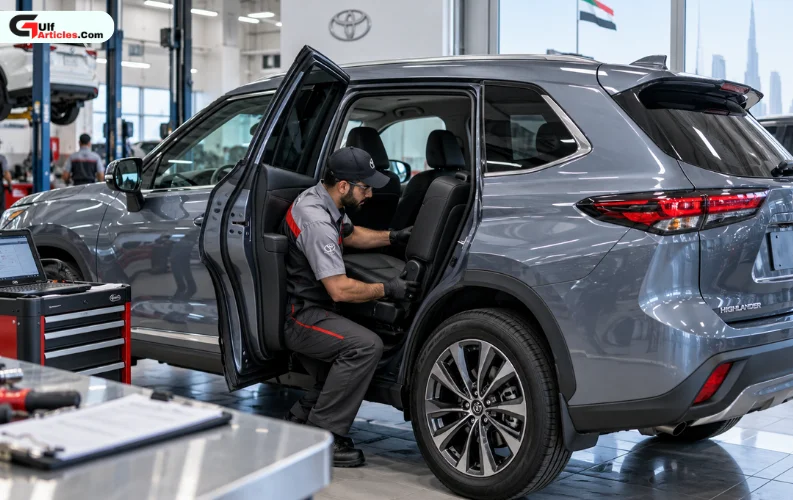
The United Arab Emirates has announced a recall of 1,983 Toyota Highlander vehicles after identifying a potential defect in the second-row seat mechanisms. The issue could prevent seatbacks from locking securely, increasing the risk of passenger injuries in the event of a collision. The recall was announced by Al-Futtaim Motors in coordination with the UAE's consumer protection authorities.

UAE Sets New Sugar, Salt and Fat Limits for Bread, Laban and Chips

UAE Sets New Sugar, Salt and Fat Limits for Bread, Laban and Chips

The United Arab Emirates has started implementing new rules that set limits on sodium, sugar and fat in selected packaged foods, including bread, laban, flavoured yoghurt, chips and processed cheese. The regulations aim to improve the nutritional quality of everyday products and support healthier food choices, while giving manufacturers time to adjust recipes and production processes.

Abu Dhabi Partners With Elon Musk’s Boring Company to Explore Underground Infrastructure

Abu Dhabi Partners With Elon Musk’s Boring Company to Explore Underground Infrastructure

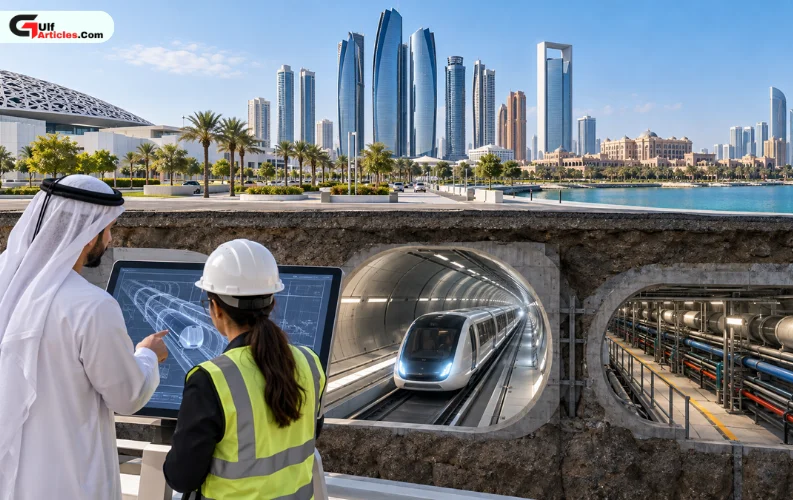
Abu Dhabi has partnered with The Boring Company, the tunnelling and infrastructure technology firm founded by Elon Musk, to explore underground transportation, utility tunnels and other infrastructure solutions across the emirate. The agreement, announced on October 8, 2026, aims to assess how advanced tunnelling technologies could improve connectivity, support urban growth and make more efficient use of available space.