

Global oil prices climbed above $100 per barrel on Thursday as renewed attacks linked to Iran raised concerns about disruptions to energy supplies in the Middle East, overshadowing a record oil reserve release by the International Energy Agency (IEA).
The surge came as the conflict involving the United States, Israel and Iran entered its third week, with continued retaliatory strikes across the Gulf region.
The IEA announced on Wednesday that its member countries had agreed to release 400 million barrels of crude oil from strategic reserves, the largest coordinated release in the agency’s history. The United States is expected to contribute 172 million barrels from its reserves.
Despite the move, markets remained concerned about disruptions in the Strait of Hormuz, one of the world’s most important oil shipping routes. The waterway carries about 20% of global crude oil supplies, and shipping activity has been severely affected by the conflict.
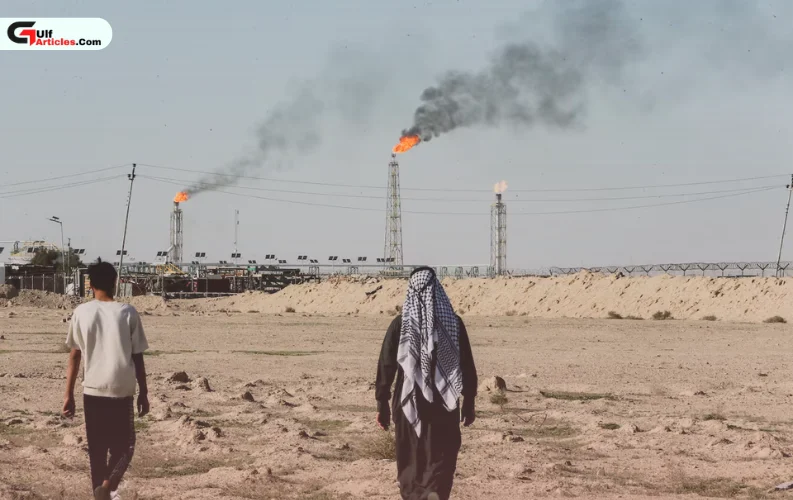
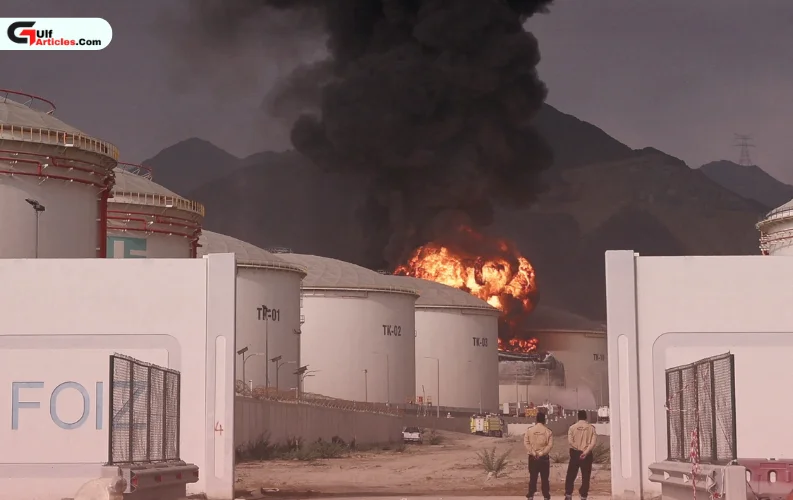
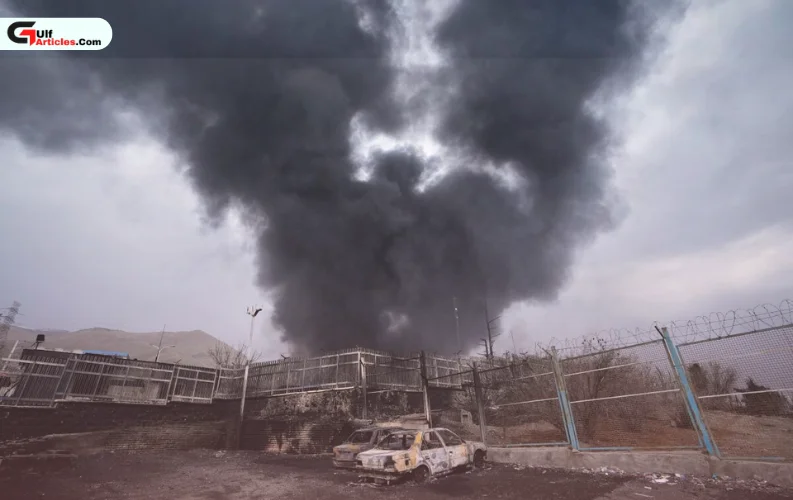
Reports said two oil tankers in Iraqi waters were struck on Thursday, while Bahrain accused Iran of attacking fuel storage facilities in the country. Saudi Arabia also reported intercepting drones targeting the Shaybah oil field.
The escalating tensions pushed both major oil benchmarks sharply higher. Brent crude rose more than 9% to reach $101.59 per barrel, while U.S. West Texas Intermediate (WTI) climbed to around $94.72 per barrel.
Oil prices had already surged earlier this week, briefly approaching $120 per barrel, amid fears that the conflict could severely disrupt global energy supplies.
Analysts warn that if the crisis continues and shipping through the Strait of Hormuz remains restricted, oil prices between $90 and $100 per barrel could become the new normal for global markets.
The rising cost of energy is also raising concerns about the global economy. Higher fuel prices are expected to push inflation higher and could force central banks to reconsider planned interest rate cuts.
Financial markets reacted negatively to the developments. Major stock markets across Asia-Pacific fell on Thursday, including Tokyo, Hong Kong, Shanghai, Sydney, Seoul and Singapore.
Airlines have also begun adjusting operations as fuel costs rise and airspace risks increase. Air New Zealand announced plans to cancel around 1,100 flights over the next two months due to the impact of higher fuel costs and regional instability.
Market analysts say releasing oil reserves can provide temporary relief but may not solve supply concerns if shipping routes remain threatened.
Energy markets are closely watching the situation as further disruptions in the Middle East could significantly affect global oil supply and economic stability.