
Global oil markets experienced a sharp downturn on Tuesday as major crude benchmarks recorded significant declines following a period of extreme volatility driven by geopolitical tensions in the Middle East.
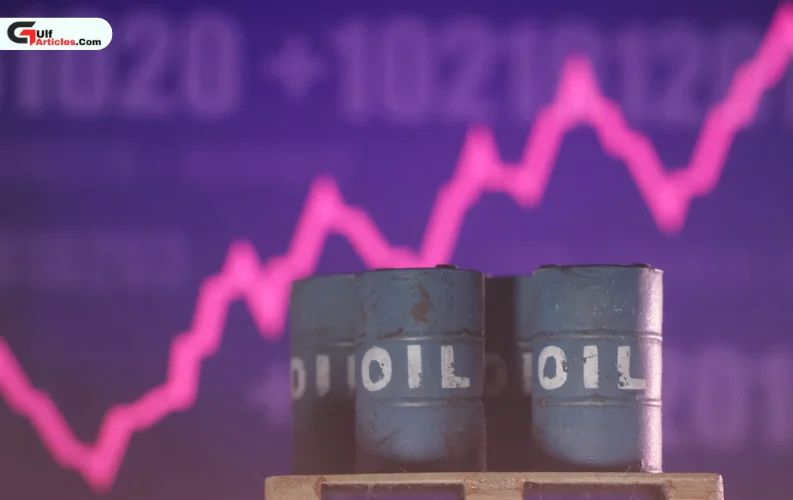
West Texas Intermediate (WTI), the key U.S. crude benchmark, dropped more than 10 percent to around $85 per barrel during early trading hours in Asia. Brent crude, the international benchmark, also fell sharply to approximately $88 per barrel, reflecting a steep pullback after prices had briefly surged above $100 per barrel earlier in the week.
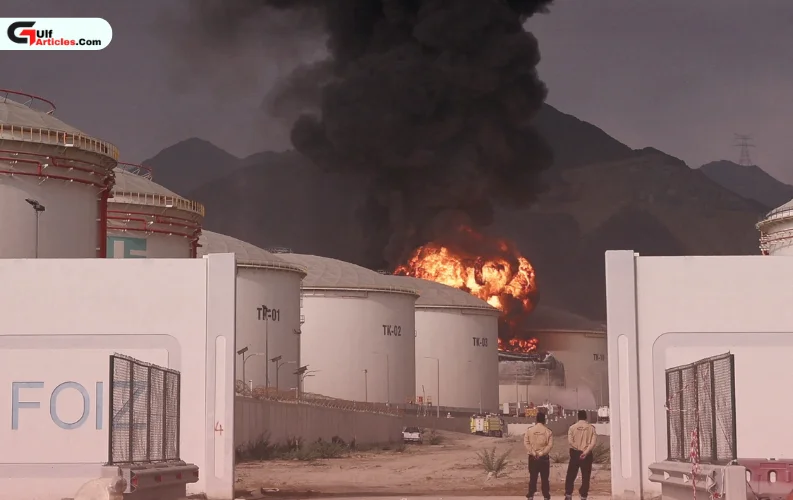
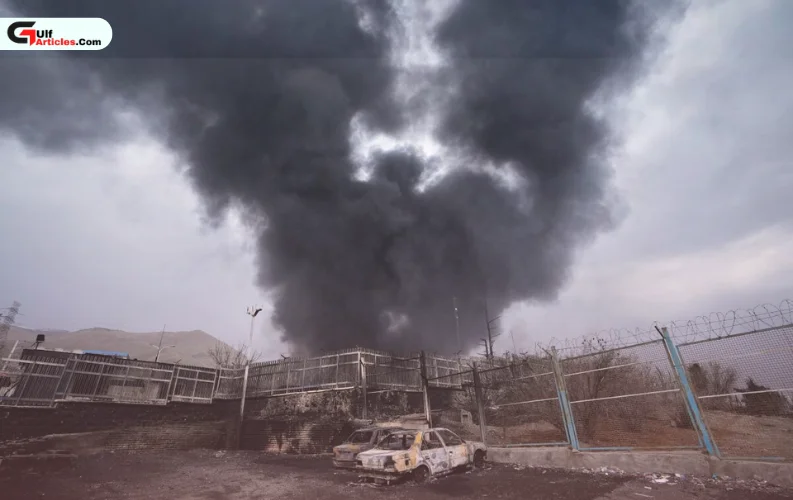
The sudden drop comes after oil markets reacted to escalating tensions involving the United States, Israel, and Iran, which initially sparked fears of supply disruptions across the Middle East. Concerns about possible threats to oil shipments through the Strait of Hormuz, one of the world’s most critical energy shipping routes, pushed crude prices sharply higher at the start of the week.
At one point during Monday’s trading, WTI reached nearly $119.48 per barrel, while Brent climbed to about $119.50, as traders reacted to the possibility of disruptions in global oil supply.
However, prices quickly reversed course after reports suggested that G7 nations and the United States are considering a large-scale release of oil from strategic reserves to stabilize global markets. The proposed move could involve the release of up to 400 million barrels from Strategic Petroleum Reserves (SPR).
Energy analysts say such a release would significantly increase short-term supply in global markets, helping to ease fears of shortages caused by geopolitical tensions.
The decline in WTI was particularly pronounced due to its connection to U.S. domestic supply dynamics. WTI prices are closely tied to oil inventories stored in Cushing, Oklahoma, a key hub for crude oil trading and storage in the United States.
If a large release from U.S. strategic reserves occurs, it would directly increase domestic supply levels, placing downward pressure on WTI prices. This explains why the U.S. benchmark experienced a steeper drop compared to other crude varieties.
Meanwhile, Murban crude, a benchmark from the United Arab Emirates, showed a contrasting trend and traded higher at around $110 per barrel, highlighting the uneven impact of geopolitical developments across different oil markets.
Analysts note that the discrepancy in price movements reflects the complex and rapidly changing nature of global energy markets during periods of political tension.
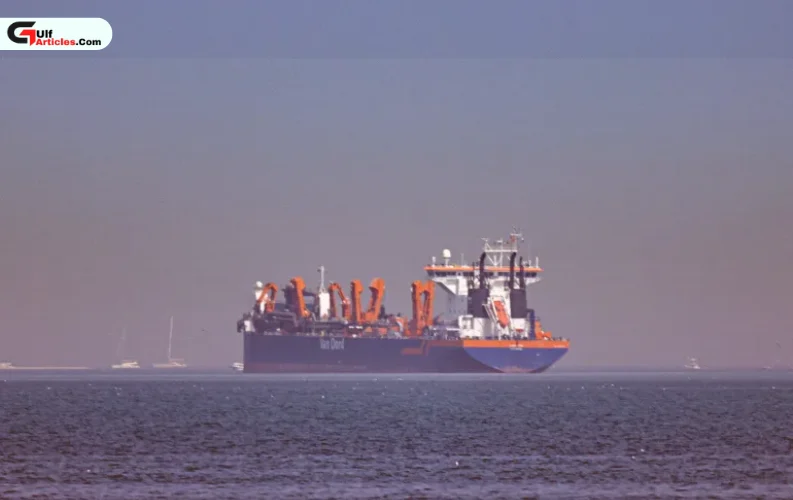
The Strait of Hormuz remains a major concern for energy markets. The narrow waterway, located between Iran and Oman, is responsible for transporting roughly one-fifth of the world’s total oil supply. Any disruption to tanker traffic through the strait can trigger immediate reactions in global energy prices.
While markets initially reacted with a surge in oil prices due to fears of supply disruption, the possibility of coordinated international action to release oil reserves has helped calm some of those concerns.
Energy traders continue to monitor developments in the Middle East closely, as further escalation could once again tighten supply expectations and trigger renewed price volatility.
Market analysts say the current fluctuations highlight the fragile balance between geopolitical risks and government intervention in stabilizing global energy markets.
For now, oil prices remain highly sensitive to both political developments and potential policy responses from major energy-consuming nations.