

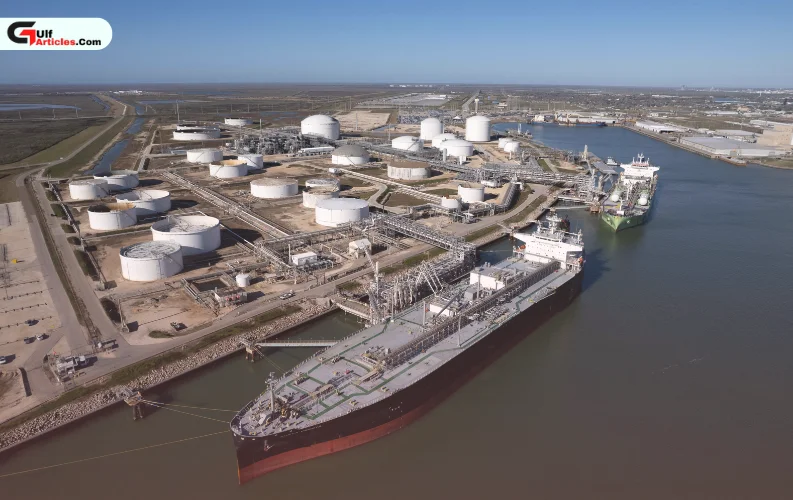
Global oil markets are increasingly focused on a single critical risk factor: whether Iran’s Kharg Island export infrastructure becomes a direct target amid escalating geopolitical tensions. Kharg Island, Iran’s primary crude export terminal, handles the majority of the country’s oil shipments. Analysts warn that any disruption at this key supply node could shift markets from pricing uncertainty to pricing an immediate and significant loss of supply.
Market reactions have remained volatile, driven largely by conflicting signals around diplomacy and escalation in the Middle East. Oil prices have fluctuated sharply in response to headlines, reflecting uncertainty rather than confirmed supply disruptions.
The situation has been further complicated by reduced tanker movement through the Strait of Hormuz, a crucial transit route for global oil flows. While disruptions in the strait primarily delay shipments, a strike on Kharg Island would directly impact supply entering global markets.
Analysts note that such an event would trigger an immediate spike in prices as traders move to price in worst-case scenarios. However, the duration of any disruption would ultimately determine whether price increases are temporary or sustained.
Short-term outages could lead to sharp but brief price surges, while prolonged disruptions may tighten global supply balances significantly, potentially pushing prices toward the $200 per barrel mark.
Despite ongoing risks, current market behavior suggests that traders are still pricing in uncertainty rather than a confirmed supply shock. Oil prices continue to reflect a geopolitical risk premium, with future movements heavily dependent on developments surrounding Iran’s export infrastructure.