
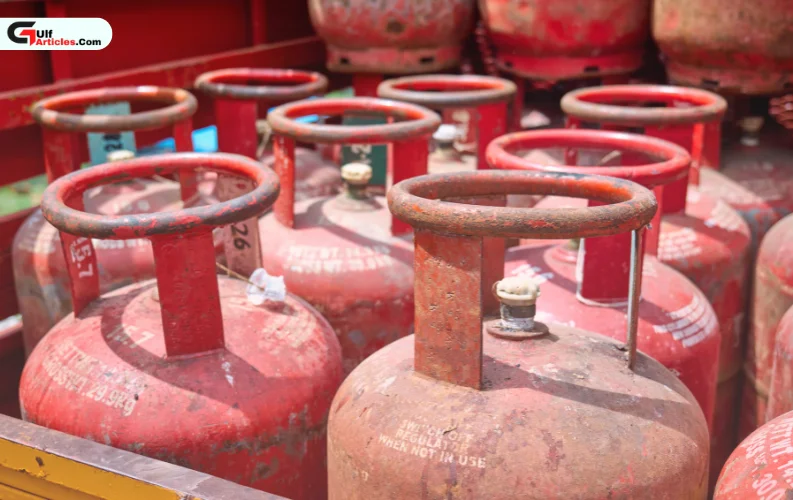
Several parts of India are experiencing a shortage of cooking gas cylinders after rising tensions in the Gulf disrupted LPG shipments passing through the Strait of Hormuz, a major global energy shipping route.
Reports from multiple cities show households, hostels and eateries adjusting daily cooking routines as deliveries slow and fuel supplies tighten.
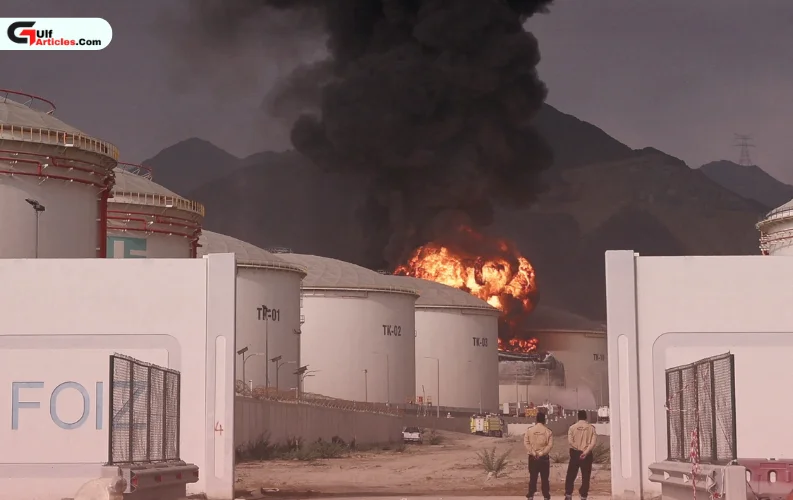
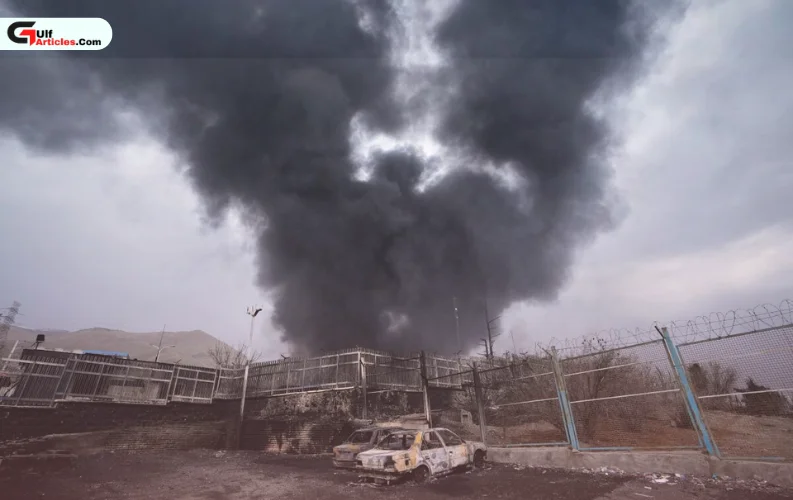
India imports about 60% of its LPG requirements, making domestic supply vulnerable to global shipping disruptions. The ongoing conflict in the Gulf has slowed tanker movement in the Strait of Hormuz, through which a large share of India’s LPG imports pass.
Households Cutting Fuel-Heavy Cooking
In many homes and kitchens, families are switching to meals that require less cooking time and lower flame to conserve gas. Some households are replacing multi-dish meals with simpler food such as rice and lentils, while fried snacks and long-cooking dishes are being avoided.
In workplaces and hostels, hot drinks like tea and coffee are being replaced with lemon water or buttermilk to reduce LPG use.
Hostels and Canteens Ration Fuel
Student hostels and paying-guest accommodations are among the most affected. Many facilities keep only a small stock of cylinders and are now rationing cooking fuel.
In Bengaluru, hostel operators say several kitchens have only four to five days of LPG stock remaining, forcing cooks to simplify meals and reduce cooking frequency.
Factory cafeterias are also modifying menus. In one industrial canteen in Gujarat, fried foods and soups have been removed, while lighter items such as boiled meals and buttermilk are being served instead.
Restaurants and Street Vendors Under Pressure
Hotels, restaurants and street food vendors are facing greater pressure as they rely heavily on commercial LPG cylinders.
Industry groups report shortages in cities including Mumbai, Pune, Aurangabad and Nagpur, with similar disruptions reported in Delhi, Karnataka, Telangana and Andhra Pradesh.
Restaurant associations warn that if supplies do not improve soon, many small eateries could temporarily shut down, especially those that operate with only one or two cylinders.
In some areas of New Delhi, roadside stalls have already limited their menus to basic dishes such as rice and lentils.
Government Introduces Emergency Measures
To manage the supply shortage, the Indian government has introduced temporary fuel allocation measures.
Under the revised system:
-
Households and vehicle fuel (CNG): 100% supply
-
Fertiliser plants: about 70% supply
-
Manufacturing industries: about 80% supply
-
Small commercial users: about 80% supply
These steps aim to prioritise cooking fuel for households and essential services.
The Ministry of Petroleum and Natural Gas has also instructed domestic refineries to increase LPG production to help ease the shortage.
Prices Rise as Supplies Tighten
The supply disruption has also pushed up LPG prices. In Delhi, the cost of a domestic cylinder has increased to ₹913, about ₹60 higher than previous levels.
Officials say additional LPG shipments are already heading toward India, including two cargo tankers currently en route.
Authorities have urged consumers not to panic buy cylinders, saying supply conditions are expected to improve once new shipments arrive.
For now, however, the effects of the Gulf conflict are being felt directly in Indian kitchens, as millions of households adjust their cooking habits amid tightening LPG supplies.