


Dubai, UAE – Petrol prices in the UAE are expected to increase in February 2025, following a rise in global oil prices. Brent crude oil prices surged above $81 a barrel in January due to various global factors, including uncertainties around US sanctions on Russian oil exports and tariffs. As a result, the UAE will likely adjust its petrol prices to align with these global market trends.
Impact of Global Oil Price Surge
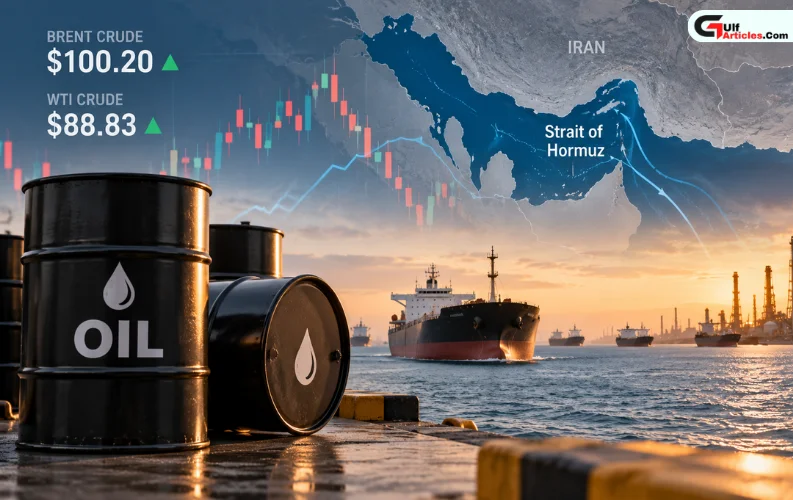
In January 2025, Brent oil prices averaged $77.55 a barrel, up from $73 a barrel in December 2024. This increase in oil prices was driven by sanctions imposed by the United States on Russian oil producers and the shipping of crude, which has disrupted Russian oil exports to major buyers like China and India. These sanctions are expected to affect the global supply of oil, pushing up prices as countries such as China and India turn to the Middle East, Africa, and the Americas for crude oil, driving up both prices and shipping costs.
As a result, petrol prices in the UAE are expected to rise accordingly. Currently, petrol prices in the UAE stand at:
- Super 98: Dh2.61 per litre
- Special 95: Dh2.50 per litre
- E-Plus 91: Dh2.43 per litre
- Diesel: Dh2.68 per litre
These prices have remained unchanged since December 2024, which saw the lowest petrol prices in the past year. However, with the expected rise in global oil prices, the petrol prices in the UAE are likely to increase in February 2025.
Petrol Price Regulation in the UAE
The UAE has deregulated petrol prices since 2015, meaning the retail petrol prices are adjusted every month to reflect global oil price changes. These price adjustments are announced at the end of each month to keep them in line with the global market. With the rise in global oil prices, the UAE's petrol rates are expected to rise as well.
Vijay Valecha, Chief Investment Officer at Century Financial, mentioned that the increase in oil prices is a result of US sanctions on Russian oil and the resulting disruption of Russian oil exports. This will lead to higher demand for oil from other regions, including the Middle East, which will likely push prices further up.
A Look Back at Petrol Price Trends
The petrol prices in the UAE have varied throughout 2024. In January 2024, the price of Super 98 was Dh2.82, Special 95 was Dh2.71, and E-Plus 91 was Dh2.64 per litre. By December 2024, these prices had dropped to Dh2.61 for Super 98, Dh2.50 for Special 95, and Dh2.43 for E-Plus 91, marking the lowest petrol prices of the year. The upcoming price increase in February 2025 would break the trend of stable or decreasing prices seen in recent months.
Conclusion
As global oil prices continue to rise due to various geopolitical factors, petrol prices in the UAE are expected to follow suit and increase in February 2025. Motorists should stay informed about the upcoming price changes and plan their travel costs accordingly. The UAE’s deregulated petrol pricing system means that prices will fluctuate in line with global trends, which could result in higher petrol prices in the coming month.











Comments 0
No comments yet. Be the first to share your thoughts.
Leave a comment
Your email is never published. All fields are required.