
Skip to content

Discover a different perspective

News

Dubai's New Salik Toll Gates: How Traffic Patterns on Key Roads Have Changed

Dubai's New Salik Toll Gates: How Traffic Patterns on Key Roads Have Changed
Share this article
Text size 14px
Comment

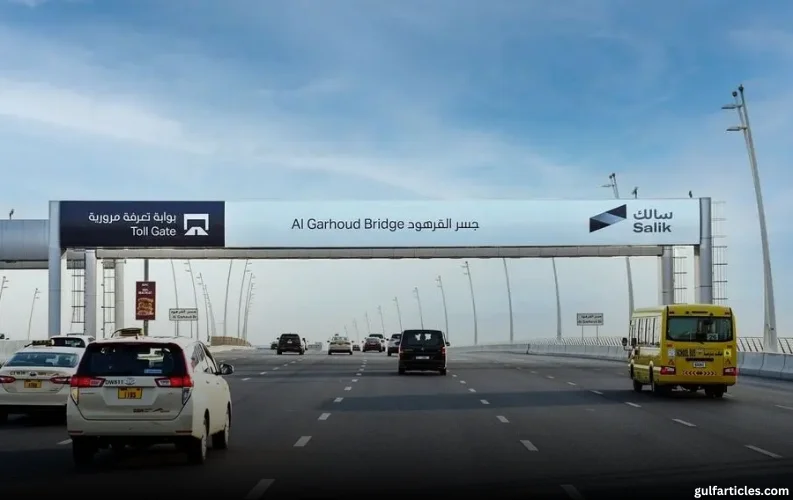
The introduction of more toll gates and dynamic pricing in Dubai has started to reshape the city's traffic flow, but experts say its full impact may take years to be felt.

According to Dr. Khaled Alawadi, associate professor of Sustainable Urbanism at Khalifa University, while there is a clear link between more toll gates, better air quality, and fewer accidents, the tolls' effectiveness in reducing traffic congestion depends heavily on providing good alternatives for commuters, such as expanded mass transport systems. He predicts that the effects of these changes will take between one and two decades to be fully realized.

Since the introduction of dynamic pricing on January 31, 2025, Salik's toll system has been charging Dh6 during peak hours (morning and evening) and Dh4 during off-peak times on weekdays. The new system offers free travel between 1am and 6am, and on Sundays (excluding public holidays and special occasions), the toll is Dh4 all day. Many commuters have already adjusted to these changes, with some like Mohammed Iqbal, benefiting from the lower toll costs before 6am, while others, like Sanjana K.A., have found the roads smoother during off-peak times despite higher tolls.

However, not everyone is pleased with the changes. In some communities, such as Dubai Creek Harbor, residents have noticed an uptick in traffic as commuters seek to avoid toll gates, particularly on the Business Bay Bridge. Some areas, like Jumeirah, also saw significant congestion on the first day of the new pricing, although it has since settled down.

The Roads and Transport Authority (RTA) added two new toll gates in November 2024, bringing the total to 10, with the aim of redistributing traffic and encouraging the use of public transport. Alternative routes such as Sheikh Mohammed bin Zayed Road and Ras Al Khor Street are being promoted, alongside other Creek crossings like the Infinity Bridge and Al Shindagha Tunnel.

While Dr. Khaled commended Dubai's public transport system, he emphasized the need for further efforts to reduce reliance on private vehicles. He cited studies showing that 78% of Dubai’s population is serviced by public transport, but noted that many people still opt for private cars due to lifestyle choices, such as chain trips for work, school, and errands. Improving the availability of public transport within walking distance of residents, particularly in congested areas, could encourage more people to use the metro and buses.
Comments 0

No comments yet. Be the first to share your thoughts.

Leave a comment

Your email is never published. All fields are required.

Related Stories

Continue reading from Gulf Articles

UAE Faced Sleeper-Cell Threats During Iranian Missile and Drone Attacks, Says Official

UAE Faced Sleeper-Cell Threats During Iranian Missile and Drone Attacks, Says Official

The United Arab Emirates faced security threats from alleged sleeper cells during Iranian missile and drone attacks earlier in 2026, according to senior Emirati official Ali Rashid Al Nuaimi. He said hundreds of suspected members were arrested over allegations that they helped guide attacks against the country, highlighting the security challenges the UAE faced alongside aerial threats.

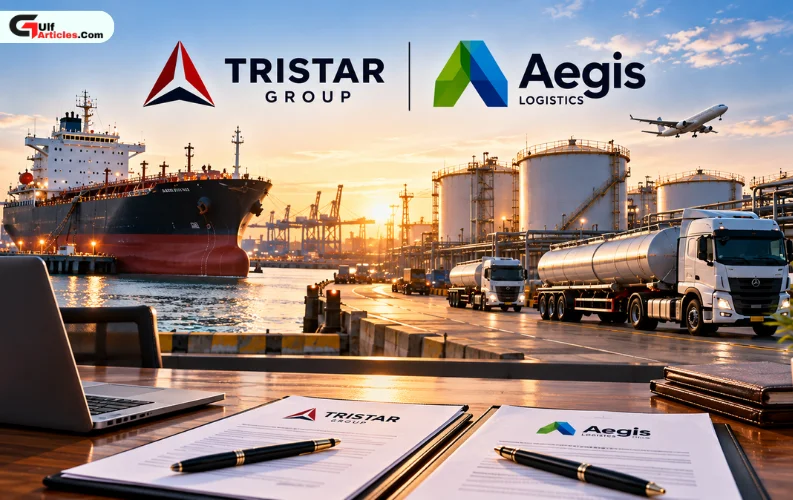
Tristar Group Signs Agreement for Aegis Logistics to Become Majority Shareholder

Tristar Group Signs Agreement for Aegis Logistics to Become Majority Shareholder

Tristar Group has signed an agreement that will allow Aegis Logistics to become its majority shareholder, marking a significant development in the companies' business relationship. The proposed transaction is expected to strengthen their position in the logistics and energy supply chain sectors, with potential implications for regional operations and future expansion.

Fitbit Edge Launched with Replaceable Battery, 7-Day Life and ECG for $180

Fitbit Edge Launched with Replaceable Battery, 7-Day Life and ECG for $180

Fitbit has introduced the Fitbit Edge, a wearable device featuring a replaceable battery, up to seven days of battery life, and electrocardiogram (ECG) functionality at a price of $180. The device focuses on practical health tracking and longer-term usability, offering an alternative for consumers who want smartwatch features without frequent charging or the need to replace the entire device when its battery wears out.

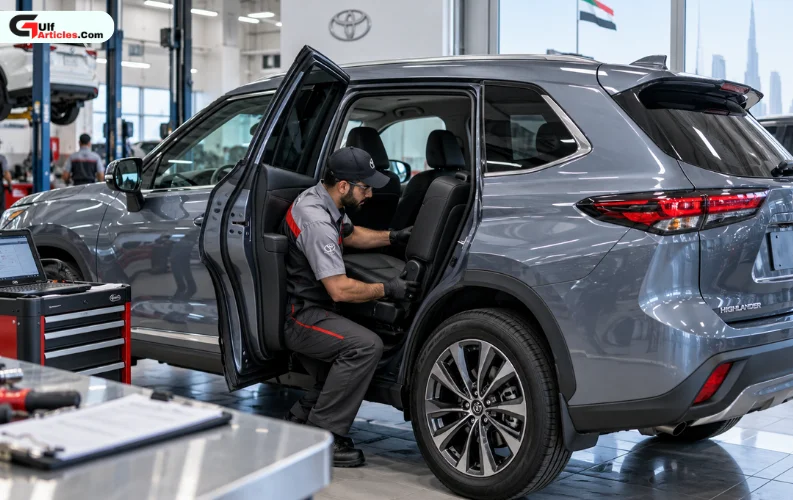
UAE Recalls 1,983 Toyota Highlander Vehicles Over Seat Safety Defect

UAE Recalls 1,983 Toyota Highlander Vehicles Over Seat Safety Defect

The United Arab Emirates has announced a recall of 1,983 Toyota Highlander vehicles after identifying a potential defect in the second-row seat mechanisms. The issue could prevent seatbacks from locking securely, increasing the risk of passenger injuries in the event of a collision. The recall was announced by Al-Futtaim Motors in coordination with the UAE's consumer protection authorities.

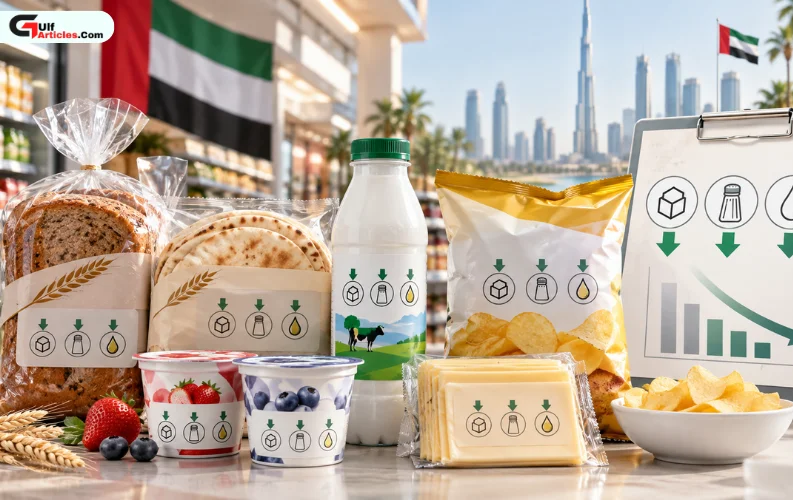
UAE Sets New Sugar, Salt and Fat Limits for Bread, Laban and Chips

UAE Sets New Sugar, Salt and Fat Limits for Bread, Laban and Chips

The United Arab Emirates has started implementing new rules that set limits on sodium, sugar and fat in selected packaged foods, including bread, laban, flavoured yoghurt, chips and processed cheese. The regulations aim to improve the nutritional quality of everyday products and support healthier food choices, while giving manufacturers time to adjust recipes and production processes.

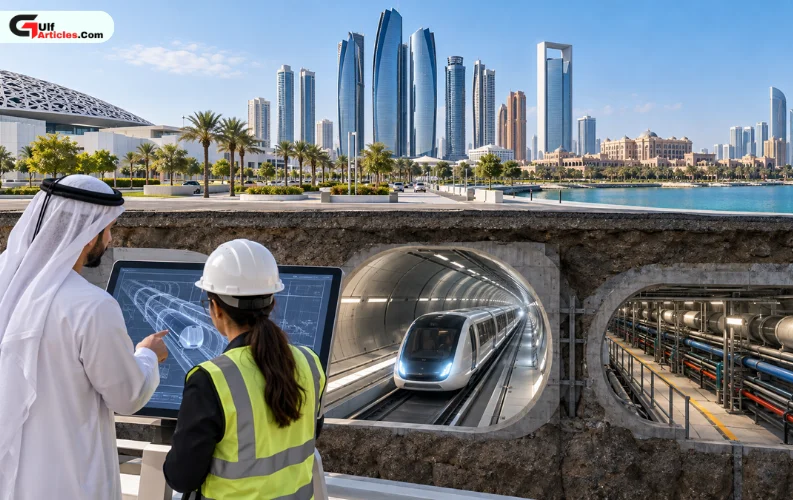
Abu Dhabi Partners With Elon Musk’s Boring Company to Explore Underground Infrastructure

Abu Dhabi Partners With Elon Musk’s Boring Company to Explore Underground Infrastructure

Abu Dhabi has partnered with The Boring Company, the tunnelling and infrastructure technology firm founded by Elon Musk, to explore underground transportation, utility tunnels and other infrastructure solutions across the emirate. The agreement, announced on October 8, 2026, aims to assess how advanced tunnelling technologies could improve connectivity, support urban growth and make more efficient use of available space.