
Skip to content

Discover a different perspective

News

UAE Central Bank Fines Exchange House Dh10.7 Million Over Compliance Failures

UAE Central Bank Fines Exchange House Dh10.7 Million Over Compliance Failures
Share this article
Text size 14px
Comment

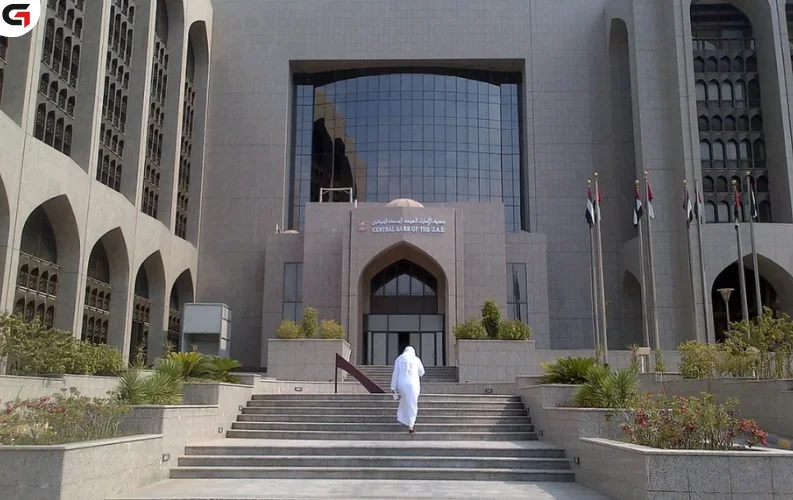
Abu Dhabi – The Central Bank of the United Arab Emirates (CBUAE) has imposed a financial penalty of Dh10.7 million on an unnamed exchange house for breaching federal anti-money laundering and counter-terrorism financing regulations.

The penalty was issued under Article (14) of the Federal Decree Law No. (20) of 2018, which addresses Anti-Money Laundering and Combating the Financing of Terrorism and Illegal Organisations. The CBUAE stated that the fine followed a comprehensive examination of the exchange house’s activities, revealing major deficiencies in its compliance with AML/CFT policies, procedures, and sanctions obligations.

In its official statement, the Central Bank noted that the exchange house failed to adhere to regulatory standards designed to uphold the integrity of the UAE’s financial system. The authority did not disclose the name of the entity but emphasized that appropriate supervisory action had been taken following due process.

The CBUAE reaffirmed its commitment to ensuring that all exchange houses operating in the country, along with their management and staff, strictly comply with the nation’s laws and regulatory frameworks. It stressed that these measures are critical for maintaining financial transparency, preventing misuse of the financial sector, and safeguarding the stability of the UAE’s economy.

The regulatory action comes amid a series of recent enforcements targeting non-compliant money exchange operations in the UAE. In earlier cases, the Central Bank revoked the licenses of Gomti Exchange and Al Nahdi Exchange for similar violations related to money laundering controls.

The CBUAE continues to reinforce its supervisory role, applying strict oversight to ensure that all licensed financial entities implement robust internal controls and maintain the highest standards of compliance with anti-financial crime legislation.


Comments 0

No comments yet. Be the first to share your thoughts.

Leave a comment

Your email is never published. All fields are required.

Related Stories

Continue reading from Gulf Articles

NBQ Ranks Among World’s Top Performing Banks in 2026 by Forbes

NBQ Ranks Among World’s Top Performing Banks in 2026 by Forbes

National Bank of Umm Al Qaiwain (NBQ) has secured fifth place globally in the small banks category of Forbes’ World’s Top Performing Banks 2026 ranking. The recognition places the UAE-based lender among the leading financial institutions in its asset category, highlighting its financial performance and balance-sheet resilience.

UAE NRIs Weigh Investment Options as India Considers Stock Market Tax Changes

UAE NRIs Weigh Investment Options as India Considers Stock Market Tax Changes

Non-Resident Indians (NRIs) living in the United Arab Emirates are reassessing their Indian investment strategies as the government considers possible changes to taxes on stock market investments. The discussion has gained momentum following Finance Minister Nirmala Sitharaman's remarks that the government is willing to consider investors' concerns about existing market levies.

Emirates SkyCargo Launches AI Cargo Service After Moving 700 Tonnes in July

Emirates SkyCargo Launches AI Cargo Service After Moving 700 Tonnes in July

Emirates SkyCargo has launched a dedicated air freight service for artificial intelligence infrastructure after transporting more than 700 tonnes of AI-related equipment across its global network in July 2026. The new service, named AI Tech, is designed to meet growing demand for the transportation of high-value and sensitive technology equipment used in data centres and AI computing systems.

Metro Manila Condo Rents Could Fall to ₱5,000 as Oversupply Intensifies

Metro Manila Condo Rents Could Fall to ₱5,000 as Oversupply Intensifies

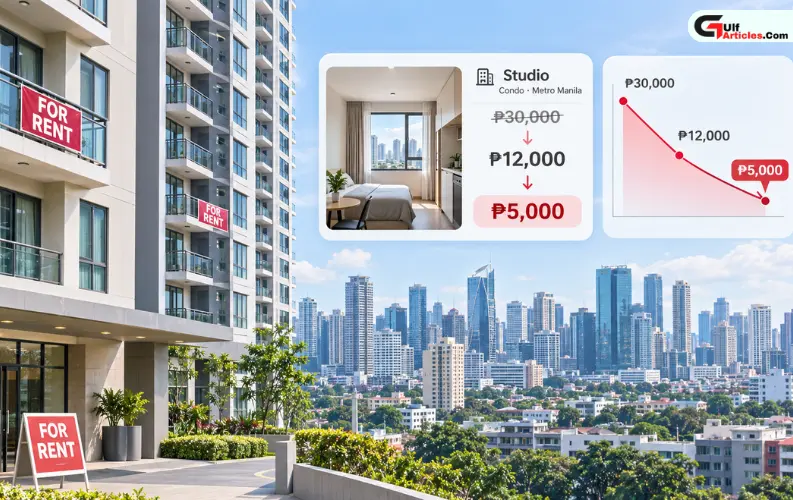
Condominium rental prices in Metro Manila could decline to as low as ₱5,000 ($78) per month for some studio units over the next 12 months, according to David Leechiu, chief executive and co-founder of Leechiu Property Consultants. The forecast highlights growing pressure in the Philippines' residential property market as excess housing supply increases competition among landlords.