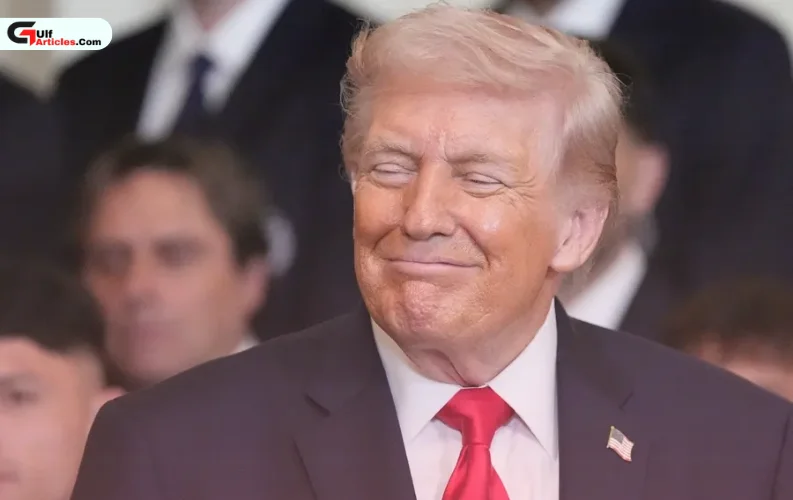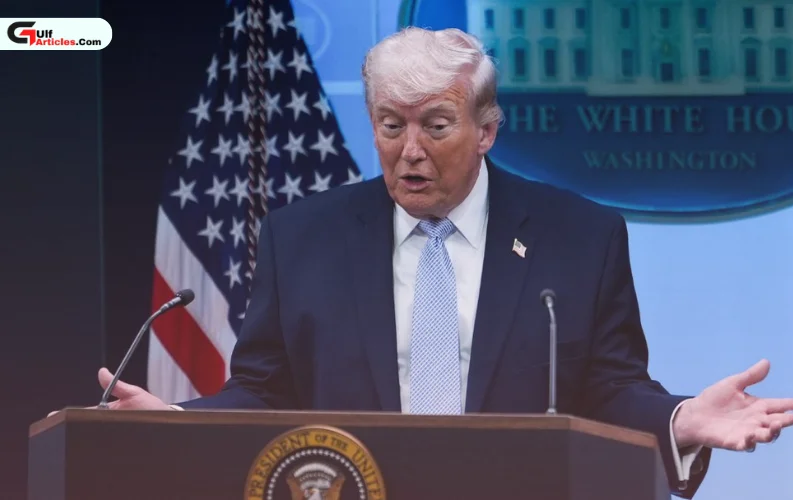

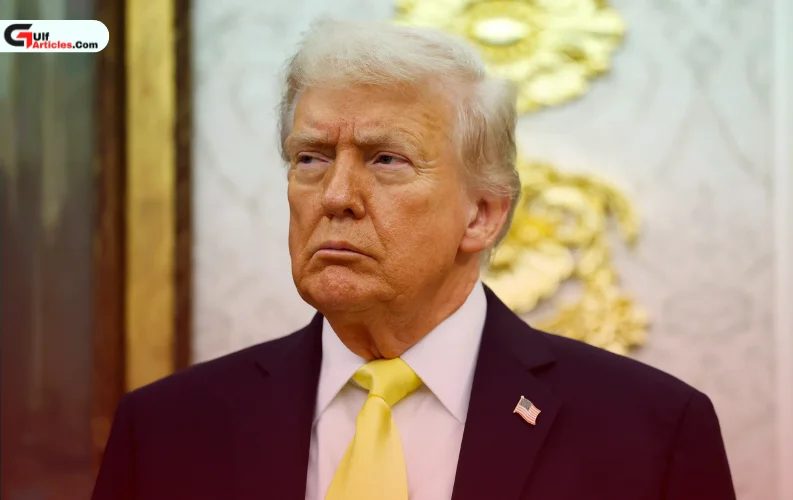
US President Donald Trump has announced a sweeping new trade measure targeting Iran’s international partners, saying the United States will impose a 25 percent tariff on any country that conducts business with Iran while also trading with the US.
The announcement, made via social media on Monday, marks a significant escalation in pressure on Tehran as international concern grows over Iran’s handling of nationwide protests that rights groups say have killed hundreds.
“This Order is final and conclusive,” Trump wrote, adding that the tariffs would take effect immediately, though he did not specify which countries would be targeted first.
According to economic data from Trading Economics, Iran’s primary trading partners include China, Turkey, the United Arab Emirates, and Iraq, all of which maintain commercial ties with the United States.
The tariff announcement comes as Iran faces one of its most serious internal crises in decades. Protests that began over economic grievances have spread nationwide and evolved into a broader challenge to the Islamic Republic’s political system, which has been in place since the 1979 revolution.
Iranian authorities have responded with a near-total internet shutdown and a heavy security presence. The Norway-based advocacy group Iran Human Rights (IHR) said it has verified at least 648 deaths, including nine minors, since the unrest began. The group warned the actual number may be far higher, with some estimates exceeding 6,000 fatalities.
IHR also estimates that around 10,000 people have been arrested, noting that communications blackouts have made independent verification extremely difficult.
“The international community has a duty to protect civilian protesters against mass killing by the Islamic Republic,” said IHR director Mahmood Amiry-Moghaddam.
The White House said on Monday that Trump remained “unafraid” to use military force against Iran if necessary, but stressed that diplomacy remains Washington’s preferred option.
Meanwhile, Iran’s leadership has sought to project control. Supreme Leader Ayatollah Ali Khamenei hailed large pro-government rallies on Monday as proof that the protest movement had been defeated, calling the demonstrations a warning to the United States.
Parliament speaker Mohammad Bagher Ghalibaf told supporters in Tehran that Iran was fighting a “four-front war,” citing economic, psychological, military, and internal security threats. He warned that any US attack would be met with a decisive military response.
Despite the hostile rhetoric, Trump said over the weekend that Iran’s leadership had reached out seeking negotiations. Iranian Foreign Minister Abbas Araghchi later confirmed that while Iran was “not seeking war,” it was fully prepared for one, adding that communication channels remained open through intermediaries.
International reaction has continued to build. The European Union said it is considering additional sanctions over Iran’s handling of the protests, while the European Parliament announced a ban on Iranian diplomats from its premises.
French President Emmanuel Macron condemned what he described as indiscriminate state violence against Iranian citizens demanding basic rights. Russia, a key ally of Tehran, criticized what it called foreign interference in Iran’s internal affairs.