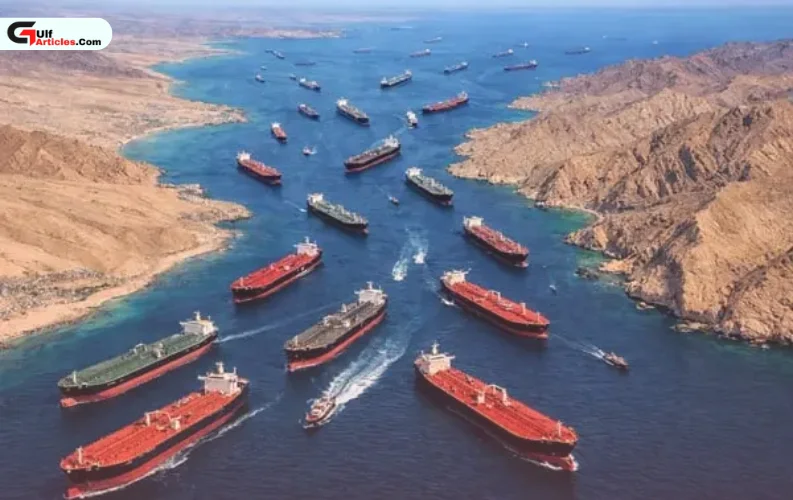

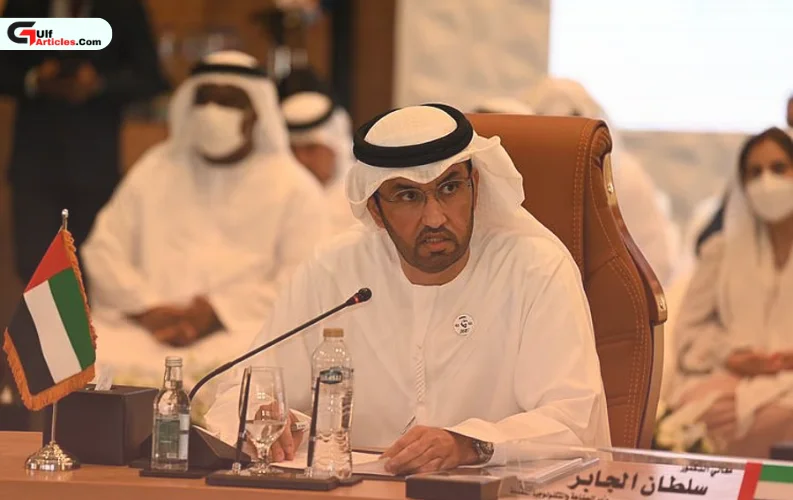
A sharp escalation in maritime disruptions in the Strait of Hormuz has raised serious concerns over global energy security, with at least 22 ships attacked and nearly 800 vessels stranded, according to fresh figures shared by Sultan Ahmed Al Jaber. The disruptions have led to the deaths of 10 crew members, while around 20,000 seafarers remain unable to safely pass through the corridor. Among the stranded vessels are nearly 400 oil tankers, highlighting the scale of the ongoing crisis in one of the world’s most critical energy routes.
Al Jaber warned that any attempt to restrict access to the Strait of Hormuz represents a direct threat to global economic stability. He stated that such actions go beyond regional tensions and could disrupt energy, food, and healthcare supply chains worldwide.
“The Strait of Hormuz has never been under the control of any single nation,” he said, adding that restricting access to the corridor would amount to interference with a global economic lifeline.
Earlier this week, Al Jaber had indicated that passage through the strait was no longer functioning as an open transit route. He noted that access is being increasingly restricted and controlled, raising concerns over the integrity of international shipping lanes.
The situation has also exposed a growing gap between market expectations and actual supply conditions. While cargoes shipped before the escalation continue to arrive at destinations, new shipments remain delayed, creating visible strain in global energy flows.
Industry estimates suggest that around 230 oil-loaded vessels are currently waiting for safe passage, further tightening supply conditions.
With approximately 20% of the world’s traded energy passing through the Strait of Hormuz, prolonged disruption is expected to exert upward pressure on oil prices and impact global supply chains. Asia, which receives nearly 80% of shipments from the route, is likely to face the most immediate consequences.
Al Jaber emphasized the urgency of restoring normal operations, stating that delays in reopening the corridor would continue to compound supply shortages and market instability.
Energy producers, including Abu Dhabi National Oil Company, are preparing to resume shipments within operational constraints while prioritizing safety.