
Skip to content

Discover a different perspective

Business

Top 10 Richest Athletes and How They Built Their Business Empires (2025 Edition)

Top 10 Richest Athletes and How They Built Their Business Empires (2025 Edition)
Share this article
Text size 14px
Comment

In the modern era, athletes have transcended their sports, evolving into global brands and astute business magnates. Their prowess isn't confined to the field; it's evident in boardrooms, investment portfolios, and entrepreneurial ventures. This article explores the top 10 richest athletes in 2025, shedding light on how they've meticulously built their business empires.

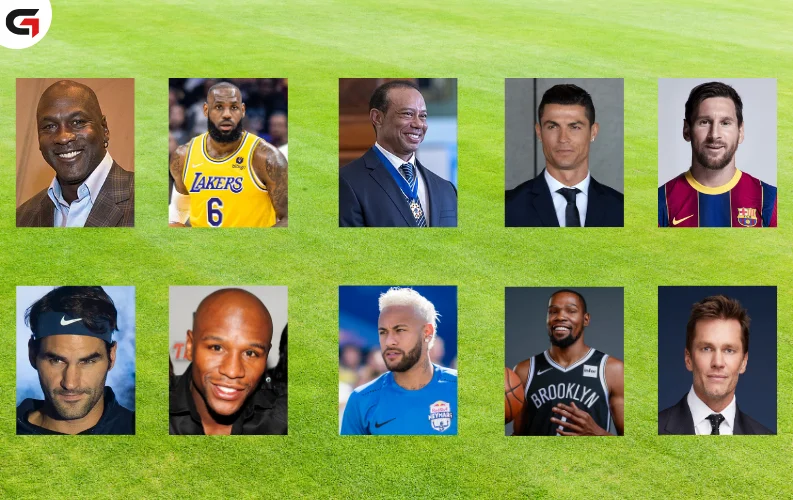
1. Michael Jordan – Net Worth: $3.5 Billion

Sport: Basketball
Nationality: American

Michael Jordan's legacy extends beyond his six NBA championships. His partnership with Nike birthed the iconic Air Jordan brand, which continues to generate substantial revenue. Beyond footwear, Jordan's business acumen led him to invest in various ventures, including a significant stake in the Charlotte Hornets, which he sold in 2023 for a substantial profit. His involvement in NASCAR with the 23XI Racing team further diversifies his portfolio.

2. LeBron James – Net Worth: $1.2 Billion

Sport: Basketball
Nationality: American

LeBron James exemplifies the modern athlete-entrepreneur. His investments span entertainment, with SpringHill Company producing notable content, and sports, with stakes in Fenway Sports Group. James's endorsement deals with Nike, PepsiCo, and others bolster his earnings. His recent venture into the UIM E1 Series showcases his interest in sustainable sports initiatives.

3. Tiger Woods – Net Worth: $1.3 Billion

Sport: Golf
Nationality: American

Tiger Woods revolutionized golf's commercial landscape. His endorsements with Nike and Gatorade set new standards, while his TGR Ventures encompasses golf course design, a restaurant chain, and a foundation focused on education. Woods's resilience and brand strength have solidified his status as a billionaire athlete.

4. Cristiano Ronaldo – Net Worth: $800 Million

Sport: Football (Soccer)
Nationality: Portuguese

Cristiano Ronaldo's CR7 brand encompasses clothing, fragrances, and hotels, reflecting his global appeal. His endorsements with Nike and Binance, among others, contribute significantly to his wealth. Ronaldo's strategic investments in fitness centers and tech startups demonstrate his forward-thinking approach to business.

5. Lionel Messi – Net Worth: $850 Million

Sport: Football (Soccer)
Nationality: Argentine

Lionel Messi's move to Inter Miami not only impacted MLS's popularity but also expanded his business ventures. His lifetime deal with Adidas, partnerships with PepsiCo, and investments in luxury hotels and tech funds showcase his diversified portfolio. Messi's commitment to philanthropy is evident through the Leo Messi Foundation.

6. Roger Federer – Net Worth: $550 Million

Sport: Tennis
Nationality: Swiss

Roger Federer's elegance on the court translates into his business endeavors. His endorsement deals with Uniqlo and Rolex, combined with his investment in the Swiss sneaker brand On, highlight his strategic partnerships. Federer's involvement in philanthropy through the Roger Federer Foundation underscores his commitment to global education initiatives.

7. Floyd Mayweather – Net Worth: $500 Million

Sport: Boxing
Nationality: American

Floyd Mayweather's moniker, "Money," aptly describes his financial success. His promotion company, Mayweather Promotions, ensures he retains a significant portion of fight revenues. Mayweather's investments in real estate, including a recent $402 million acquisition in Manhattan, and his interest in acquiring a stake in the NFL's New York Giants, highlight his business ambitions.

8. Neymar Jr. – Net Worth: $250 Million

Sport: Football (Soccer)
Nationality: Brazilian

Neymar's flair extends beyond the pitch. His endorsements with Puma and Red Bull, combined with investments in real estate and tech startups, contribute to his wealth. Neymar's involvement in esports and digital platforms reflects his connection with younger audiences and emerging markets.

9. Kevin Durant – Net Worth: $300 Million

Sport: Basketball
Nationality: American

Kevin Durant's Thirty Five Ventures encompasses media production, investments, and philanthropic efforts. His early investments in companies like Coinbase and Postmates showcase his foresight in tech ventures. Durant's endorsement deal with Nike and his involvement in various startups underline his diversified income streams.

10. Tom Brady – Net Worth: $300 Million

Sport: American Football
Nationality: American

Tom Brady's TB12 brand focuses on health and wellness, reflecting his commitment to longevity. His ventures into fashion with the BRADY brand and his broadcasting deal with Fox Sports post-retirement diversify his earnings. Brady's investment in Birmingham City Football Club and his involvement in the E1 electric boat racing series highlight his expanding business interests.

Conclusion

The financial trajectories of these athletes underscore the importance of strategic investments, brand building, and diversification. Their journeys from sports icons to business moguls serve as inspirations for aspiring entrepreneurs and athletes alike, demonstrating that success on the field can translate into enduring wealth off it.


You may also like:- 
Comments 0

No comments yet. Be the first to share your thoughts.

Leave a comment

Your email is never published. All fields are required.

Related Stories

Continue reading from Gulf Articles

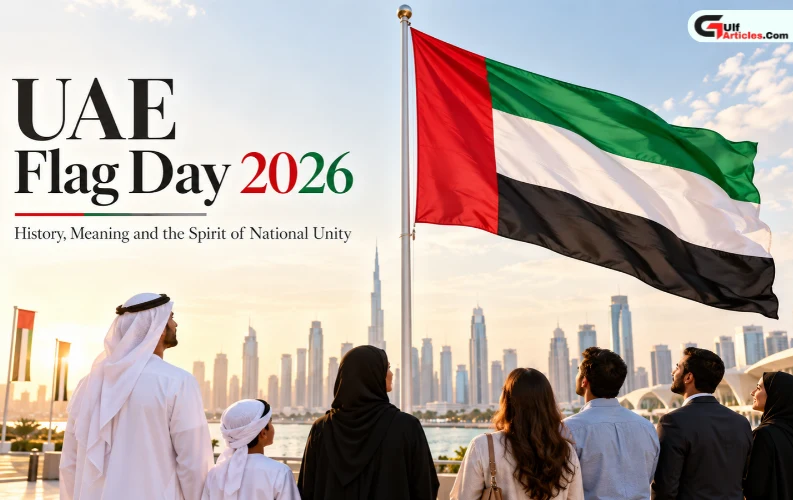
UAE Flag Day 2026: History, Meaning and the Spirit of National Unity

UAE Flag Day 2026: History, Meaning and the Spirit of National Unity

Every year, the United Arab Emirates comes together to celebrate one of its most meaningful national occasions, UAE Flag Day. Observed on November 3, the day honours the national flag as a symbol of unity, pride, sovereignty and the shared aspirations of the Emirati people. Across the seven emirates, government institutions, schools, businesses and communities mark the occasion by raising the flag and reflecting on the nation's journey and achievements.

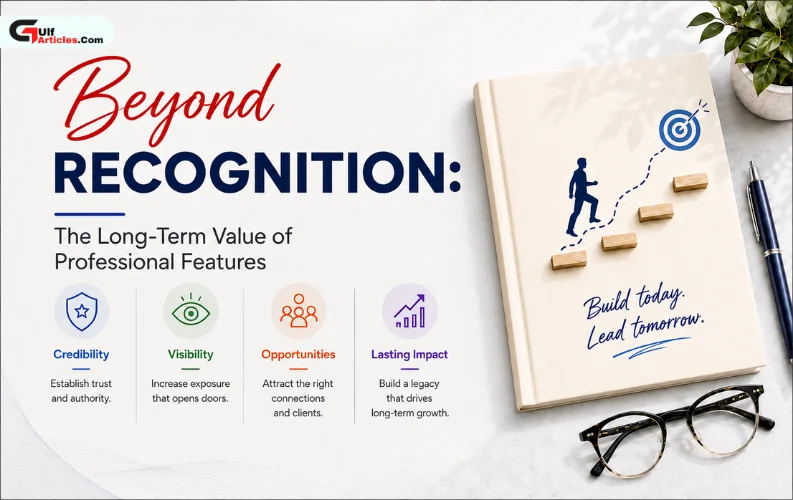
Beyond Recognition: The Long-Term Value of Professional Features

Beyond Recognition: The Long-Term Value of Professional Features

In today's fast-moving and highly competitive business environment, professional recognition is often viewed as a milestone of success. Whether through industry awards, executive profiles, leadership rankings, media interviews, or feature stories in respected publications, recognition serves as an acknowledgment of achievement and expertise. However, while many professionals focus on the immediate visibility that comes with being featured, the true value of professional features extends far beyond a moment of recognition.

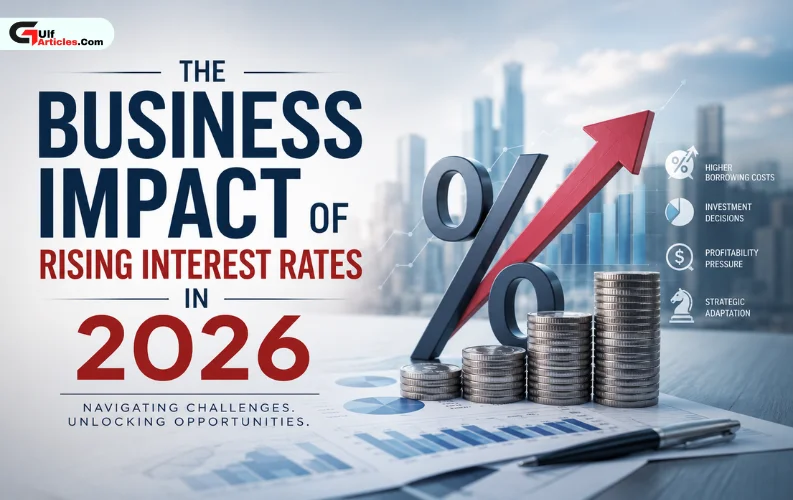
The Business Impact of Rising Interest Rates in 2026: Navigating a New Economic Reality

The Business Impact of Rising Interest Rates in 2026: Navigating a New Economic Reality

Interest rates have always played a critical role in shaping economic activity, but in 2026, they have become one of the most closely monitored factors influencing business performance worldwide. Following years of inflation concerns, economic adjustments, and monetary policy interventions by central banks, many businesses are operating in an environment where borrowing costs remain significantly higher than they were during the era of ultra-low interest rates.

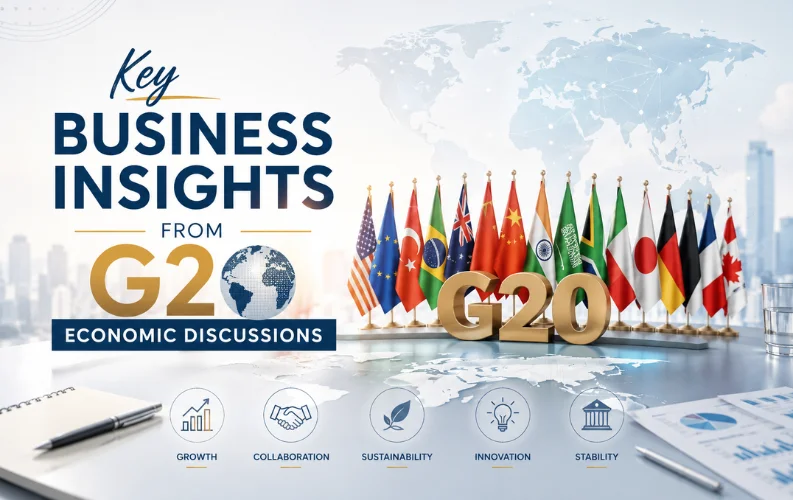
Key Business Insights from G20 Economic Discussions

Key Business Insights from G20 Economic Discussions

The Group of Twenty (G20) remains one of the most influential forums for international economic cooperation, bringing together the world's largest developed and emerging economies. Collectively, G20 members account for approximately 85% of global GDP, more than 75% of international trade, and around two-thirds of the world's population, making the group's discussions highly relevant to businesses operating in today's interconnected global economy.

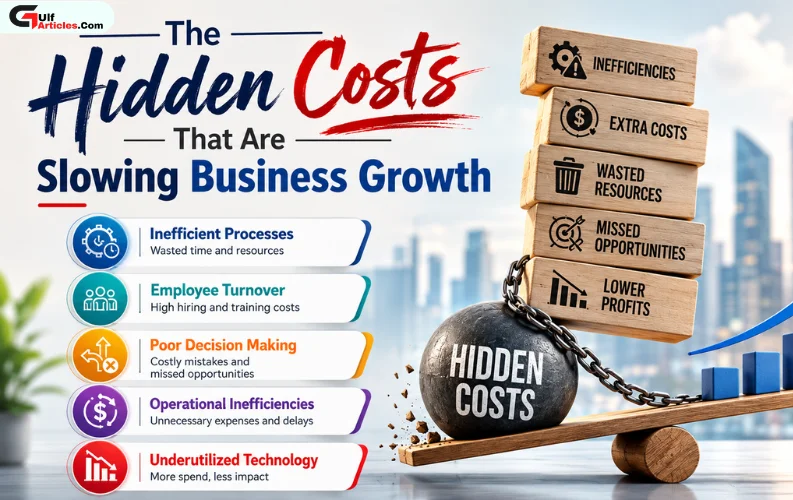
The Hidden Costs That Are Slowing Business Growth

The Hidden Costs That Are Slowing Business Growth

When business leaders discuss growth, the conversation often revolves around increasing revenue, expanding into new markets, attracting customers, launching products, or investing in innovation. These are visible and measurable drivers of growth, making them natural areas of focus for executives and entrepreneurs alike. However, many organizations overlook a less obvious factor that can have an equally significant impact on long-term success: the hidden costs embedded within everyday business operations.

Building a Business While Managing Multiple Roles: A Practical Perspective

Building a Business While Managing Multiple Roles: A Practical Perspective

For many entrepreneurs especially women building a business is rarely a single-focus journey. It often exists alongside multiple responsibilities: managing a household, raising a family, maintaining personal commitments, and navigating professional expectations. Unlike traditional business narratives that emphasize singular focus and uninterrupted scaling, the reality for many founders is far more layered.

The Reality of Leadership: Balancing Vision with Execution

The Reality of Leadership: Balancing Vision with Execution

Leadership is often framed around vision, the ability to anticipate change, define direction, and inspire others toward a future that does not yet exist. While this remains an essential attribute, it represents only one dimension of effective leadership. In practice, organizations do not succeed because of vision alone. They succeed because that vision is translated into consistent, measurable execution. This is where leadership becomes difficult. The gap between what leaders intend to achieve and what organizations actually deliver is often where performance breaks down. In today’s environment, defined by rapid change, operational complexity, and heightened expectations, the ability to balance vision with execution is no longer optional. It is a core leadership requirement.

What Kills Profitable Businesses After the First Three Years

What Kills Profitable Businesses After the First Three Years

For many founders, the third year of business is quietly reassuring. The company has survived its most fragile phase. Revenue is consistent. Clients return. Cash is moving, even if imperfectly. From the outside, the business appears stable, perhaps even successful. Internally, however, this period is often when the foundations begin to weaken. Contrary to popular belief, businesses rarely fail because they never achieved profitability. They fail after profitability, when early urgency fades and complexity increases faster than capability. The first three years are about survival. What comes after is about endurance—and the demands of endurance are far less forgiving. The businesses that collapse at this stage are not reckless or poorly conceived. They are often well-intentioned, hard-working, and outwardly functional. What kills them is not a single mistake, but a slow misalignment between how the business operates and what its new scale requires.