


Corporate culture in the Middle East is shaped by a unique blend of deep-rooted traditions, emerging economic ambitions, and the region’s growing integration with the global business ecosystem. This intersection of heritage and modernity has created a corporate environment unlike anywhere else in the world, one where longstanding values guide workplace relationships, leadership styles, and decision-making processes, yet innovation, digital transformation, and global competitiveness continue to drive business forward.
Over the past two decades, the Middle East, particularly the Gulf region, has undergone a dramatic shift in how organizations operate. From family-owned businesses transforming into multinational enterprises to governments encouraging entrepreneurship and foreign investment, the region is living through an era of reinvention. Despite this rapid modernization, cultural identity remains central to how people work, communicate, and collaborate. As a result, corporate culture here is not simply evolving; it is being redefined by a dual commitment to tradition and progress.
This article explores how Middle Eastern corporate culture is shaped by heritage, how businesses are adapting to the demands of modern economies, and what global professionals must understand to succeed in this dynamic environment.
The Foundation: A Culture Rooted in Heritage and Shared Values
To understand corporate culture in the Middle East, it is essential to understand the values that have shaped the region for centuries. Concepts such as respect, hospitality, honor, and community belonging influence everyday interactions, including how business relationships are formed and maintained.
1. Respect and Hierarchy
Respect for age, authority, and experience remains one of the cornerstones of Middle Eastern workplaces. Traditional hierarchies shape the flow of communication, with decisions often coming from senior leaders or individuals in positions of influence. Even in modern companies, employees commonly look to leadership for guidance, and leaders are expected to act as mentors rather than distant decision-makers.
2. Hospitality as a Cultural Framework
Hospitality is not merely a personal value, it is a professional philosophy. Meetings often begin with conversation, tea, or light social interaction as a way to build rapport before addressing business matters. This approach is seen not as a waste of time, but as an investment in trust, a key ingredient in Middle Eastern business success.
3. Community and Collective Identity
The region places strong emphasis on collective wellbeing. Whether in government institutions or private companies, loyalty and long-term relationships are valued more deeply than individual accomplishments. This promotes a strong sense of belonging within teams and fosters workplace environments where cooperation is prioritized over competition.
These values have remained consistent despite rapid economic shifts. They form the foundation upon which modern corporate practices are built, creating workplaces where tradition continues to influence strategy and operations.
Family-Owned Enterprises: The Historical Backbone of the Corporate Landscape
Much of the Middle East’s business environment has been shaped by large, influential family-owned enterprises. These businesses, some decades or even centuries old, play a crucial role in regional economies and job creation. Their leadership styles often reflect traditional values, prioritizing loyalty, trust, and long-term relationship-building.
As these family businesses expand, many are transitioning into structured corporate entities with global ambitions. Yet the influence of heritage remains strong, offering a blend of informal leadership and modern corporate governance. This combination often results in workplaces where employees experience a sense of stability combined with a growing openness to innovation.
Related Article:- Boost Your Investment Strategy with ChatGPT: Top 5 AI Tips That Actually Work
Globalization and the Shift Toward Modern Corporate Practices
In recent years, globalization and digital transformation have significantly reshaped corporate structures across the Gulf. The rise of multinational corporations, foreign investments, and large government-backed projects has introduced new expectations for workplace performance, transparency, and agility. As the Middle East becomes increasingly connected with global markets, businesses face a critical question: how to adopt modern practices without compromising cultural identity.
1. The Rise of Diversity in the Workplace
Gulf countries are home to some of the most diverse professional environments in the world. In the UAE, for instance, expatriates make up the majority of the workforce, resulting in a mosaic of cultures, skills, and communication styles. This multicultural setting has pushed companies to establish clear policies, structured leadership pathways, and HR systems aligned with global standards.
2. Emphasis on Innovation and Technology
Governments such as those in the UAE and Saudi Arabia are investing heavily in digital transformation. Smart cities, AI strategies, and tech-driven entrepreneurship have become national priorities, leading companies to adopt digital tools, agile methodologies, and data-driven decision-making. This shift encourages a more collaborative and performance-oriented corporate culture, particularly in industries like finance, logistics, technology, and tourism.
3. Changing Leadership Expectations
Leadership in the Middle East is no longer defined solely by authority and seniority. Today’s leaders are expected to blend traditional values, like mentorship and relationship-building, with modern competencies such as strategic agility, cross-cultural communication, and innovation readiness. This evolution has helped shape more dynamic and future-focused organizations.
Balancing Tradition and Modernity: The Core Challenge
As companies navigate the coexistence of heritage and global business practices, they face the challenge of maintaining cultural authenticity while meeting the expectations of a competitive marketplace.
Parental Leadership vs. Collaborative Leadership
Traditionally, leaders in the region often adopt a paternalistic leadership style, supportive, protective, and authoritative. While this approach creates loyalty and trust, modern workplaces, especially those with multinational teams, demand more inclusive and participatory leadership. Today’s successful Middle Eastern leaders are those who can bridge this gap, honoring cultural expectations while embracing modern management methodologies.
Formality vs. Openness
Middle Eastern business environments have historically valued formality in communication. However, younger generations entering the workforce prefer open discussions, feedback-driven cultures, and transparent decision-making. Companies are now integrating structured communication channels, employee engagement programs, and digital collaboration tools to create balance.
Local Identity vs. Global Competitiveness
Companies are increasingly adopting global best practices in areas such as HR, diversity, performance management, and digital transformation. Yet they remain committed to cultural identity, integrating national values, traditional norms, and local leadership approaches into organizational frameworks.
The result is a hybrid model: deeply cultural yet globally aware.
The Middle East Workforce Today: Aspirations and Realities
The new generation of professionals in the Middle East represents one of the region’s most powerful drivers of change. Educated, technologically skilled, and globally exposed, they bring fresh expectations to the workplace.
1. Growing Demand for Work-Life Balance
Traditionally, Middle Eastern work culture placed strong emphasis on dedication and long hours. However, employees today, particularly in the GCC, are advocating for a healthier work-life balance. Flexible hours, remote work options, and wellbeing initiatives are gradually becoming standard practices.
2. Interest in Skill Development and Career Growth
Younger professionals want continuous learning opportunities, clear promotion pathways, and access to training programs. Companies are responding by investing in leadership development, digital upskilling, and mentorship programs.
3. Purpose-Driven Careers
A significant number of Middle Eastern professionals, especially women and young graduates, seek purpose-driven roles. They want to contribute to national visions, sustainability goals, and socially impactful initiatives. This trend has encouraged companies to adopt socially responsible policies and integrate community-oriented objectives.
Women in the Middle East Workforce: A Transformational Force
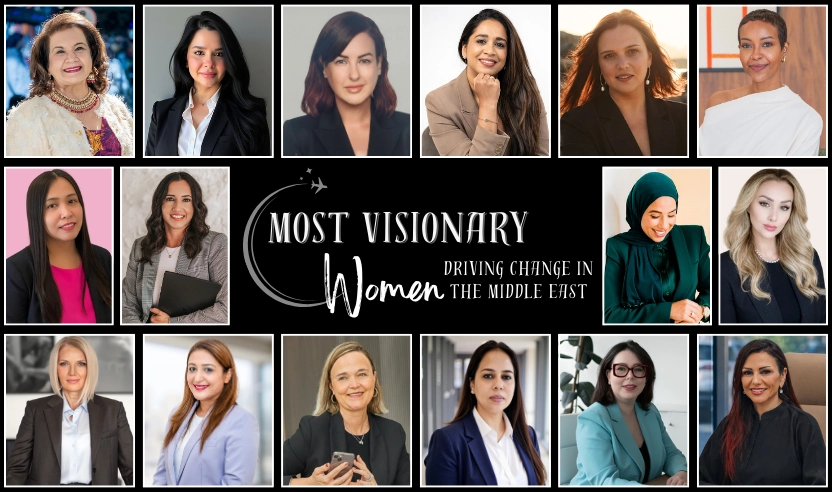
One of the most inspiring aspects of corporate culture in the region is the rapid rise of women in professional and leadership roles. Countries like the UAE, Saudi Arabia, and Qatar have introduced significant reforms encouraging female participation in the economy. Women today lead companies, manage influential government positions, and drive innovation across industries.
This shift has not only enriched workplace diversity but has also strengthened corporate culture by bringing new leadership perspectives, collaboration styles, and strategic thinking.
Explore More:- The Best U.S. States to Start a Business: A Complete Guide for Entrepreneurs
Foreign Professionals and Multinational Workforce Dynamics
The Middle East hosts millions of expatriate workers, making cross-cultural communication and collaboration essential components of corporate culture. Successful companies invest in cultural training, diversity policies, and communication systems to ensure alignment among multicultural teams.
Foreign professionals often find that understanding cultural nuances, such as the importance of respect, relationship-building, and indirect communication, greatly enhances their ability to succeed in the region.
How Companies Are Redefining Corporate Culture: Key Strategies
Below is the structured list portion (30% of the article):
Key Strategies Used by Leading Middle Eastern Companies
-
Blending global best practices with local values
Companies integrate performance metrics, modern HR systems, and international leadership frameworks while preserving cultural etiquette and traditions. -
Investing in leadership development programs
Leaders are trained to adopt a balanced style that respects hierarchy yet promotes open dialogue. -
Encouraging innovation and digital transformation
Businesses introduce AI tools, digital platforms, and data-driven processes to remain competitive globally. -
Promoting diversity and inclusion
Multinational teams require structured communication systems, cross-cultural training, and clear policies. -
Supporting work-life balance
Flexible schedules, hybrid work models, and wellness initiatives are gaining traction. -
Empowering women
Companies introduce mentorship programs, leadership pathways, and equitable opportunities for women. -
Creating employee engagement and recognition systems
Aligning cultural values with modern performance models builds loyalty and motivation. -
Building purpose-driven organizations
Businesses incorporate sustainability, social impact, and national development goals into their long-term strategies. -
Maintaining strong relationship-oriented practices
Trust, hospitality, and personal connection remain essential to successful business operations.
The Future of Corporate Culture in the Middle East
Corporate culture in the Middle East is entering a new era, an era defined by transformation, empowerment, and global relevance. The region is not simply adapting to modern business realities; it is actively shaping what the future of work looks like.
As Vision 2030 plans accelerate across GCC states, companies are becoming more innovative, workforce-friendly, and globally ambitious. Yet tradition continues to anchor every step forward, ensuring that progress does not come at the cost of cultural identity.
The future Middle Eastern workplace will likely be:
-
More digital and technology-driven
-
More inclusive of women and global talent
-
More collaborative and innovation-focused
-
More aligned with global sustainability goals
-
More connected to cultural heritage
This balance, between preserving values and embracing change, is what makes the corporate culture of the Middle East so dynamic and compelling.
Conclusion
Corporate culture in the Middle East is a powerful example of how tradition and modern business realities can coexist and reinforce each other. The region’s workplaces are shaped by respect, community, and heritage, yet driven by ambition, innovation, and global competitiveness. This harmony creates an environment where professionals from around the world can thrive, and where organizations can grow with a strong sense of identity and purpose.
For businesses looking to operate in the region, or for professionals seeking to understand it, the key lies in embracing both sides of the cultural spectrum. The Middle East proves that progress does not require abandoning tradition; instead, it flourishes when tradition guides progress with wisdom, humanity, and vision.
You may also like:-