
Oil shipping costs and marine insurance premiums have risen sharply as tensions in the Strait of Hormuz disrupt maritime traffic, putting pressure on the UAE’s key trade routes.
Freight rates for tankers moving crude oil from the Gulf have climbed dramatically after escalating conflict between the United States and Iran increased security risks in the region. Shipowners are demanding higher payments to transport cargo through the narrow waterway, which handles a significant share of global oil supply.
The Strait of Hormuz carries nearly one-fifth of the world’s oil shipments. Any disruption in this corridor immediately affects global energy markets.
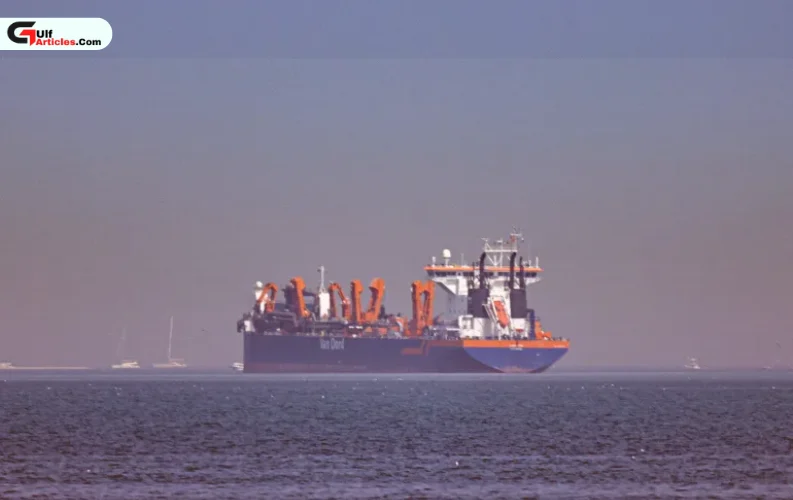
Shipping brokers report that rates to transport Middle East crude to Asia have multiplied compared to last year. Several oil tankers have anchored outside the strait, waiting for clearer security conditions before proceeding.
Insurance costs have also jumped. War-risk premiums for vessels entering the Gulf are expected to rise by as much as 50%. For large oil tankers valued at around $100 million, this could mean hundreds of thousands of dollars in additional costs per voyage.
The UAE, one of OPEC’s major producers, relies heavily on the Strait of Hormuz for crude exports and refined product shipments. Although the Habshan-Fujairah pipeline provides an alternative route for part of its oil exports, most regional shipments still pass through the strait.
Major global shipping companies have either suspended or rerouted vessels due to safety concerns. This has increased congestion near Gulf ports and slowed overall traffic.
Analysts warn that even short-term disruption could push oil prices higher. A prolonged shutdown of the strait may send crude prices above $100 per barrel, increasing inflationary pressure worldwide.
Beyond energy, the region is also a key exporter of aluminum, fertilizers and other commodities. Any continued disruption could affect global supply chains and raise transportation costs further.
For now, markets remain cautious as governments and shipping firms monitor developments closely.