

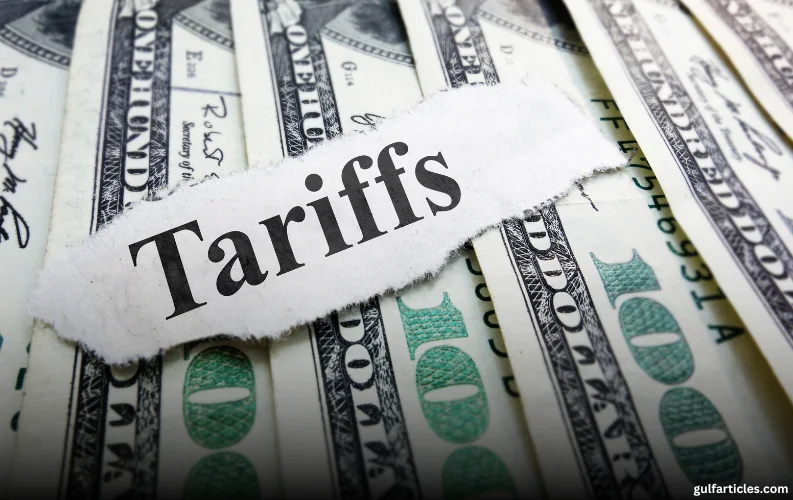
New York / London / Hong Kong — Global financial markets descended into further turmoil on Monday as the deepening trade rift between the United States and China triggered a full-blown investor exodus from equities, driving a historic surge in demand for bonds and traditional safe-haven assets.
The sell-off intensified after Beijing retaliated against Washington’s latest tariff barrage, announcing a sweeping 34% levy on all U.S. imports, a move that jolted market confidence and sent risk assets into free fall across continents.
Asia Leads Global Slide: Worst in Over a Decade
Markets in Asia bore the brunt of the fallout. Hong Kong’s Hang Seng index suffered its largest single-day drop since 2008, plunging 12%, while Taiwan’s benchmark index logged its worst session on record. The broader MSCI Asia Pacific Index dropped 7.9%, a fall not seen in over 16 years.
Japan’s Topix index lost 7.2%, triggering circuit breakers, and India’s Sensex extended Friday’s losses with a sharp 5% decline. The cascading panic sent European and U.S. equity futures tumbling over 3.7%, signaling a grim start to the week on Wall Street.
In the U.S., the S&P 500 futures dropped 3.8%, while Nasdaq 100 futures fell 4.7%, entering deeper correction territory.
Bonds, Gold, and Yen Rally Amid Panic
As equities fell, investors rushed to the safety of sovereign debt. The U.S. two-year Treasury yield dipped to its lowest since 2022, while the 10-year yield declined for the seventh consecutive session, marking its longest losing streak in over five years.
Gold hovered near its all-time high at $3,034/oz, and the Japanese yen appreciated 0.8%, gaining its strongest level in six months. The Swiss franc also outperformed against most major currencies.
Meanwhile, credit default swaps in Asia blew out sharply, the biggest spike since the early days of the COVID-19 pandemic in 2020.
Trump Stands Firm as Market Bleeds
Despite widespread warnings from economists and global investors, President Donald Trump stood by his aggressive tariff strategy. “Forget the markets for a second — we hold all the cards,” he said aboard Air Force One, brushing aside mounting fears of recession.
His administration’s stance has so far ignored the sharp downturn in equities, with officials reiterating that no policy reversals are currently on the table.
Central Banks Caught in the Crossfire
Federal Reserve Chair Jerome Powell acknowledged the potential economic impact but said the central bank would avoid hasty responses. Nevertheless, markets are already pricing in more than four interest rate cuts before the end of the year — up from three just a week ago.
Goldman Sachs and JPMorgan Chase have revised their economic forecasts, citing increased risk of a U.S. and global recession if the trade dispute lingers. JPMorgan Chief Economist Bruce Kasman warned that the tit-for-tat tariffs could push the global economy into contraction by late 2025.
Europe Responds, China Eyes Stimulus
European Commission President Ursula von der Leyen said Brussels is closely monitoring the situation and preparing countermeasures, but reiterated the EU’s preference for diplomatic resolution.
In Beijing, Chinese policymakers convened emergency sessions over the weekend to discuss fiscal measures to cushion the economy. State media reported plans to accelerate stimulus programs aimed at boosting domestic consumption and stabilizing capital markets.
Volatility Soars, 'Capitulation' Begins
The Cboe Volatility Index (VIX) — often referred to as Wall Street’s fear gauge — surged to its highest levels since the pandemic’s early stages in 2020.
“This is a proper capitulation,” said Jun Bei Liu, hedge fund manager at Ten Cap Pty. “The level of panic in markets hasn’t been this intense in years. But that doesn’t mean opportunity doesn’t exist — companies insulated from global trade may still offer value.”
Commodities, Cryptos Join the Slide
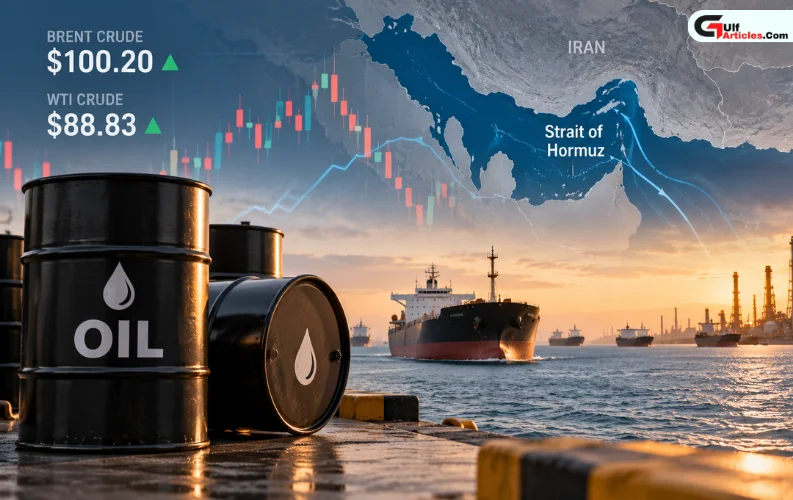
In commodities, oil prices tumbled after Saudi Arabia unexpectedly slashed its flagship crude prices by the most in two years. West Texas Intermediate (WTI) crude dropped 2.9%, while industrial metals like copper also reversed earlier gains.
Cryptocurrencies were not spared either — Bitcoin slid 2.6%, and Ethereum dropped 2.2%, highlighting the broader risk-off sentiment gripping markets.
Market Snapshot: April 7, 2025
| Asset Class | Performance |
|---|---|
| S&P 500 Futures | -3.8% (Record low) |
| Nasdaq 100 Futures | -4.7% |
| MSCI Asia Pacific | -7.9% (16-year low) |
| Hang Seng (Hong Kong) | -12% (Biggest drop since 2008) |
| Japan Topix | -7.2% |
| Euro Stoxx 50 Futures | -4.2% (10-year low) |
| 10-year U.S. Treasury Yield | Down 9 basis points (7-day losing streak) |
| Gold | $3,034/oz (-0.1%) |
| Yen/USD | +0.8% (6-month high) |
| Bitcoin | -2.6% (Lowest since Nov 2023) |
Outlook: Uncertainty Rules the Road Ahead
With no signs of de-escalation from either Washington or Beijing, markets are bracing for a prolonged trade standoff that may define the remainder of 2025. Economists say policymakers now face the difficult task of managing a volatile economic environment without compromising long-term stability.
As one analyst put it, “When the world’s two largest economies go to war over trade, no one escapes unscathed.”











Comments 0
No comments yet. Be the first to share your thoughts.
Leave a comment
Your email is never published. All fields are required.