

Dubai – Regional investors were left reeling on Thursday as escalating trade tensions triggered by new US tariffs and a sharp slump in oil prices sent tremors through Gulf markets, eroding billions in market value and casting uncertainty on the economic outlook.
Dubai’s main bourse was hit hardest, plunging 1.8 per cent in what market watchers described as its steepest single-day decline in 2025. The sell-off was led by blue-chip developer Emaar Properties, whose shares tumbled nearly 9 per cent. Market breadth reflected the bearish sentiment, with 34 stocks declining versus just 10 gainers.
Abu Dhabi’s index also lost ground, slipping 0.8 per cent, dragged by financial and energy-related counters. Meanwhile, Saudi Arabia’s Tadawul saw a post-Eid retreat of 0.4 per cent, with pressure from index heavyweights including Saudi National Bank and oil major Aramco weighing on investor confidence.
Elsewhere in the region, Qatar’s stock market remained closed due to Eid holidays, postponing any immediate reaction from investors there.
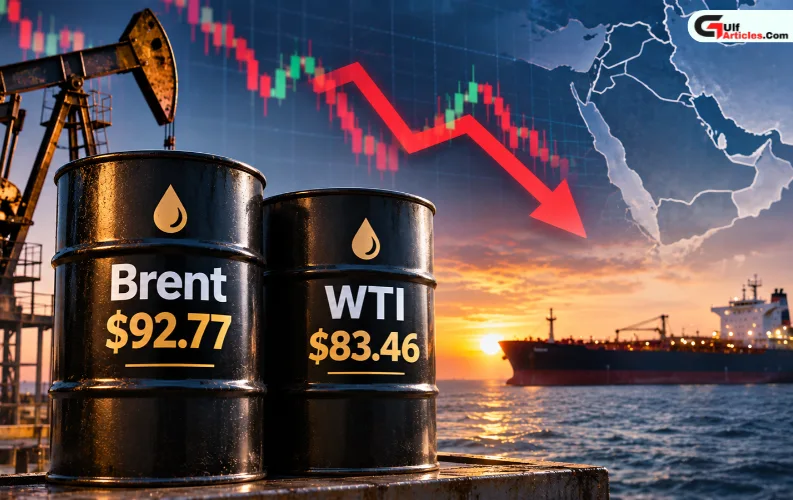
Compounding the pressure was a fresh 3 per cent drop in crude oil prices, heightening concerns among Gulf Cooperation Council (GCC) investors over potential revenue shortfalls for oil-exporting nations. The downturn comes amid growing apprehension that sluggish global growth could dent demand for energy, while political signals from Washington risk further disruption in trade flows.
President Donald Trump’s latest announcement of sweeping tariffs on several major trading partners, including the European Union and China, has fueled fresh volatility across global markets. For GCC economies—many of which are intricately linked to global oil and trade dynamics—the move adds another layer of unpredictability.
Veteran market analysts stressed the need for caution, urging regional investors to remain vigilant. “The dual shock of trade restrictions and declining oil prices is a red flag,” said Adil Rehman, a Dubai-based economist. “This moment calls for diversification and defensive positioning until markets absorb the full impact.”
Looking ahead, all eyes will be on whether Brent crude can regain its footing and if diplomatic negotiations can temper the escalating trade standoff. For now, however, investor nerves appear frayed—and regional exchanges are bearing the brunt.












Comments 0
No comments yet. Be the first to share your thoughts.
Leave a comment
Your email is never published. All fields are required.