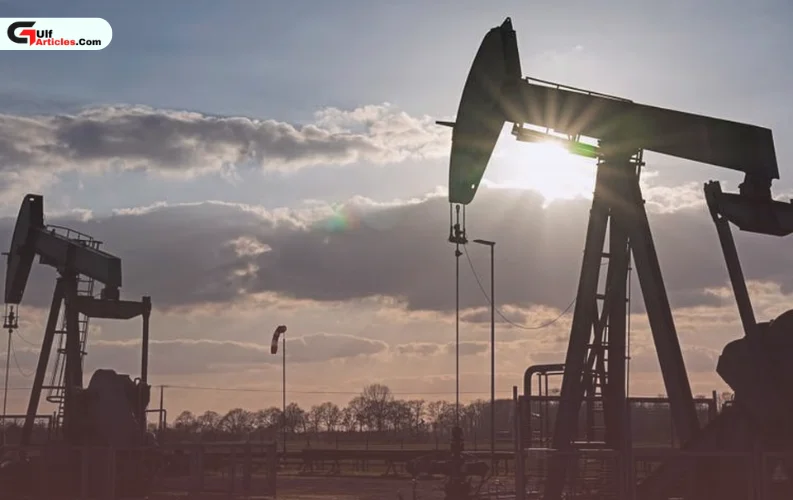


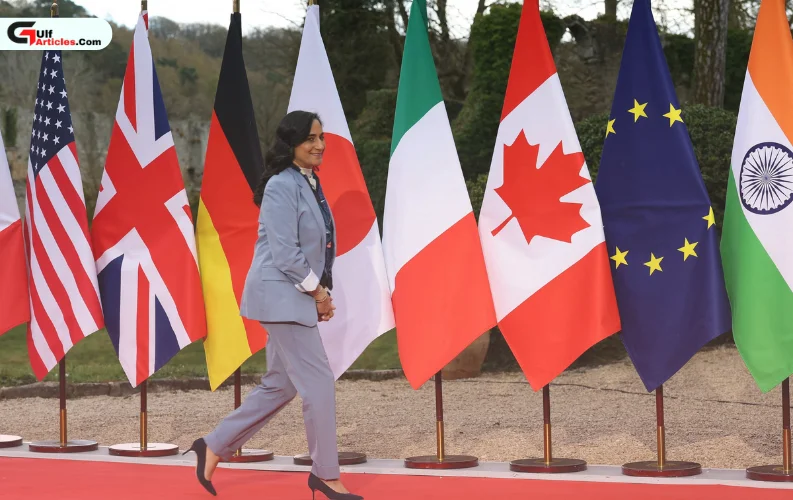
Leaders from the Group of Seven (G7) nations are set to hold a high-level virtual meeting on Monday to assess the growing economic impact of the ongoing Middle East conflict, as global energy prices continue to surge. The meeting will bring together finance ministers, energy officials, central bank chiefs, and representatives from international agencies. The discussion comes at a time when disruptions in oil and gas supplies are putting pressure on global markets and supply chains.
The conflict escalated in late February when the United States and Israel launched strikes on Iran. In response, Iran targeted oil-exporting nations in the region and disrupted shipments through key Gulf routes, tightening global energy supply.
France’s Finance Minister, Roland Lescure, confirmed that the G7 videoconference aims to evaluate the broader impact on financial markets and economies. He noted that countries are experiencing varying levels of exposure to the crisis, with Asian economies particularly vulnerable due to their reliance on energy imports.
“This meeting is essential to exchange views and coordinate responses,” Lescure said during a recent press briefing.
The G7 — comprising the United States, Canada, the United Kingdom, France, Germany, Italy, and Japan — plays a key role in shaping global economic policy among advanced economies.
Recent tensions have also drawn attention to the Strait of Hormuz, a critical global shipping route. The United States has called for coordinated efforts to ensure free passage through the strait, following disruptions linked to the conflict.
Last week, G7 foreign ministers emphasized the urgent need for Iran to restore safe navigation and halt attacks on civilian infrastructure.
Meanwhile, governments worldwide are introducing measures to manage the rising cost of energy and stabilize supply chains. However, uncertainty surrounding the duration and expansion of the conflict continues to challenge policymakers.
Despite statements from U.S. officials suggesting that military objectives are close to being achieved, the region has seen a significant buildup of forces and ongoing violence.
Reports indicate that thousands of people have been killed in the conflict, including a large number of civilians, raising concerns about both humanitarian and economic consequences.
As global markets remain volatile, the outcome of the G7 discussions is expected to play a crucial role in shaping coordinated economic responses in the weeks ahead.