

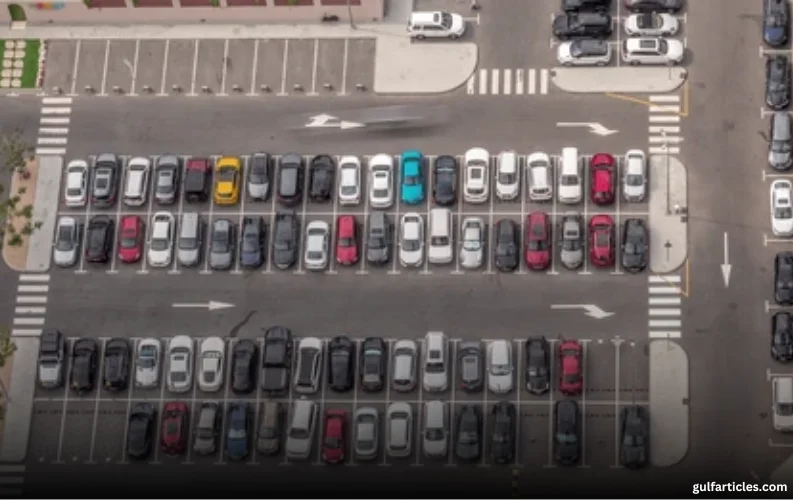
Dubai’s public parking operator, Parkin, has announced that new variable parking fees will come into effect at select event locations starting February 17.
A Dh25 per hour fee will be applied in areas near major event venues when events are taking place, the operator confirmed on Wednesday. The new tariff aims to regulate parking demand and improve traffic flow in high-traffic zones.
In a post on X (formerly Twitter), Parkin advised residents and visitors to consider public transport options when heading to event venues. It also designated the area around Dubai World Trade Centre as a ‘Grand Event Zone,’ highlighting its significance as a key hub for exhibitions and conferences.
Recent Changes to Parking Tariffs
The announcement follows an earlier adjustment to parking fees across Zone F areas, which came into effect on February 1. The updated rates apply to parking spaces in key business districts, including Al Sufouh 2, Knowledge Village, Dubai Media City, and Dubai Internet City.
Authorities continue to encourage the use of Dubai Metro, RTA buses, and other public transport options to ease congestion and ensure smoother access to event locations.










Comments 0
No comments yet. Be the first to share your thoughts.
Leave a comment
Your email is never published. All fields are required.