

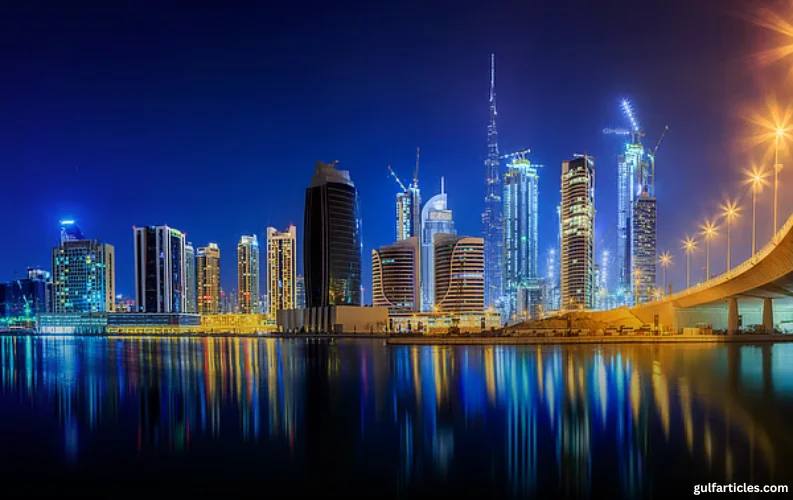
Dubai’s real estate market is witnessing a significant shift from renting to homeownership, as an increasing number of residents opt to purchase homes rather than renew their leases. The latest data from the Dubai Land Department (DLD) indicates a 30% month-on-month drop in rental renewals in February, signaling a growing trend of long-term property investment.
To capitalize on this surge in demand, developers are introducing innovative payment plans, some of which allow buyers to pay up to 80% of the property cost after handover, making homeownership more accessible than ever.
Declining Lease Renewals Indicate Long-Term Settlement
According to real estate firm Allsopp & Allsopp, Dubai's declining rental renewals, coupled with a 105% year-on-year increase in villa and townhouse sales, suggests that more residents are choosing permanent homeownership over temporary renting.
"It’s more than just short-term interest now," said Lewis Allsopp, Chairman of Allsopp & Allsopp. "The clear decrease in rental renewals, combined with the strong growth in villa sales, shows that people are making long-term commitments. They're moving beyond renting and choosing to settle here."
Demand Outpaces Supply, Driving Rental Increases
The Dubai rental market has experienced sustained growth over the past four years, with rents in certain communities more than doubling due to:
- A high influx of expatriates and investors.
- Demand surpassing supply, leading to a consistent rise in rental prices.
- Improved infrastructure and quality developments attracting more long-term residents.
According to Randy Fink, CEO of Asteco, the shift in demand has particularly benefited affordable housing communities in Dubai, Abu Dhabi, and the Northern Emirates, where competitive pricing and improved accessibility have driven rental growth.
"As rental rates continued to rise across all sectors and areas, affordability has become a key factor influencing tenants' decisions," said Fink. "Many are now considering long-term homeownership as a more viable and financially sound option."
Developers Introduce Aggressive Payment Plans
In response to the growing demand for property ownership, real estate developers are offering flexible payment structures to attract buyers.
Key initiatives include:
- 80/20 and 75/25 payment plans, allowing buyers to pay a majority of the cost post-handover.
- Lower down payments to reduce the initial financial burden.
- Extended payment plans and reduced service charges to make ownership more affordable.
Damac Properties, Dubai’s largest private developer, recently redefined home financing rules by offering UAE residents bank financing for off-plan projects at just 35% completion, compared to the previous industry standard of 50%.
"This is a game-changer for residents and investors," said Amira Sajwani, Managing Director of Sales and Development at Damac Properties. "We are committed to making homeownership a reality for many, and this move enhances financial flexibility for buyers."
Dubai’s Property Market: A Long-Term Investment Destination
The ongoing shift from renting to ownership highlights Dubai’s growing appeal as a long-term residential and investment destination. With more people choosing to settle permanently and developers responding with buyer-friendly financial solutions, Dubai’s real estate market is poised for continued growth in 2025 and beyond.
As homeownership becomes increasingly accessible, more residents are expected to move away from renting, securing their place in one of the world's most dynamic property markets.











Comments 0
No comments yet. Be the first to share your thoughts.
Leave a comment
Your email is never published. All fields are required.