
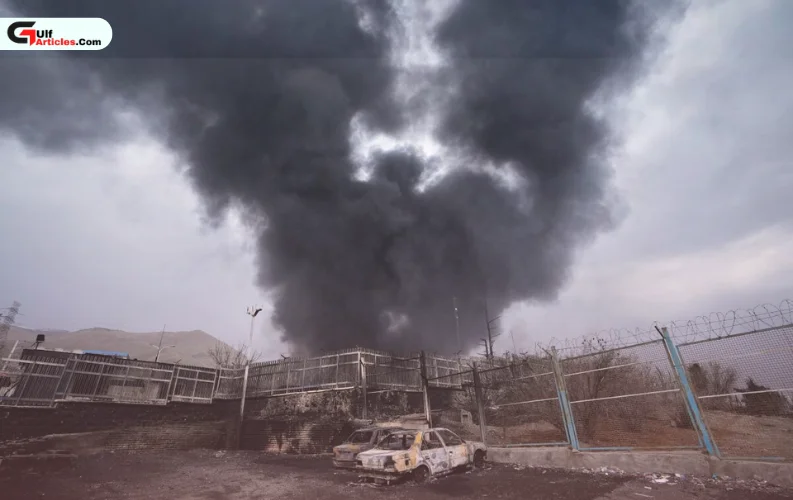
Global oil prices surged sharply on March 9, 2026, with Brent crude crossing $109 per barrel, as escalating tensions involving Iran, the United States, and Israel disrupted energy markets and raised concerns over global oil supply.
The spike comes as the conflict in the Middle East continues to affect key oil transport routes and production levels across the region. Traders and analysts say growing geopolitical risks have pushed oil prices to their highest levels in several years.
Oil Prices Rise Across Major Benchmarks
According to the latest market data, major crude oil benchmarks recorded strong gains as supply concerns intensified.
Latest global crude oil prices:
-
WTI Crude: $109.1, up nearly 20%
-
Brent Crude: $109.4, up about 18%
-
Murban Crude: $112.5, up nearly 9%
The sharp rise reflects growing fears that the ongoing conflict could disrupt global oil exports for an extended period.
Strait of Hormuz Tensions Raise Supply Concerns
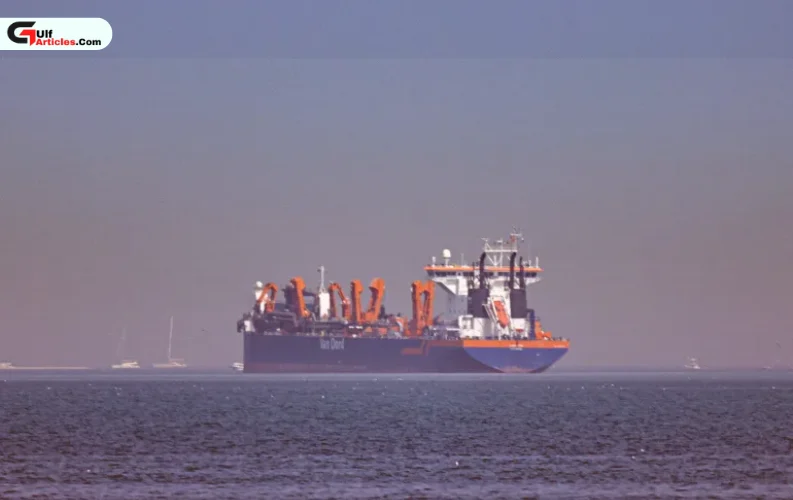
One of the biggest concerns for energy markets is the Strait of Hormuz, a narrow waterway through which a significant portion of the world's oil supply passes every day.
Reports of partial disruptions and security threats in the region have raised fears that shipments from Gulf producers could be affected. Any disruption in this route can have immediate global consequences because many countries rely on oil passing through the strait.
In addition, production cuts by Iraq and Kuwait, along with retaliatory actions affecting exports, have added further pressure to global supply.
Oil Prices Surge Nearly 60% in a Month
Oil markets have experienced a dramatic rally over the past few weeks. Prices have increased by almost 60% in the last 30 days, driven largely by fears of supply shortages and growing geopolitical risks.
Investors are adding a risk premium to oil prices, anticipating that the conflict could continue to disrupt exports from major oil-producing nations in the Middle East.
Rising Energy Costs Could Affect Global Economy
The sudden surge in crude oil prices is already affecting global fuel markets. Higher crude prices usually lead to increased gasoline and diesel costs, which can impact transportation, manufacturing, and overall economic activity.
Energy analysts warn that if tensions continue or supply disruptions worsen, oil prices could test levels above $110 per barrel in the near future.
However, prices may stabilize if diplomatic efforts ease tensions or if alternative supply routes are secured.
Market Outlook
While the global energy market remains highly sensitive to geopolitical developments, analysts say the coming days will be crucial. Any escalation in the conflict or disruption to shipping routes could push prices even higher.
For now, oil traders and governments around the world are closely watching developments in the Middle East as the situation continues to evolve.