

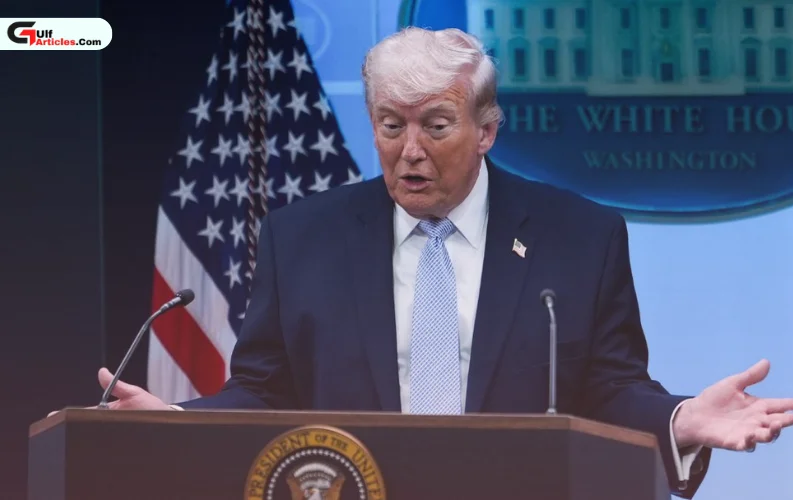
US President Donald Trump has warned Iran against imposing transit fees on commercial vessels passing through the strategic Strait of Hormuz, amid reports that Tehran is considering charging tolls as part of recent ceasefire arrangements. The White House issued a strong caution, stating that if such charges are being implemented, Iran “better stop now,” signaling firm opposition to any move that could disrupt global shipping or violate international maritime norms.
The warning follows reports that Iran may seek payments from oil tankers using alternative currencies such as the Chinese yuan or cryptocurrencies—raising concerns among Gulf nations and global shipping operators.
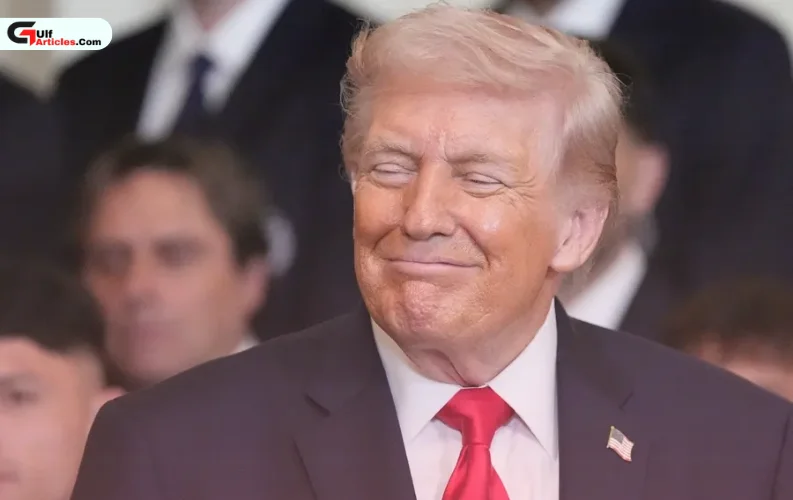
In a statement shared by the White House, Trump said: “There are reports that Iran is charging fees to tankers going through the Hormuz Strait — they better not be and, if they are, they better stop now.”
Ceasefire Under Scrutiny
The development comes amid a fragile, two-week ceasefire between the United States and Iran, which officials have described as conditional. The agreement includes provisions for the reopening of the Strait of Hormuz, a critical route through which a significant portion of the world’s oil supply is transported.
White House Press Secretary Karoline Leavitt said the administration’s firm stance, including demands for unrestricted maritime access, played a key role in securing Iran’s participation in the ceasefire.
She described the truce as a “victory” for the United States, adding that strong diplomatic pressure helped bring Tehran to the negotiating table.
Regional Concerns Rise
Despite the agreement, concerns persist over compliance. Reports of a drone attack targeting Kuwait after the ceasefire have raised questions among Gulf states about Iran’s commitment to halting hostilities and ensuring safe passage through the waterway.
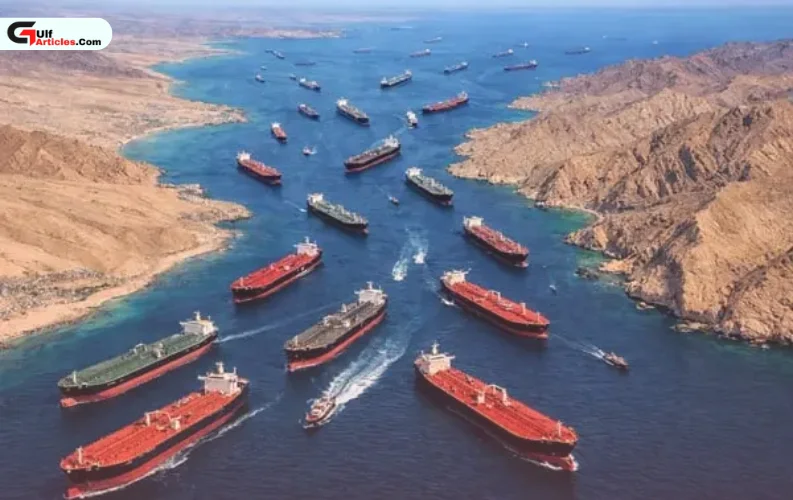
The Strait of Hormuz remains one of the most strategically important maritime routes globally, linking major oil producers in the Middle East to international markets.
Shipping Activity Resumes
Early signs indicate that commercial vessel movements have begun to resume in the region following the ceasefire announcement. However, uncertainty over potential toll charges and security risks continues to weigh on shipping operations.
US officials have reiterated that military presence in the Gulf region will remain unchanged, emphasizing continued vigilance despite the pause in hostilities.
Uncertain Path Ahead
While both Washington and Tehran have framed the ceasefire as a step toward broader negotiations, analysts caution that unresolved issues—including maritime access, regional security, and enforcement mechanisms—could complicate progress toward a lasting agreement.