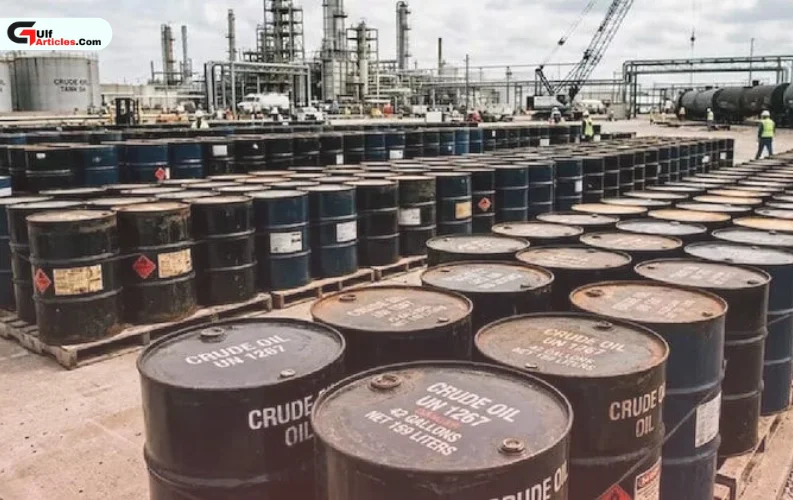


Global oil markets surged sharply on Monday, with benchmark crude prices climbing to multi-year highs as escalating geopolitical tensions in the Middle East intensified concerns over supply disruptions. US West Texas Intermediate (WTI) crude rose above $114 per barrel, overtaking Brent crude — an uncommon market inversion that signals mounting stress in global oil supply chains. Brent, the international benchmark, traded above $111, while UAE Murban crude climbed past $114.8, reflecting strong demand for readily deliverable barrels.
Russian Urals crude also remained elevated at $121.17, marking a significant daily gain of over 14%, as traders priced in heightened risk across energy markets. Natural gas prices edged higher as well, pointing to broader tightening in global energy supply.
The sharp rally is being driven by escalating geopolitical uncertainty, particularly linked to ongoing conflict dynamics in the Middle East and rising tensions involving Iran. Market participants are increasingly concerned about potential disruptions through the Strait of Hormuz, a critical chokepoint responsible for a substantial share of global oil shipments.
The unusual price inversion between WTI and Brent highlights growing logistical concerns. Typically, Brent trades at a premium due to its ease of global shipment. However, with risks surrounding maritime routes, US crude is being viewed as more accessible, pushing its price above Brent.
Analysts say the market is now factoring in a significant “war-risk premium,” reflecting fears not just about supply availability but also about the ability to transport oil efficiently. Recent political signals, including continued pressure on Iran, have further heightened uncertainty and reinforced expectations of prolonged disruptions.
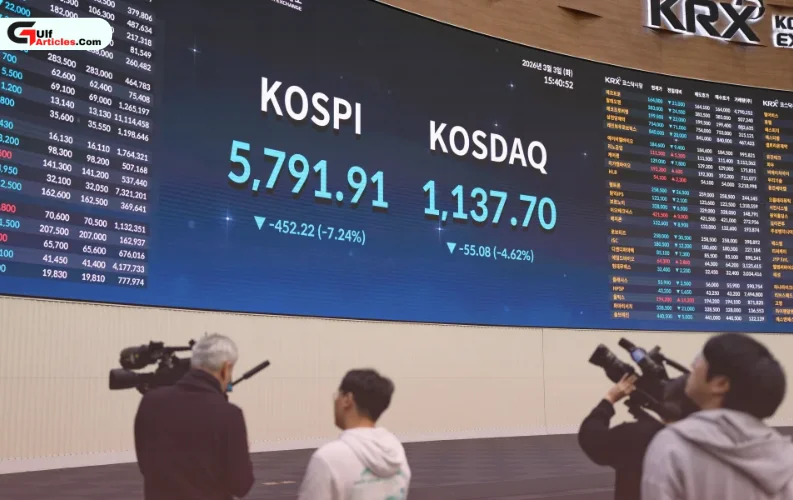
The surge in oil prices is expected to have widespread economic implications. Higher energy costs could fuel inflation globally, impacting fuel prices and industrial costs, particularly in energy-importing economies. Financial markets have already shown signs of volatility, with gains in equities partially reversing amid rising oil risks.
While brief optimism around potential de-escalation has triggered short-lived rallies, underlying concerns about supply disruptions continue to dominate market sentiment.