
Skip to content

Discover a different perspective

News

Oil Prices Fall Nearly 3% After Trump Signals Reduced Risk of Iran Conflict

Oil Prices Fall Nearly 3% After Trump Signals Reduced Risk of Iran Conflict
Share this article
Text size 14px
Comment

Global oil prices dropped sharply on Thursday after comments from Donald Trump eased immediate fears of US military action against Iran, prompting traders to unwind part of the geopolitical risk premium built up over recent days.

Brent crude fell by nearly 3%, pulling back 2.66% to trade around $64.75–$65 per barrel in early Asian hours. US benchmark West Texas Intermediate (WTI) also declined 2.69%, hovering close to $60 per barrel, according to market data around 02:12 GMT.

The sell-off followed remarks by President Trump late on Wednesday, in which he said he had received assurances that killings linked to Iran’s crackdown on protests had been halted. While Trump said he would continue to “watch it and see,” markets interpreted the comments as reducing the likelihood of imminent US military intervention.

Oil prices had rallied strongly over the past week, gaining around 10–11%, as investors priced in the risk of escalating tensions with Iran, a key producer within OPEC. Any disruption to Iranian supply had been seen as a potential threat to global oil flows.

The pullback was also reinforced by broader market fundamentals. Data from the U.S. Energy Information Administration showed larger-than-expected builds in US crude and gasoline inventories, adding to concerns about near-term oversupply.

Additional pressure came from the resumption of Venezuelan oil shipments following recent policy shifts, increasing the prospect of more barrels entering the global market. Analysts also point to growing expectations of a supply surplus in 2026, with several banks forecasting weaker prices ahead.

Goldman Sachs, for example, has projected lower average oil prices next year, citing rising non-OPEC supply and moderating demand growth.

Despite the latest decline, analysts say oil markets remain sensitive to developments in the Middle East, with traders closely monitoring political signals from Washington and Tehran for any indication of renewed escalation.


Comments 0

No comments yet. Be the first to share your thoughts.

Leave a comment

Your email is never published. All fields are required.

Related Stories

Continue reading from Gulf Articles

NBQ Ranks Among World’s Top Performing Banks in 2026 by Forbes

NBQ Ranks Among World’s Top Performing Banks in 2026 by Forbes

National Bank of Umm Al Qaiwain (NBQ) has secured fifth place globally in the small banks category of Forbes’ World’s Top Performing Banks 2026 ranking. The recognition places the UAE-based lender among the leading financial institutions in its asset category, highlighting its financial performance and balance-sheet resilience.

UAE NRIs Weigh Investment Options as India Considers Stock Market Tax Changes

UAE NRIs Weigh Investment Options as India Considers Stock Market Tax Changes

Non-Resident Indians (NRIs) living in the United Arab Emirates are reassessing their Indian investment strategies as the government considers possible changes to taxes on stock market investments. The discussion has gained momentum following Finance Minister Nirmala Sitharaman's remarks that the government is willing to consider investors' concerns about existing market levies.

Emirates SkyCargo Launches AI Cargo Service After Moving 700 Tonnes in July

Emirates SkyCargo Launches AI Cargo Service After Moving 700 Tonnes in July

Emirates SkyCargo has launched a dedicated air freight service for artificial intelligence infrastructure after transporting more than 700 tonnes of AI-related equipment across its global network in July 2026. The new service, named AI Tech, is designed to meet growing demand for the transportation of high-value and sensitive technology equipment used in data centres and AI computing systems.

Metro Manila Condo Rents Could Fall to ₱5,000 as Oversupply Intensifies

Metro Manila Condo Rents Could Fall to ₱5,000 as Oversupply Intensifies

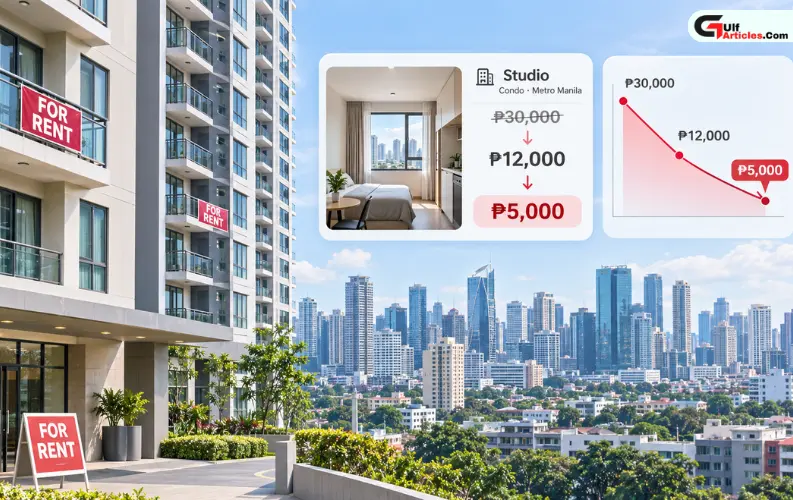
Condominium rental prices in Metro Manila could decline to as low as ₱5,000 ($78) per month for some studio units over the next 12 months, according to David Leechiu, chief executive and co-founder of Leechiu Property Consultants. The forecast highlights growing pressure in the Philippines' residential property market as excess housing supply increases competition among landlords.