
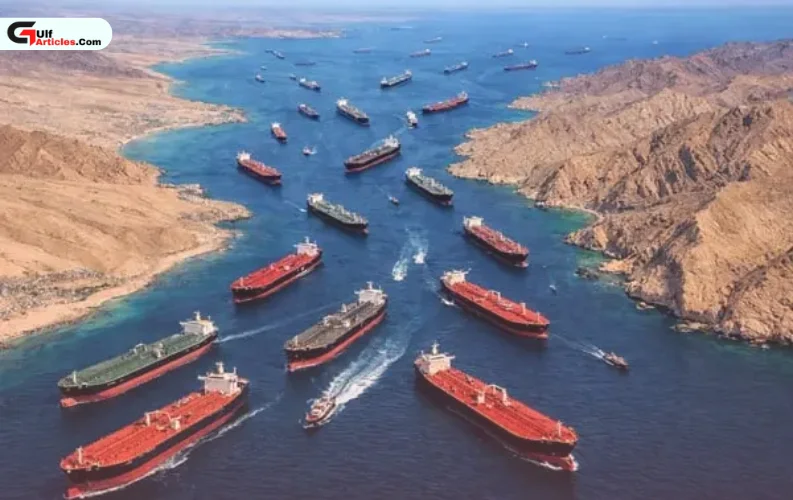
Oil and gas production in the Middle East is expected to take months to recover despite a ceasefire, as logistical challenges and infrastructure damage continue to slow progress. Around 11 million barrels per day of oil production remain shut across the region, with recovery dependent on the restoration of safe shipping routes, particularly through the Strait of Hormuz.
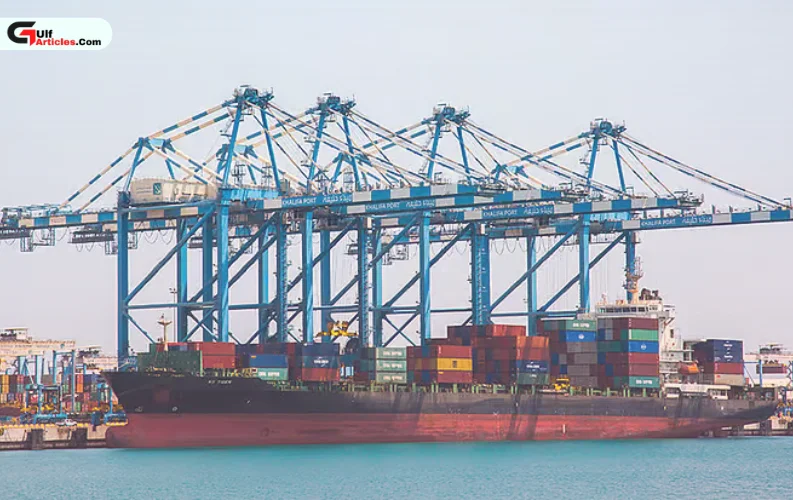
Tanker movement remains uncertain, with ship operators cautious about resuming transit due to the risk of renewed conflict. Port constraints and limited storage capacity are also delaying the loading and movement of oil.
Storage capacity varies across countries, with the UAE and Saudi Arabia holding about a month of reserves, while Iraq and Kuwait have less than two weeks. This is expected to result in an uneven restart of production across the region.
Analysts say Iraq could take six to nine months to return to pre-conflict production levels due to operational and reservoir challenges. Experts also warned that rushing production could cause long-term damage to oil fields.
The conflict has damaged more than 40 energy assets across nine countries, further complicating recovery efforts. In some cases, repairs could take years, including major gas facilities in Qatar.
Gas recovery is expected to lag behind oil, with several LNG shipments still stranded and key infrastructure requiring extended repair work. Full restoration of some facilities could take until late summer or beyond.
Restart timelines vary depending on the scale of operations. Smaller oil fields may resume within two to three weeks, while larger fields could take up to five weeks. Refineries could restart within 10 to 15 days if no major damage is found.
Analysts said recovery will follow a phased approach, beginning with restoring shipping routes, clearing storage bottlenecks, and gradually increasing production while repairing damaged infrastructure.