
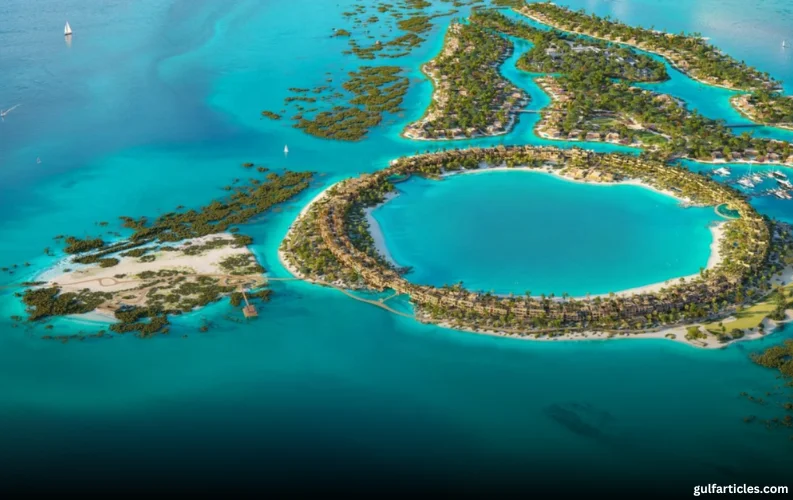
Saudi Arabia’s Red Sea Global (RSG), the visionary developer behind the Kingdom’s flagship regenerative tourism initiative, has announced the launch of Laheq Island, marking its first residential-focused luxury destination under The Red Sea project.
Scheduled to open in 2028, Laheq Island signals a strategic shift for RSG — from hospitality-centric developments to resort-style permanent living. The project will offer private residences, luxury amenities, and a strong commitment to sustainability, in alignment with the Kingdom’s Vision 2030 transformation plan.
“Laheq represents our evolution into building integrated communities,” said John Pagano, CEO of Red Sea Global. “It reflects our long-term commitment to enhancing quality of life while attracting local and international investment.”
A New Era of Luxury Living
Situated off Saudi Arabia’s western coastline, Laheq Island is designed to offer a self-sustaining, vibrant coastal lifestyle. Key features include:
-
Private residences
-
Two luxury hotels
-
A 115-berth marina
-
Beach clubs, wellness centres, sports facilities, and a golf course
-
A traditional souq and dining venues for cultural immersion and community life
The development will be operated entirely on renewable energy, and incorporate environmental initiatives such as coral reef regeneration and mangrove restoration, consistent with Red Sea Global’s ecological commitments.
“The Ring” – A Landmark Design
The master plan for Laheq Island has been created by world-renowned architects Foster + Partners. At the heart of the island will be “The Ring,” an 800-meter circular structure surrounding a central lagoon. The futuristic design will host apartments, boutique hotels, and curated retail outlets — all enveloped in lush, natural landscapes inspired by the “Forever Garden” concept.
The project will be managed by Red Sea Residences, a newly created arm under the RSG umbrella, dedicated to overseeing residential operations and long-term community development.
Transforming the Red Sea Coastline
Laheq Island is part of the larger Red Sea project, a cornerstone of Saudi Arabia’s push to position itself as a luxury tourism and residential destination. When completed in 2030, The Red Sea will feature:
-
50 resorts
-
Over 1,000 residential properties
-
A wide range of cultural, recreational, and ecological initiatives
The Red Sea region has already attracted significant international interest, particularly as it integrates sustainable development, cutting-edge design, and strategic tourism growth.
Sustainability at Its Core
Much like other Red Sea developments, Laheq Island will adopt strict sustainability practices — from 100% renewable energy use to preserving local marine biodiversity. The announcement follows the recent opening of Saudi Arabia’s Red Sea International Airport, where airlines are now permitted to refuel with Sustainable Aviation Fuel (SAF).
“Laheq is more than just a destination — it’s a blueprint for responsible luxury living,” said a spokesperson for RSG.
Snapshot: Laheq Island Highlights
-
Launch year: 2028
-
Developer: Red Sea Global (RSG)
-
Operated by: Red Sea Residences
-
Energy source: 100% Renewable
-
Master plan: Foster + Partners
-
Unique feature: The Ring – 800m lagoon-surrounding hub
-
Total Red Sea project (by 2030): 50 resorts, 1,000+ residences
As Saudi Arabia continues to diversify its economy and reposition itself on the global map, Laheq Island stands out as a transformative project — merging luxury, liveability, and sustainability on the tranquil shores of the Red Sea.











Comments 0
No comments yet. Be the first to share your thoughts.
Leave a comment
Your email is never published. All fields are required.