

Airlines across Europe and global markets are cancelling flights, raising fares, and reducing routes as a worsening jet fuel crisis disrupts the aviation sector. The supply crunch is being driven by a sharp drop in global oil availability linked to ongoing geopolitical tensions affecting key energy routes, including the Strait of Hormuz. The disruption has removed millions of barrels of oil per day from global supply, tightening fuel availability.
Industry analysts say aviation is among the most vulnerable sectors, as rising fuel costs are quickly passed on to passengers. Higher ticket prices are already impacting travel demand, particularly for leisure routes.
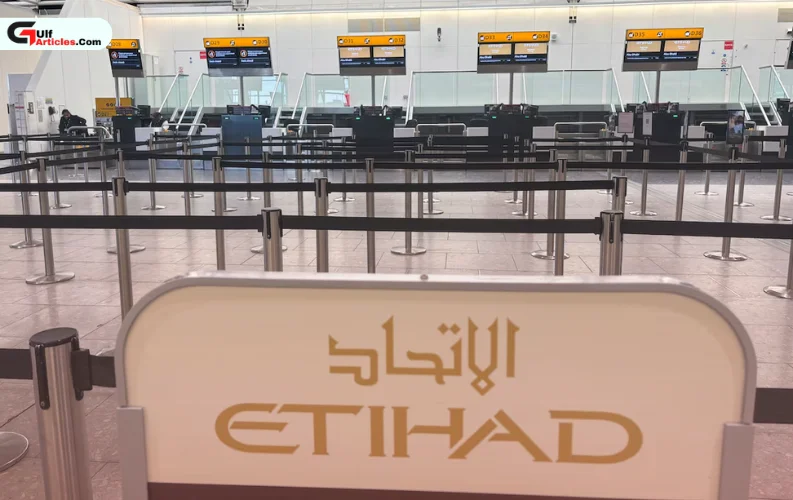
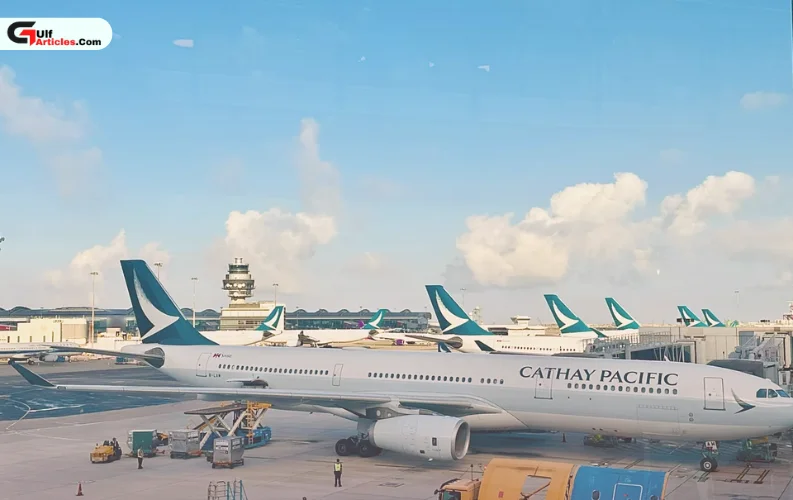
Several major airlines have begun adjusting operations. Carriers including Air France-KLM, Cathay Pacific, Thai Airways, and United Airlines have either increased fares, added fuel surcharges, or reduced flight capacity. Some airlines have also announced route cuts where operating costs can no longer be sustained.
In Europe, the crisis has begun affecting airport operations. Airports in northern Italy have introduced fuel restrictions, prioritising emergency, medical, and long-haul flights. Short-haul services are facing strict fuel limits, forcing operational adjustments and additional refuelling requirements.
Airlines have warned that the situation could worsen if supply disruptions continue. Several carriers are preparing contingency plans, including grounding aircraft, reducing flight frequencies, and scaling back expansion plans ahead of the peak summer travel season.
The financial impact is also mounting. Rising fuel costs are expected to significantly increase operating expenses across the industry, putting pressure on profitability and forcing further fare increases.
Energy analysts caution that while existing reserves are currently cushioning the market, prolonged disruption could lead to deeper shortages of jet fuel and diesel in the coming weeks.
If the crisis persists, the aviation sector could face widespread cancellations, higher travel costs, and reduced connectivity globally, particularly during the upcoming peak travel season.