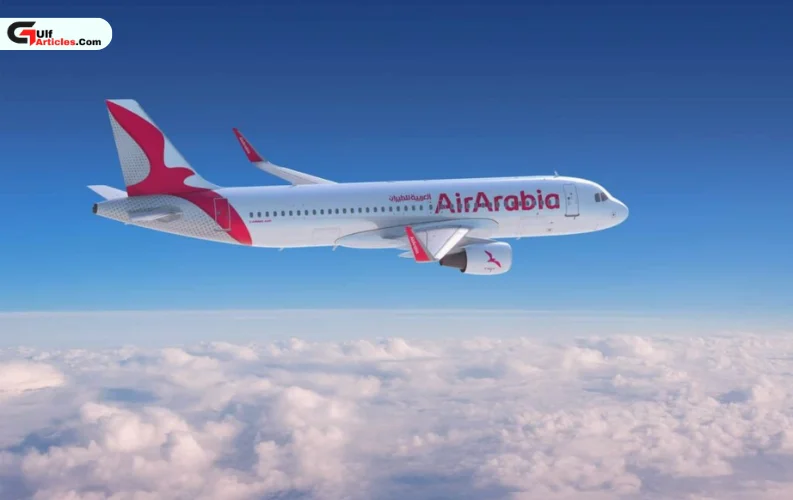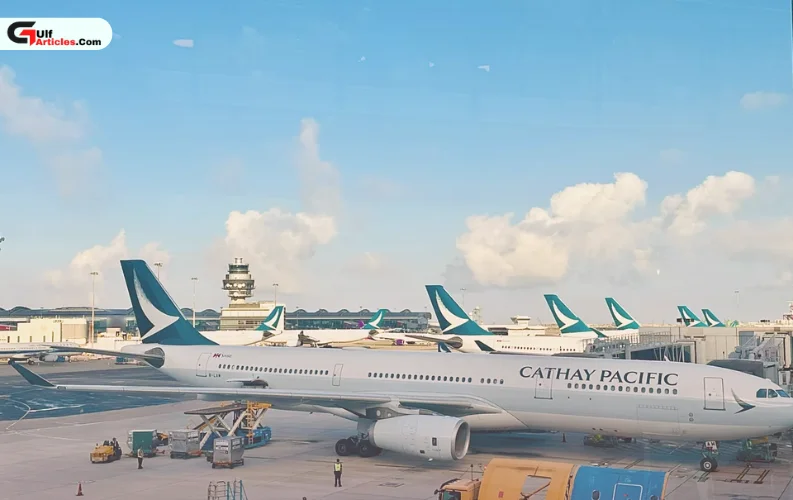

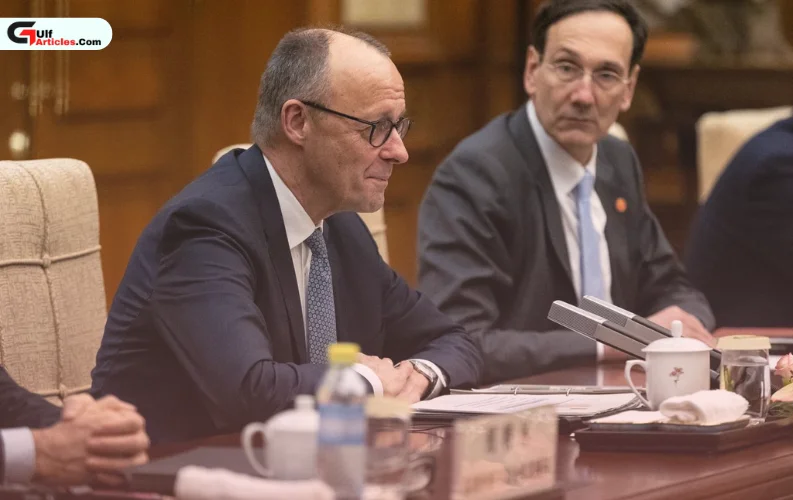
German Chancellor Friedrich Merz said China has agreed to purchase up to 120 aircraft from European aviation giant Airbus, following high-level talks with Chinese President Xi Jinping in Beijing.
Speaking to reporters after meetings with Chinese leaders, Merz described the agreement as a sign of strong economic cooperation between Berlin and Beijing. He added that additional contracts were also under discussion, though details were not disclosed.
The visit comes as Germany and China seek to reinforce decades-old trade relations at a time of heightened global economic uncertainty. Recent tariff measures and shifting foreign policy signals from US President Donald Trump have prompted several Western nations to reassess trade strategies and diversify partnerships.
China, now the world’s second-largest economy, overtook the United States last year to become Germany’s largest trading partner. However, Berlin continues to describe Beijing as both a key economic partner and a systemic rival.
During the meetings, Merz and Xi expressed commitment to strengthening strategic cooperation. Merz called the trip a “great opportunity” to expand economic ties, while Xi said he was ready to elevate bilateral relations to “new levels.”
The two leaders also discussed the war in Ukraine. According to China’s state news agency Xinhua, Xi emphasized that diplomacy remains central to resolving the conflict and called for equal participation of all parties to support peace efforts.
Merz said he hopes to resume regular government consultations between Germany and China, which were disrupted by domestic political developments and the COVID-19 pandemic.
At a meeting with Chinese Premier Li Qiang in the Great Hall of the People, Merz stressed the need for “fair” economic cooperation. Agreements and memorandums were signed in areas including climate change and food security.
Li, in remarks seen as directed at Washington, criticized unilateralism and protectionism, saying such approaches have become more common in certain regions.
Trade tensions between China and Europe remain a concern. European companies have raised complaints about industrial overcapacity, state subsidies, and restricted access to Chinese markets. Germany’s trade deficit with China reached a record €89 billion ($105 billion) last year.
Merz is accompanied by a delegation of senior business leaders, including executives from major German automakers Volkswagen, BMW, and Mercedes-Benz.
On Thursday, the chancellor is scheduled to visit Beijing’s Forbidden City before touring a Mercedes facility showcasing autonomous driving technologies. He will also travel to Hangzhou, a major technology hub, to visit robotics firm Unitree Robotics and German energy technology company Siemens Energy.
German industry representatives have urged Merz to address concerns related to competition, export controls on critical raw materials, and market distortions. Business leaders are calling for structural reforms in China to stimulate domestic demand and create fairer trading conditions.
Analysts say the aircraft deal underscores continued economic interdependence between Europe and China, even as political differences and trade imbalances remain unresolved.