

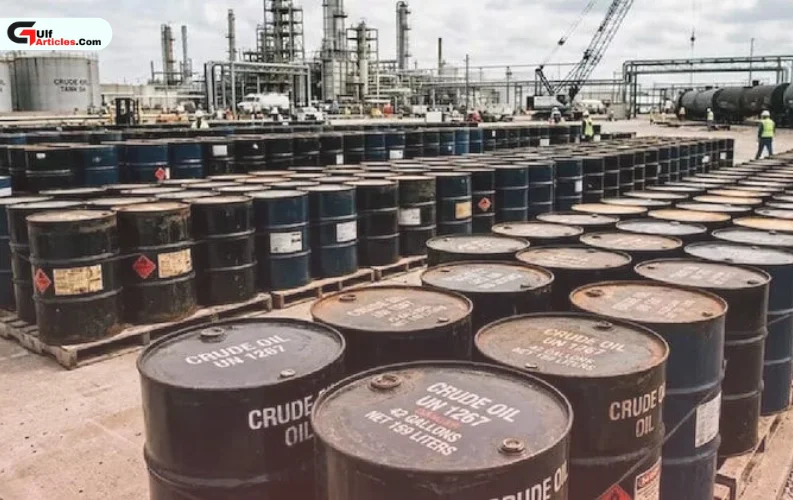
Global oil markets are undergoing a sharp realignment as Russia emerges as a key beneficiary of supply disruptions triggered by the closure of the Strait of Hormuz amid escalating tensions in the Middle East. Russian Urals crude surged to $123.45, marking a gain of over 6%, while Brent crude climbed to $109.03, rising nearly 8% in the wake of renewed geopolitical uncertainty following remarks by Donald Trump on the Iran conflict.
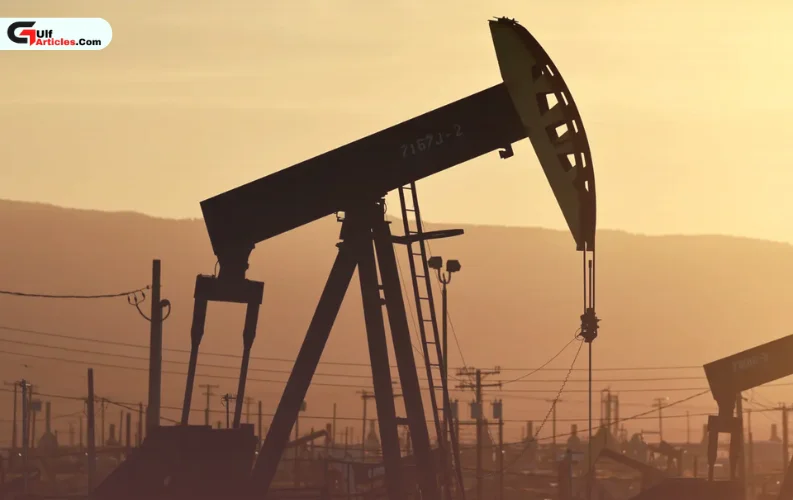
The spike in prices reflects growing concern over constrained oil flows through the Strait of Hormuz, a critical global energy chokepoint responsible for a significant share of the world’s oil shipments. Disruptions in this corridor have sharply reduced the availability of Gulf crude, pushing buyers to seek alternative sources.
Russia has moved quickly to fill this gap. Its flagship Urals blend, traditionally exported from Baltic and Black Sea ports, is seeing a surge in demand, particularly from Asian markets facing supply shortages due to the ongoing conflict.
This shift marks a notable reversal in global energy dynamics. Western efforts to limit Russia’s oil revenues through sanctions are facing renewed strain as market conditions drive buyers back toward Russian supplies.
Until recently, Urals crude traded at a significant discount to Brent, often around $20 per barrel. However, the current supply shock has narrowed—and in some cases reversed—that gap, with Russian crude now commanding higher premiums amid strong demand.
India, one of the world’s largest crude importers, has emerged as a key buyer in this evolving landscape. Reports indicate that Indian refiners have increased purchases of Russian oil, taking advantage of available cargoes despite earlier commitments to reduce dependence.
The shift has been supported by temporary policy adjustments, including a short-term license issued by U.S. authorities allowing the delivery of previously sanctioned Russian shipments. This has enabled buyers to secure supply amid tightening global markets.
Analysts warn that the situation could weaken the cohesion of the sanctions framework aimed at curbing Moscow’s energy revenues. As supply constraints persist, economic priorities may increasingly outweigh geopolitical alignment for major importers.
In the meantime, Russia is positioning itself as a reliable alternative supplier, particularly for energy-hungry Asian economies seeking to offset disruptions in Middle Eastern supply.
As the conflict continues to impact global trade routes and energy flows, oil markets are likely to remain volatile, with pricing increasingly influenced by geopolitical developments and shifting supply chains.