

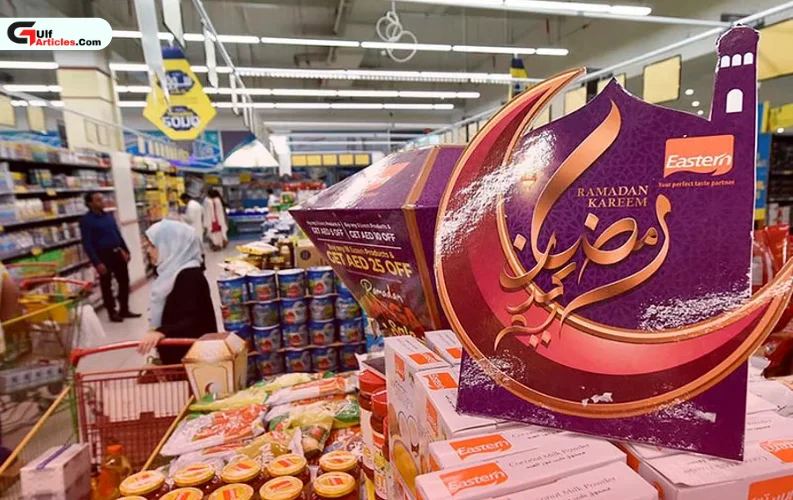
Retailers across the UAE are preparing for one of the busiest shopping weekends of the year, as residents complete their final purchases ahead of Ramadan. From hypermarkets to neighbourhood groceries and malls, footfall is expected to surge as households stock up on essentials, dining supplies and festive goods.
The pre-Ramadan spike is a well-established seasonal trend. However, this year’s shopping behaviour reflects a noticeable shift toward planned, value-driven purchases, supported by stronger price oversight and extensive promotional campaigns.
Food and grocery categories are projected to dominate sales volumes over the weekend. Demand traditionally intensifies in the days leading up to the holy month as families prepare for iftar gatherings, increased home cooking and hospitality. Staples such as rice, flour, cooking oil, dates, beverages and frozen foods typically see significant volume growth.
Fatima Zohra Bekri, CEO and founder of Tissist, said the weekend consistently delivers one of the strongest retail surges of the year. According to her, consumers are making fewer shopping trips but purchasing significantly larger quantities per visit.
“Consumers are consolidating their shopping into fewer trips, but with significantly larger basket sizes,” she said, noting that households are preparing not only for daily meals but also for extended hosting and social gatherings.
Beyond practical preparations, there is also a psychological dimension to the rush. Many shoppers prefer to enter Ramadan feeling prepared and organised, which translates into decisive buying behaviour and heavier traffic across major retail destinations.
Promotions Fuel Momentum
Pre-Ramadan promotional campaigns are playing a central role in drawing shoppers into stores. Retailers have rolled out bulk discounts, bundle offers and multi-buy deals to encourage early purchasing.
Vijay Valecha, Chief Investment Officer at Century Financial, said promotional activity continues to influence footfall, though consumer habits have matured compared to previous years.
“Promotions still drive footfall and spending, but it’s less about impulse buying now,” he said. “It’s more planned, value-focused shopping, enjoying the festive season while keeping finances in check.”
This more measured approach is evident in the way households are comparing prices, opting for larger value packs and making use of digital tools. App-based cashback schemes, loyalty rewards and price-comparison platforms are increasingly shaping purchasing decisions.
Retail analysts note that government price monitoring measures have also strengthened consumer confidence. Clear pricing policies and tighter oversight of essential goods have reduced panic buying and excessive price fluctuations that were once common during peak demand periods.
Convenience and Bulk Buying on the Rise
Another visible trend is the growing preference for convenience-focused options. Ready-to-cook meal kits, pre-assembled Ramadan grocery boxes and online delivery services are gaining traction, particularly among working families.
Retailers report higher pre-orders for curated Ramadan bundles that combine staple items into fixed-price packages. These bundles simplify planning and reduce the time spent navigating crowded aisles.
Bulk purchasing remains a defining feature of the weekend rush. Large family households in particular are buying in quantities designed to last throughout the month. While basket sizes are expanding, spending is increasingly strategic rather than impulsive.
Industry observers expect malls to see steady traffic not only in supermarkets but also in homeware and gifting categories. Dining essentials, decorative items and modest fashion collections typically experience a seasonal uplift as families prepare for gatherings and community events.
Seasonal Boost for Retail Sector
For the retail industry, the pre-Ramadan weekend represents a significant revenue window. While overall economic conditions remain stable, seasonal peaks such as this provide an important boost to quarterly performance.
Businesses have invested heavily in stock availability to avoid shortages and maintain smooth supply chains. Logistics operators and warehouse facilities have also ramped up activity to meet anticipated demand.
With Ramadan approaching, retailers are balancing promotional intensity with operational readiness. Crowd management, extended store hours and reinforced staffing schedules are expected across major shopping hubs.
As households finalise their preparations, the coming weekend is likely to confirm its reputation as one of the most active periods on the UAE retail calendar, driven by a mix of tradition, planning and competitive pricing.