
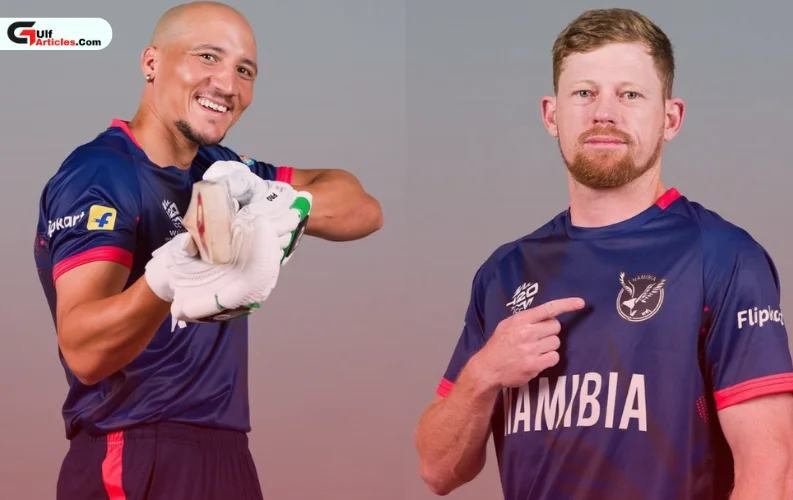
Dubai - Flipkart’s decision to sponsor Namibia’s cricket team for the ICC Men’s T20 World Cup 2026 has sparked debate across social media and business circles. The Indian e-commerce company does not operate in Namibia, leading many to question the reasoning behind the partnership.
However, the move appears to be a calculated marketing strategy rather than a random choice.
Namibia is placed in Group A of the tournament, where it will face India and Pakistan, two teams that attract massive television and digital audiences in India. At global tournaments like the T20 World Cup, all group-stage teams receive similar broadcast exposure. This ensures that sponsor logos are visible regardless of the team’s ranking.
By backing Namibia, Flipkart secures visibility during high-viewership matches without paying the premium associated with sponsoring the Indian national team.
Sponsorship costs for India’s team have risen sharply in recent years. In 2023, Dream11 won the lead sponsorship rights at ₹3.58 billion. In September 2025, Apollo Tyres secured the next cycle with a ₹5.79 billion bid, outbidding other major companies.
Compared to these figures, sponsoring an associate nation like Namibia is significantly more affordable while still offering national exposure.
Flipkart also supported the announcement with a campaign film created by Leo India, using humor to highlight the unexpected partnership. The campaign quickly gained attention online, generating additional publicity.
Marketing experts note that associate teams usually have fewer sponsor logos on their jerseys, allowing a single brand to stand out more clearly. This can improve brand recall during televised matches.
In a highly competitive e-commerce market, mass visibility during a major sporting event offers strategic value. What first appeared to be an unusual cricketing decision now reflects a numbers-driven marketing approach focused on reach, cost control and brand impact.