

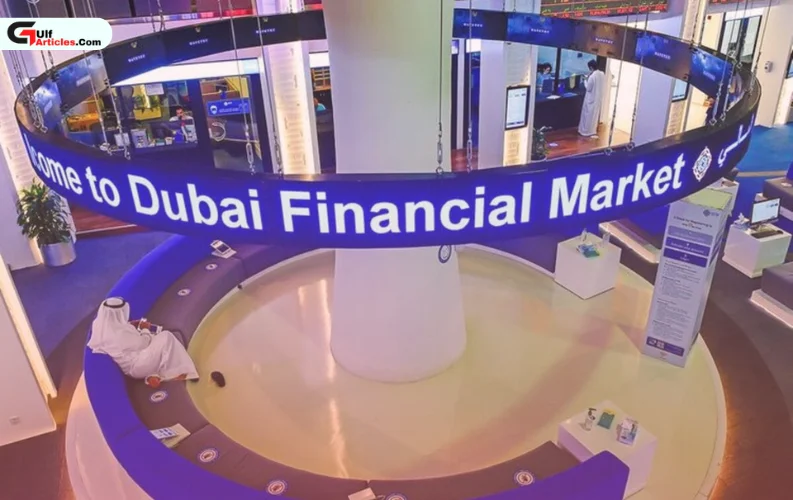
Investors who placed money in Dubai-listed shares at the start of 2026 have already seen steady gains, as the Dubai Financial Market (DFM) climbed more than 11 per cent so far this year.
In practical terms, a Dh10,000 investment at the beginning of January would now be worth approximately Dh11,100. A Dh50,000 portfolio would have increased to around Dh55,500, reflecting the broader market’s performance.
The rise marks one of the strongest starts to a year for Dubai’s stock market in more than a decade. Unlike markets that swing sharply on oil prices or global technology trends, Dubai’s gains have largely been supported by domestic economic activity.
Broad-Based Economic Support
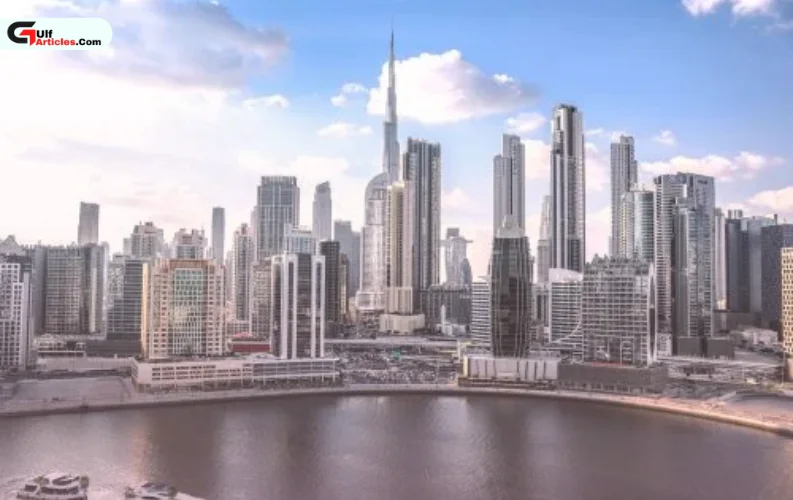
Dubai’s economy is driven primarily by non-oil sectors, including real estate, banking, retail, tourism and financial services. These sectors form the backbone of corporate earnings on the exchange.
Homes continue to be sold, hotels remain active with tourist inflows, and banks report strong lending activity. That steady economic momentum has translated into improved company revenues and investor confidence.
Unlike some regional markets that depend heavily on oil exports, Dubai generates roughly 95 per cent of its economic output from non-oil activities. This structure reduces direct exposure to commodity price swings and links performance more closely to population growth and business expansion.
Key Drivers Behind the Rally
A significant portion of this year’s gains came from two major listed companies.
Shares of Emirates NBD have risen about 33 per cent this year, supported by strong lending growth and stable profit margins. The bank’s performance has attracted investors seeking relatively stable returns within the financial sector.
Property developer Emaar Properties has also delivered double-digit gains, backed by solid property sales and continued demand across key segments. Together, these two companies accounted for roughly 60 per cent of the market’s overall rise this year.
Valuations Remain Moderate
Despite the rally, analysts note that Dubai’s stock market is not considered expensive compared with other emerging markets. The DFM trades at roughly 11 times expected earnings, compared to about 13 times in many broader emerging-market indices.
Over the past five years, Dubai equities have outperformed several emerging-market benchmarks while maintaining relatively moderate valuations. This combination of growth and reasonable pricing has kept investor interest intact.
Risks to Consider
Market observers caution that gains may not continue at the same pace throughout the year. Dubai’s exchange does not host large technology or artificial-intelligence companies that have driven rallies in other global markets.
Additionally, many of Dubai’s largest listed firms are mature businesses. While they offer stability, they typically grow steadily rather than rapidly.
However, some investors argue that Dubai’s limited exposure to oil volatility and its strong domestic growth model could help cushion the market during periods of global uncertainty.
What It Means for Residents
For UAE residents investing for long-term goals such as retirement, children’s education or wealth building, the current performance reflects gradual progress rather than speculative surges.
The market’s rise has been supported by everyday economic activity, people relocating to Dubai, purchasing homes, expanding businesses and increasing spending.
For many investors, the takeaway is not about chasing global trends but about steady, disciplined growth. So far in 2026, Dubai’s stock market has delivered just that.