

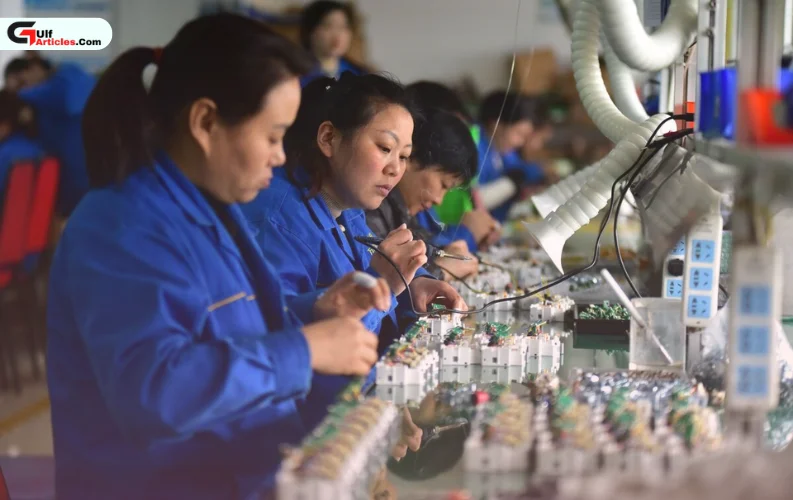
China’s manufacturing activity returned to growth in March, recording its strongest performance in a year as factory output and export orders picked up. The official Manufacturing Purchasing Managers’ Index (PMI) rose to 50.4, according to data released by the National Bureau of Statistics, surpassing market expectations. A reading above 50 indicates expansion, while below that signals contraction.
The latest figure marks a recovery after two consecutive months of contraction, when the index stood at 49.3 in January and 49.0 in February.
The rebound was supported by increased production and a rise in new orders, as factories resumed operations following the extended national holiday period. Export demand also showed strong momentum, contributing to the improved outlook.
However, some underlying indicators remained weak. Sub-indexes for employment, raw material inventories, and delivery times continued to reflect contraction, highlighting uneven recovery across the sector.
The services sector also showed signs of improvement, with the non-manufacturing PMI rising to 50.1 from 49.5 in the previous month.
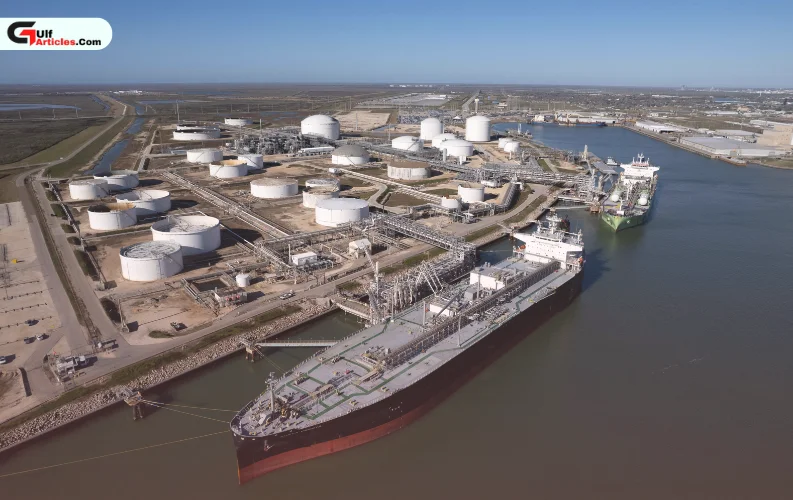
Analysts noted that rising global tensions, particularly the ongoing Middle East conflict, have pushed up shipping costs and prices of key imports such as crude oil and chemicals, adding pressure on manufacturers.
Despite these challenges, China’s strong export performance has provided support. Exports in the first two months of the year rose sharply, driven by demand from Southeast Asia and Europe.
Looking ahead, experts caution that prolonged geopolitical disruptions could impact supply chains and costs if current conditions persist in the coming months.