
Washington: The U.S. government has begun a formal review process that could allow Nvidia to ship advanced artificial intelligence chips to China for the first time, according to five sources familiar with the matter.
The review, launched under President Donald Trump’s administration, could pave the way for exports of Nvidia’s H200 AI chips, the company’s second-most powerful processors. The move follows Trump’s recent statement that he would permit such sales while imposing a 25% fee, arguing that the approach would help U.S. companies stay ahead of Chinese rivals.
The decision has drawn criticism from lawmakers and national security experts across party lines, who warn that allowing advanced AI chips into China could strengthen Beijing’s military capabilities and reduce the United States’ technological edge.
Review Process Underway
According to sources, the U.S. Commerce Department has sent license applications for Nvidia’s chip shipments to the State, Energy, and Defense Departments for review. Under U.S. export rules, those agencies have 30 days to provide feedback. If they fail to reach consensus, the final decision would rest with the president.
The review process has not been publicly disclosed before. Neither the Commerce Department nor Nvidia responded immediately to requests for comment. A White House spokesperson declined to comment directly on the review but said the administration remains committed to maintaining U.S. leadership in technology while protecting national security.
Policy Shift Raises Questions
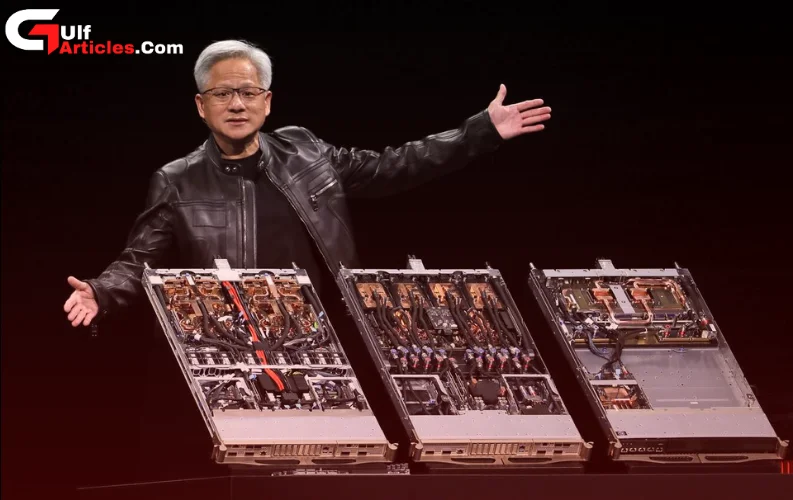
The H200 chips, while less powerful than Nvidia’s newest Blackwell processors, are widely used in the AI industry and have never previously been approved for sale to China. Reuters reported earlier that Nvidia was considering increasing H200 production after strong interest from Chinese buyers exceeded current manufacturing capacity.
Supporters within the administration argue that allowing controlled sales could reduce incentives for Chinese firms, such as Huawei, to accelerate development of domestic alternatives. Critics, however, say the move risks undermining years of export controls designed to limit China’s access to advanced U.S. technology.
The review marks a notable shift from Trump’s earlier stance during his first term, when his administration imposed strict limits on Chinese access to U.S. technology, citing concerns over intellectual property theft and military use, claims Beijing has repeatedly denied.