
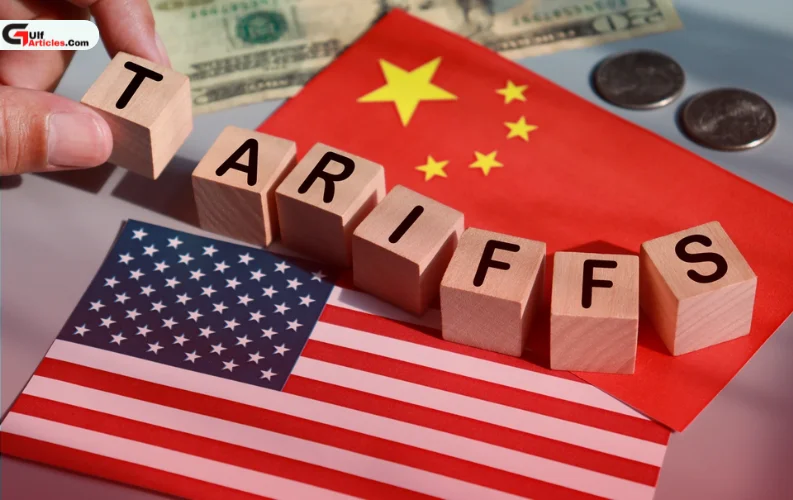
The United States has announced plans to impose additional tariffs on semiconductor imports from China beginning in June 2027, according to a notice published Tuesday in the Federal Register.
The move follows a year-long investigation by the Office of the U.S. Trade Representative, which concluded that China has engaged in unfair trade practices within the semiconductor industry. While the tariff rate has not yet been set, U.S. officials said it will be determined at least one month before implementation.
In the interim, semiconductor imports from China will carry a zero percent tariff rate for an initial 18-month period, providing temporary relief for companies reliant on existing supply chains.
“For decades, China has targeted the semiconductor industry for dominance and has employed increasingly aggressive and sweeping non-market policies and practices in pursuing that goal,” the trade representative’s office said in the filing.
The decision to delay the tariffs suggests the administration is seeking to avoid immediate escalation in trade tensions between Washington and Beijing, even as it signals a firmer stance in the longer term.
The announcement builds on a process initiated during the Biden administration under Section 301 of the Trade Act, which focuses on older and legacy semiconductor products. The newly specified timeline is intended to provide clarity for U.S. companies monitoring potential cost and supply-chain impacts.
Trade relations between the two countries have remained sensitive despite an October truce reached by Donald Trump and Xi Jinping, which included reduced tariffs on certain goods and the resumption of Chinese rare-earth exports.
Officials indicated that the delayed tariffs could also serve as leverage in future negotiations should trade talks falter. The planned semiconductor duties are separate from other potential tariffs being considered under Section 232 of U.S. trade law.
Tariffs are scheduled to take effect on June 23, 2027, barring any further policy changes.