
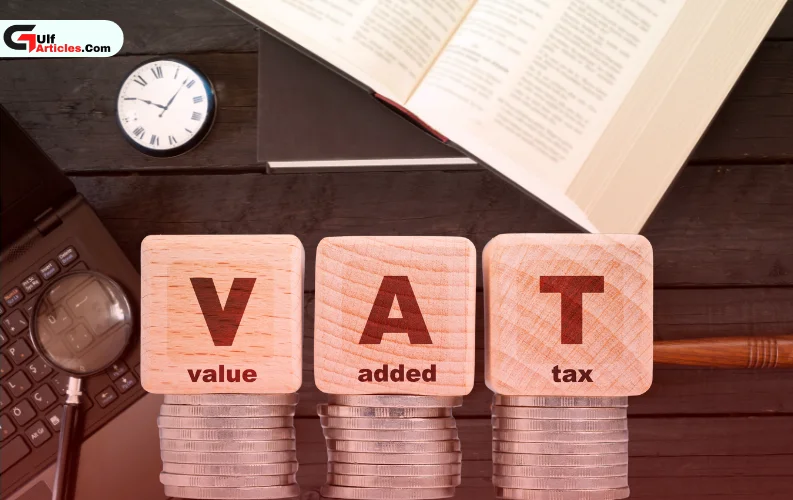
Businesses involved in buying or selling scrap metal in the UAE will see a major change in how Value Added Tax (VAT) is handled from January 14, 2026, following a new government decision aimed at reducing tax fraud and improving compliance.
The Ministry of Finance has announced Cabinet Decision No. 153 of 2025, introducing a reverse charge mechanism for scrap metal transactions between VAT-registered businesses. Under the new system, the responsibility for accounting and paying VAT will shift from sellers to buyers.
Currently, scrap metal suppliers charge VAT on sales and remit it to the Federal Tax Authority. From January 14, sellers will no longer charge VAT on eligible scrap metal supplies. Instead, buyers will be required to account for the VAT directly in their tax returns.
The rule applies only to transactions where both the buyer and seller are VAT-registered and covers purchases made for resale as well as scrap intended for processing into new materials.
According to the Ministry of Finance, the move is designed to curb fraudulent practices that have affected the scrap metal trade, streamline VAT refunds, and strengthen transparency across the sector. Similar reverse charge systems are already in place in the UAE for electronic devices, gold, and other precious metals, where they have proven effective.
To comply with the new requirements, buyers must provide suppliers with a written declaration confirming that the scrap metal is being purchased for resale or processing and that they are registered with the FTA. Sellers, in turn, must verify the buyer’s VAT registration, retain the declaration, and clearly note on invoices that the reverse charge mechanism applies.
Although no new penalties were announced alongside the decision, the changes fall under existing VAT legislation. Businesses that fail to comply may face fines under current tax laws.
Companies operating in the scrap metal sector are advised to update their accounting systems and internal procedures ahead of the January deadline to ensure a smooth transition.