


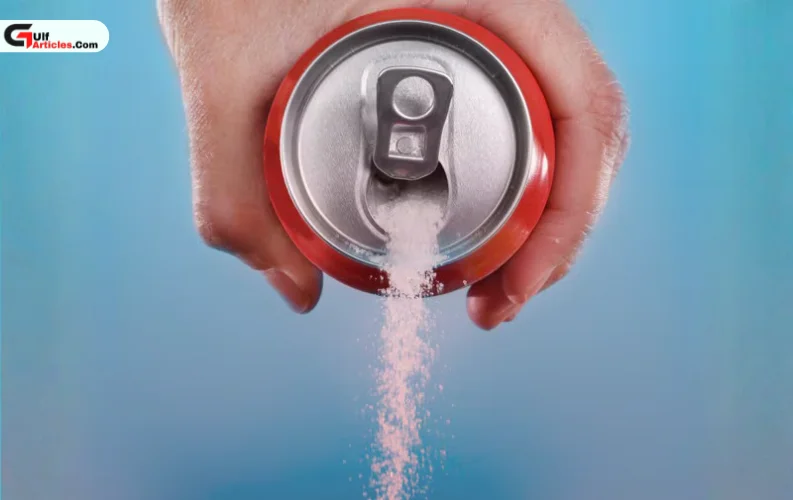
Drink prices across the United Arab Emirates are beginning to shift following the rollout of a new sugar-based excise tax system, with early changes visible on supermarket shelves as of January.
The reform, which took effect on January 1, replaces the UAE’s long-standing flat 50% excise tax on sweetened beverages with a tiered system that links taxation directly to sugar content per litre. The move marks the first time excise duty on drinks in the UAE has been calculated based on formulation rather than retail price.
Under the new framework, beverages with higher sugar concentrations face higher excise charges, while low-sugar and artificially sweetened drinks are exempt. Energy drinks remain subject to a separate 100% excise tax on retail price.
Retailers and analysts say the change is already affecting pricing structures. Diet sodas and several premium beverages are becoming cheaper, while some low-cost, high-sugar drinks are rising in price.
A standard 330ml can of full-sugar cola now attracts roughly 36 fils in excise tax, compared with about 83 fils under the previous system. In contrast, zero-sugar drinks that were previously taxed at 50% of retail value are now exempt, leading to noticeable price reductions as newly taxed inventory reaches stores.
The impact is also being felt at the lower end of the market. Under the volumetric model, a one-litre high-sugar drink carries Dh1.09 in excise duty regardless of its retail price. Retail audits since January indicate some budget sugary drinks have risen by 20% to 40%, narrowing the price gap between unbranded products and international brands.
Health authorities have described the reform as part of a broader strategy to reduce sugar consumption and address non-communicable diseases. Industry analysts say beverage producers are increasingly reformulating products to reduce sugar content and fall into lower tax brackets.
Retailers caution that price changes may continue over the coming weeks, as stock imported before January 1 under the old tax regime clears through supply chains. As new shipments replace older inventory, differences between diet, moderate-sugar and high-sugar drinks are expected to become more consistent across supermarkets, cafés and convenience stores.