
A years-long shift in global manufacturing away from China has accelerated to a decisive turning point, according to new data showing a dramatic reduction in U.S. sourcing from China and its neighbors. The change, which began during Donald Trump’s first term and intensified under subsequent tariff rounds, is now reshaping supply chains across Asia and pressuring U.S. companies’ balance sheets.
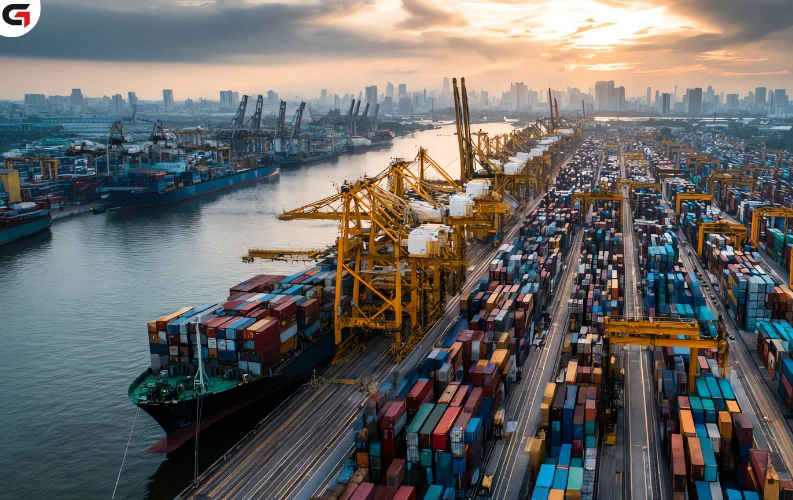
Wells Fargo Supply Chain Finance found that the share of supplier volume from China, Hong Kong and Korea has fallen from 90% to 50% over the past decade. The trend reflects sustained diversification as companies redirect production toward South and Southeast Asia.
“From 2018 to 2020, supplier diversification away from China nearly doubled after the first tariff actions,” said Jeremy Jansen, head of global originations at Wells Fargo Supply Chain Finance. He noted a steady migration of midsize suppliers into Taiwan, Vietnam, Indonesia, Thailand, India and Malaysia.
South Asia Pacific emerges as the new manufacturing hub
Trade data reinforces the shift. Imports from China to the United States have dropped 26% year over year, according to SONAR. At the same time, exports from China to other Asian manufacturing hubs have surged.
Project44 data shows Chinese trade flows jumping:
-
29.2% to Indonesia
-
23% to Vietnam
-
19.4% to India
-
4.3% to Thailand
In turn, U.S. container volumes from these countries have risen sharply, with Vietnam up 23%, Thailand 9.3%, and Indonesia 5.4% year over year.
HSBC described these shifts as the rise of “new trade corridors” driven by booming intra-Asia trade, as companies seek alternatives to China amid tariff uncertainty and geopolitical friction.
Tariffs squeeze U.S. importers
The broader economic impact of Trump’s tariff strategy is now increasingly visible on corporate balance sheets. With a Supreme Court ruling pending on the legality of the tariffs, and several companies suing for refunds, businesses are already facing rising costs and tightening cash positions.
“We have seen an increase in working capital needs post-Liberation Day due to higher tariffs,” said Ajit Menon, head of HSBC’s U.S. trade finance business. “The average tariff increased from 1.5% to double digits.”
Menon noted that industries with thin margins, including pharmaceuticals and apparel, are particularly vulnerable. Many importers are renegotiating payment terms or seeking financing to offset tariff-driven cash strain.
HSBC, which finances more than $850 billion in global trade annually, launched its Trade Pay platform earlier this year to help companies monetize receivables, payables and inventory. Since Trump’s sweeping tariff expansion in April, Menon said the bank has seen a 20% increase in financing flows across all client segments.
A key factor: inventories that were frontloaded into the U.S. in early 2025 to beat tariff deadlines are now nearly depleted. “That means companies will need more working capital moving forward as terms get renegotiated,” Menon said.
Working capital crunch intensifies
In an HSBC survey of 1,000 U.S. companies, more than 70% reported rising working capital requirements this year. Menon said the pressure is prompting companies to re-evaluate supply-chain strategies and re-examine financing terms as tariff-driven cost inflation continues.
“They are looking into what rates they are paying, and also the financing duration,” he said. “Cash is becoming king.”