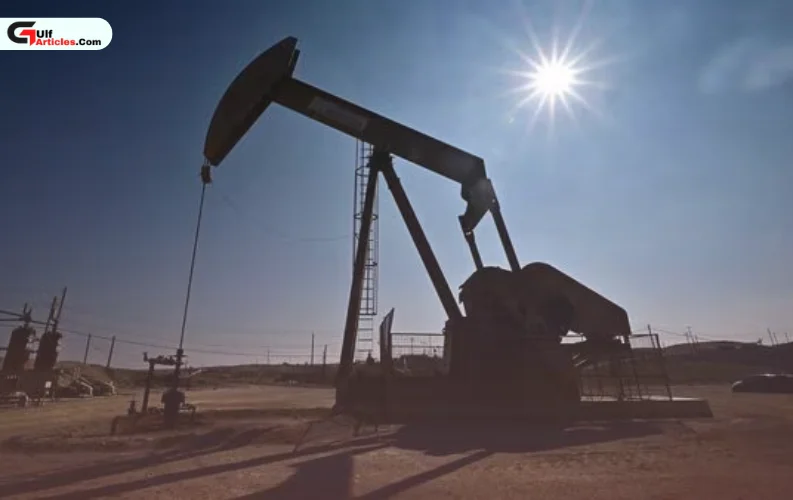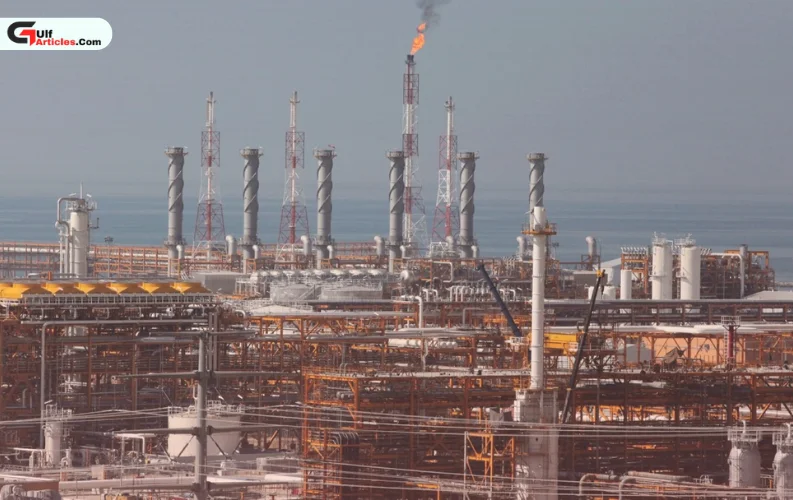

Dubai: Syria is set to announce a major oil and gas project with US energy company Chevron, as the country steps up efforts to attract foreign investment following years of conflict and economic isolation, according to the head of the Syria Investment Authority.
Talal Helali, chairman of the Syria Investment Authority, said the deal would be unveiled soon, speaking on February 4 during a panel discussion at the World Government Summit 2026 in Dubai.
“We are open to all countries, and any investor wishing to engage with the Syrian economy is warmly welcome,” Helali said during the session.
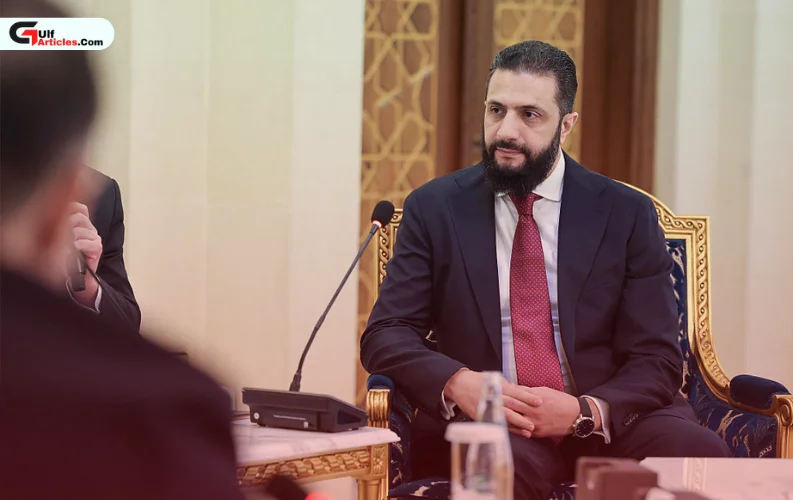
His remarks come as Syria’s interim leadership moves to rebuild the economy after the fall of Bashar Al Assad in December 2024. The country is currently in a transition phase under interim President Ahmed Al Sharaa, with the Syrian Transitional Government formed in March 2025.
Helali said a key step in reshaping Syria’s economic framework was the introduction of a new investment decree last year. Under the revised regulations, foreign investors are now allowed to own 100 percent of private projects without the requirement of a local partner.
The government has also moved to end state takeovers of private ventures, a practice that had previously discouraged foreign investment, Helali said.
“In this law, we have taken the best practices of some of the most successful countries, including the UAE, to adapt to Syria and attract investors,” he added.
The investment authority chief outlined a range of incentives aimed at reviving priority sectors. These include tax exemptions for agriculture and healthcare, as well as tax reductions of up to 80 percent for manufacturers that export at least half of their output.
Syria is also working to revive its tourism sector, Helali said, citing the country’s historical sites and natural landscape as long-term growth drivers.
He highlighted Aleppo as a potential hub for low-cost manufacturing, noting rising interest from international firms. On infrastructure, Helali said electricity supply has improved significantly, increasing from about three hours per day to roughly 13 hours during the transitional government’s tenure.
“Without stable and continuous power you cannot manufacture,” he said, adding that Syria aims to achieve 24-hour electricity supply nationwide by the end of 2026. He credited Azerbaijan as a key partner in gas and power generation support.
Helali also pointed to strong backing from regional partners, including the United Arab Emirates, Saudi Arabia, Qatar, and Turkey.
In October 2025, interim President Ahmed Al Sharaa said Syria had attracted approximately $28 billion in investments during the first six months of the year, with strong participation from Gulf-based companies.
Helali said Syria’s recovery strategy now hinges on expanding public-private partnerships, privatisation initiatives, and concessions following the lifting of sanctions.
While some investors remain cautious about the durability of reforms beyond the interim period, Helali said the direction would remain unchanged. “There is a lot of potential,” he said, adding that the reforms are aimed at restoring confidence and long-term economic stability.