
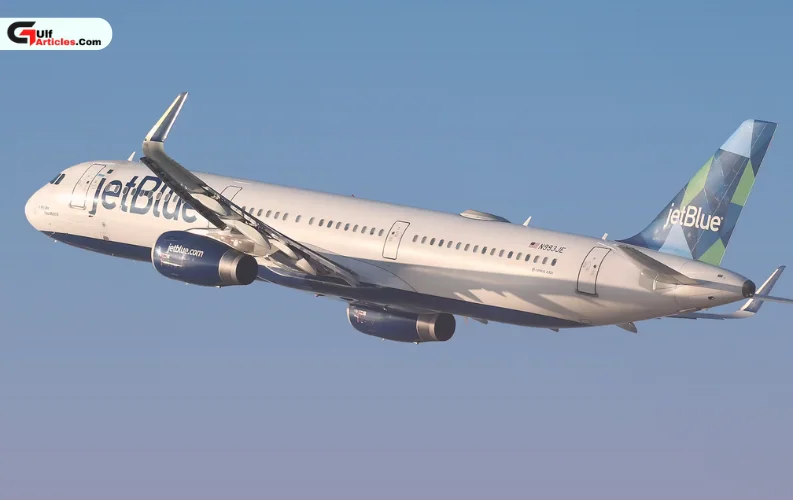
JetBlue has increased its checked baggage fees, citing mounting operating pressure as jet fuel prices continue to climb amid the ongoing Iran conflict. The revised charges took effect this week and mark another sign of how geopolitical tensions are beginning to affect airline travelers directly.
For most domestic economy passengers, the airline now charges $39 for a first checked bag during off-peak travel periods, up from $35. During peak travel seasons, including spring break, major holidays, and summer travel windows, that same bag now costs $49, compared with the earlier $40 fee. The cost of a second checked bag has also gone up, rising to $59 in off-peak periods and $69 during peak demand.
JetBlue said the move is aimed at helping the airline manage rising expenses while keeping base fares relatively competitive. In its statement, the carrier noted that increasing prices for optional services used by select customers was one way to avoid placing the entire burden on ticket prices.
The airline industry has been hit hard by surging jet fuel prices since the Iran war began on February 28, 2026. The conflict has disrupted oil flows and intensified pressure on the Strait of Hormuz, a critical passage for global energy supplies. In addition, airspace restrictions across parts of the Middle East have forced some carriers to operate longer routes, further increasing fuel burn and operating costs.
According to recent reporting, jet fuel prices have jumped sharply since the conflict began, with U.S. jet fuel averaging about $4.62 per gallon, compared with roughly $2.50 before the escalation. Analysts expect more airlines to recover these added costs through ancillary charges such as baggage fees, seat selection, and surcharges.
JetBlue added that some passengers will still qualify for free checked baggage, including select co-branded credit card holders and loyalty members at eligible status levels. Many travelers on transatlantic routes will also continue to receive their first checked bag at no additional cost.
The latest increase may signal a broader trend across the aviation sector as carriers attempt to balance consumer demand with sharply higher fuel expenses. With energy markets remaining volatile, travelers could see further price adjustments across both fares and add-on services in the weeks ahead.