
Washington: US federal prosecutors say they dismantled a China-linked smuggling network that allegedly attempted to export more than $160 million worth of export-controlled Nvidia AI chips to China, highlighting the growing challenge of enforcing technology restrictions amid intensifying US–China competition.
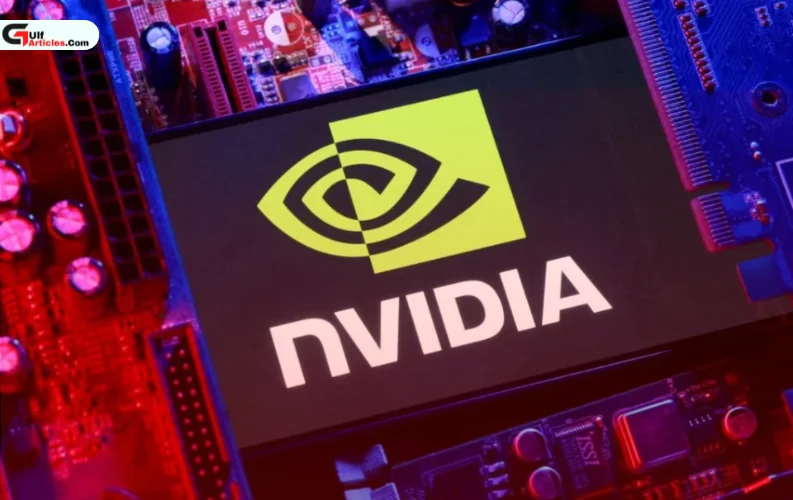
Court documents unsealed on December 8 in Texas detail an investigation known as Operation Gatekeeper, which focused on the illegal export of high-performance Nvidia H100 and H200 graphics processing units (GPUs), chips considered critical to advanced artificial intelligence development and subject to US national security controls.
Prosecutors allege the network sought to ship the chips to China between October 2024 and May 2025, using shell companies, falsified shipping documents, and covert logistics operations across multiple US states.
Inside the alleged smuggling operation
According to court filings, the operation relied on front companies and mislabelled cargo to evade export controls. Investigators say GPUs were falsely described as low-value items such as “adapters” or “controller modules” in shipping paperwork.
A key turning point came when a government undercover agent gained access to a warehouse in Secaucus, New Jersey, where suspects were allegedly relabelling Nvidia chips under the branding of a fictitious company. Authorities say the facility was central to a broader network designed to route restricted technology out of the country.
The investigation culminated on May 28, when federal agents moved in as trucks hired by the alleged conspirators arrived at the warehouse to collect the equipment. Prosecutors say messages exchanged among suspects show panic as police appeared at the scene, with instructions sent to drivers to deny knowledge of the cargo’s destination before a final message ordered the group chat deleted.
Agents subsequently seized the chips, preventing their export.
Demand for AI chips fuels illicit trade
The case underscores the intense demand in China for advanced AI hardware. Despite efforts to develop domestic alternatives, analysts say China remains heavily reliant on Nvidia’s ecosystem.
Ray Wang, an analyst at SemiAnalysis, said a majority of China’s leading AI models still rely on Nvidia hardware, citing the company’s combined advantages in software and system integration.
Federal authorities say similar schemes are increasingly common. The Center for a New American Security estimates that between 10,000 and several hundred thousand AI chips may have been smuggled into China in 2024 alone through indirect channels.
Policy shift complicates prosecution
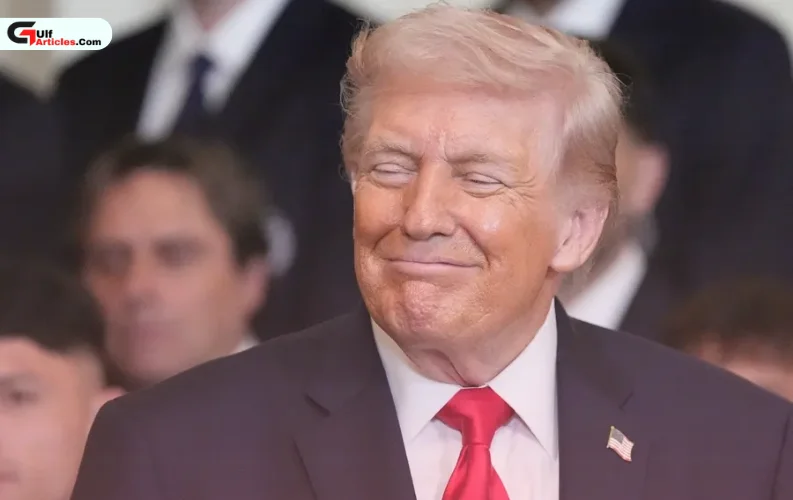
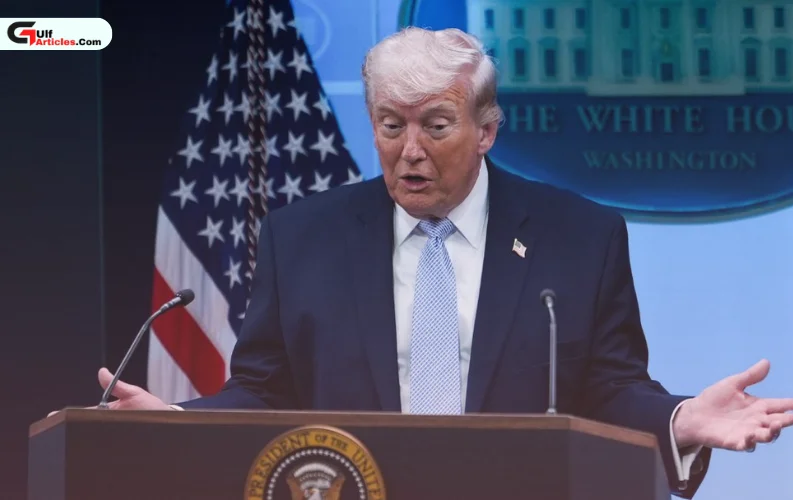
The case took an unexpected turn when, on the same day prosecutors revealed the investigation, US President Donald Trump announced that exports of Nvidia’s H200 GPUs would now be permitted to China under certain conditions, including a requirement that the US receive a share of the proceeds.
Trump said Nvidia’s most advanced chips, such as the Blackwell and Rubin platforms, would remain restricted. However, defence lawyers for those charged quickly seized on the announcement, arguing that it undermines claims that exporting H200 chips poses a national security threat.
In a court filing, defence attorneys said the policy shift contradicts the government’s case that smuggling those specific chips endangered US security interests.
Nvidia and enforcement challenges
Nvidia said it continues to work with US authorities to prevent illegal diversion of its products. A company spokesperson said even secondary-market sales of older chips are subject to rigorous scrutiny, adding that enforcement remains complex given the global scale of AI infrastructure.
Experts say that complexity means smuggling is unlikely to end. Even with selective easing of controls, demand for advanced computing power continues to outstrip legal supply channels.
“I don’t believe the smuggling will just stop,” Wang said, pointing to accelerating global demand for AI compute and continued pressure on restricted supply chains.
Operation Gatekeeper has so far resulted in arrests and guilty pleas, but prosecutors acknowledge that enforcing export controls on fast-moving, high-value technology remains a formidable challenge in an increasingly fragmented global tech landscape.