

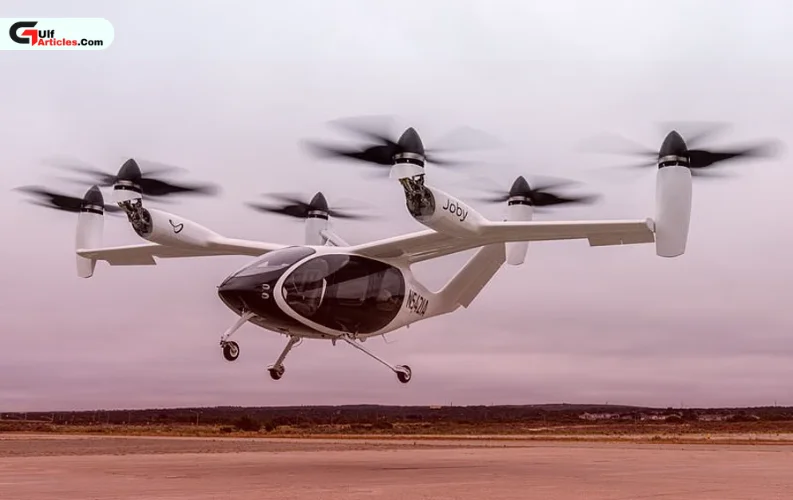
Dubai’s plan to revolutionize urban mobility is moving closer to reality, with the city’s air taxi project now nearly complete and autonomous vehicles expected to begin wider operations soon, according to the Roads and Transport Authority (RTA).
Mattar Al Tayer, Director General and Chairman of the Board of Executive Directors of the RTA, confirmed during the World Government Summit that the air taxi initiative has reached between 70 and 80 per cent completion and is on track for launch by the end of 2026.
“We are officially ready to launch this service by the end of 2026. We have already reached 70 to 80 per cent of this project,” Al Tayer said while speaking at a session titled Shaping the Future of Mobility in Cities.
The air taxi service is being developed in partnership with Joby Aviation, a US-based company that has secured exclusive rights to operate the service in Dubai for six years. The company is currently conducting trial flights as part of the project’s final development phase.
Alongside air taxis, Dubai is also advancing its autonomous vehicle programme. The initial phase will introduce 100 electric driverless vehicles operating in selected zones, with plans to scale up to 1,000 vehicles over time.
“And hopefully by the first quarter, we will have autonomous vehicles operating in more than one area,” Al Tayer added.
Dubai’s rapid progress in smart mobility has been driven by strong infrastructure investment and partnerships with private-sector players. The emirate has collaborated with global companies including Joby Aviation, Baidu, Uber, and Careem to expand its transport ecosystem.
Al Tayer highlighted the success of Hala Taxi, developed in partnership with Careem, which has reduced average passenger waiting times from 25 minutes to just three minutes. He said such partnerships have significantly improved service efficiency across the city.
Addressing the broader challenges of urban growth, Al Tayer noted that more than 55 per cent of the world’s population currently lives in cities, a figure expected to rise to 70 per cent by 2050. Dubai’s daytime population already exceeds six million, increasing pressure on transport networks.
“The secret of Dubai’s success is decision-making, not technology,” he said, stressing that leadership and speed of execution have been key factors behind the emirate’s progress.
Dubai is working to integrate all modes of transport, including metro, taxis, and air taxis, through advanced control centres and Intelligent Transport Systems (ITS). The city has invested Dh1.6 billion in a dedicated transport control centre and approved 500 additional ITS projects, aiming to connect 60 per cent of transport centres and traffic signals within five years.
These systems are expected to improve road safety, reduce congestion, and enable real-time traffic management.
Al Tayer also pointed to Dubai’s appeal as a global destination for residents and investors, noting that more than 170,000 luxury cars are registered in the city. The combined value of premium number plates alone exceeds Dh1.7 billion, reflecting strong investor confidence.
Over the past two decades, Dubai has invested more than Dh175 billion in infrastructure development. As a result, traffic accident rates have fallen sharply, from 22 to 1.8 per 100,000 people.
Describing Dubai’s innovation strategy, Al Tayer said the city operates as a global testing ground for new mobility solutions, moving projects from pilot stages to regulation and full-scale operation only after meeting strict criteria related to safety, readiness, and real-world performance.